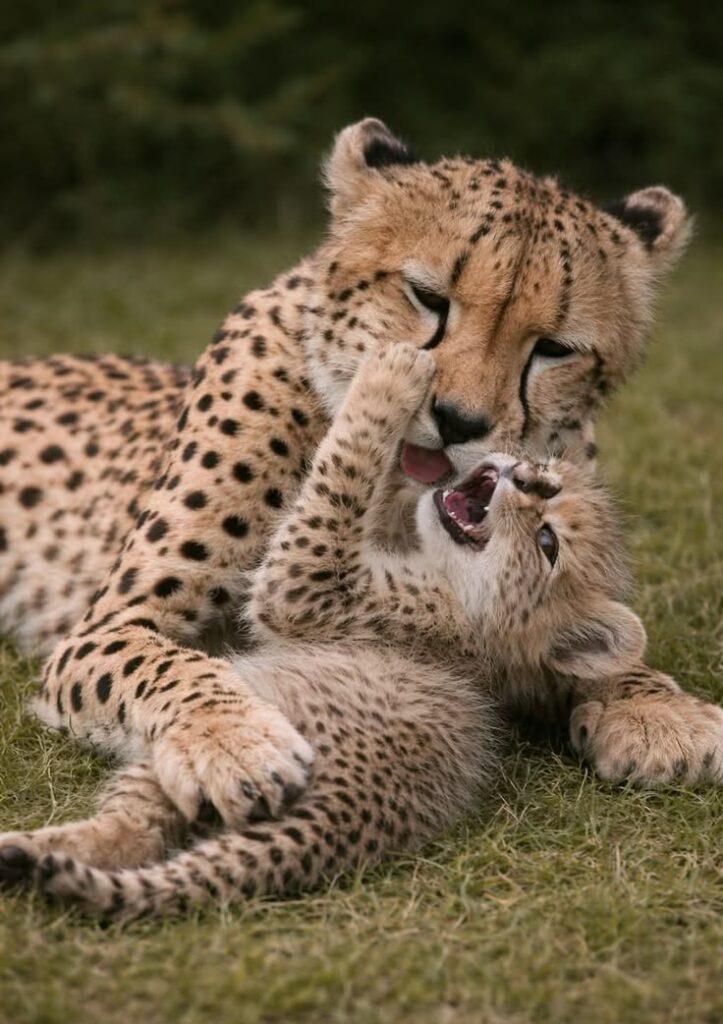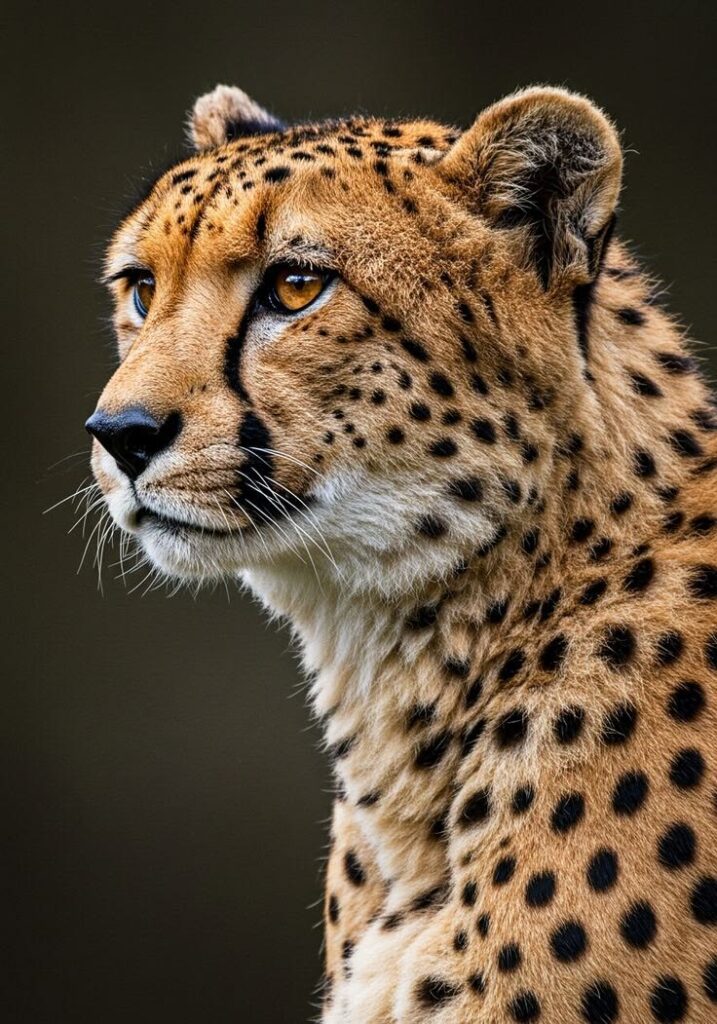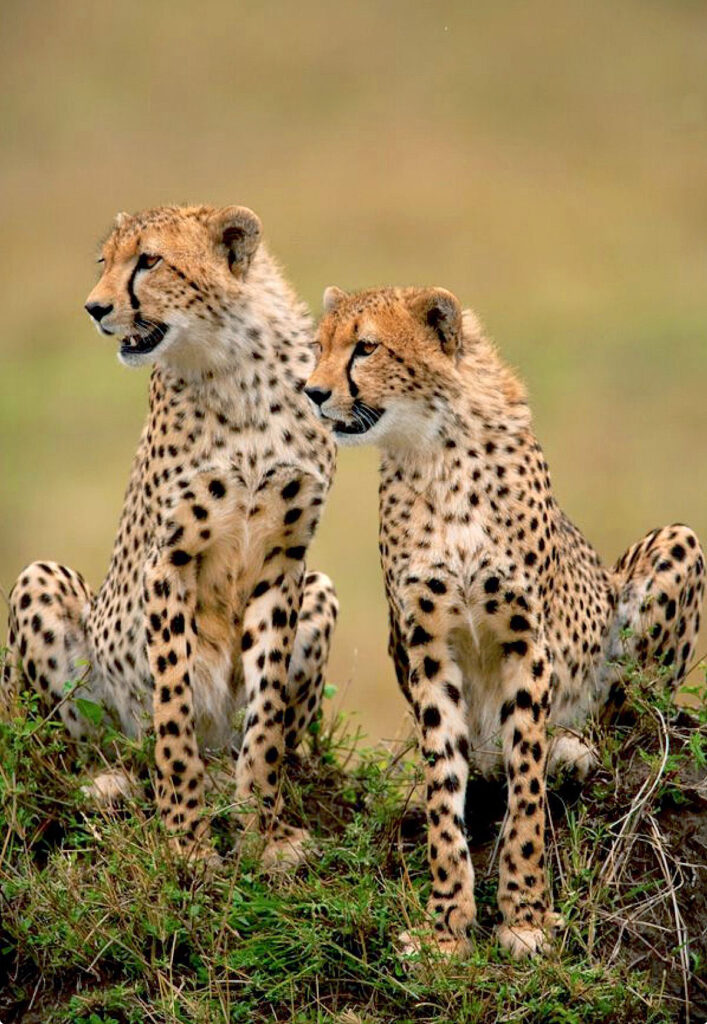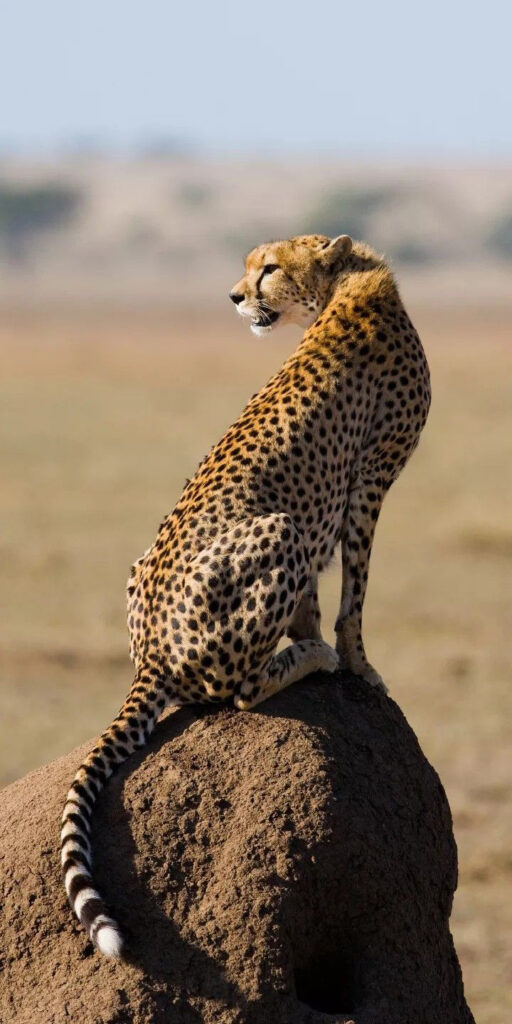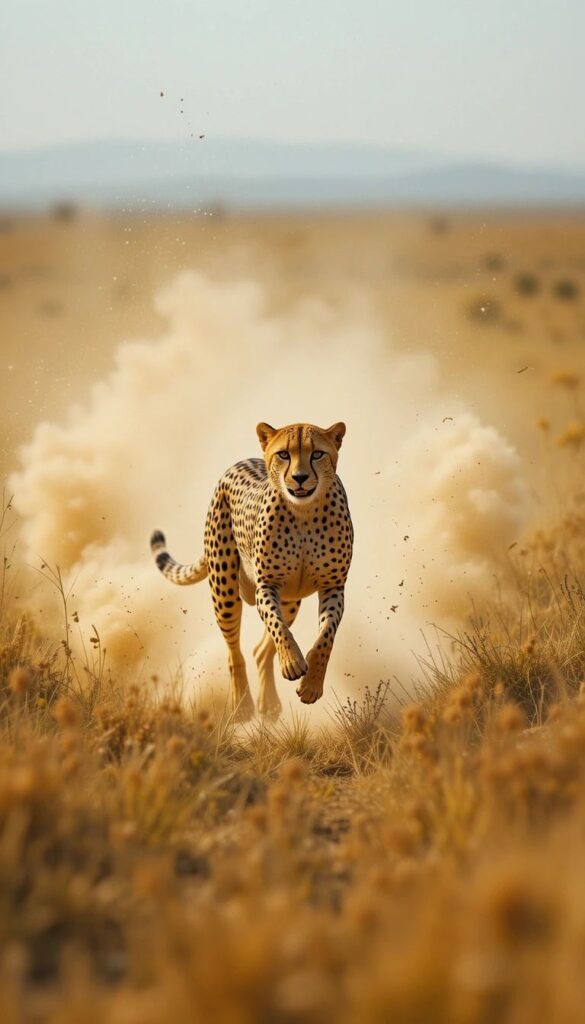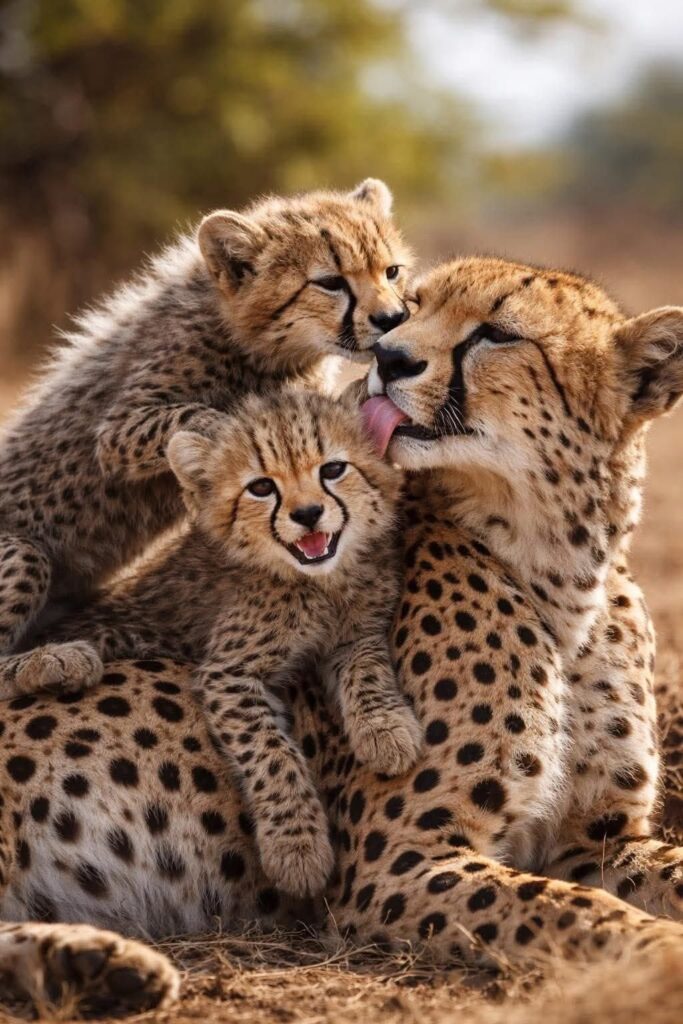
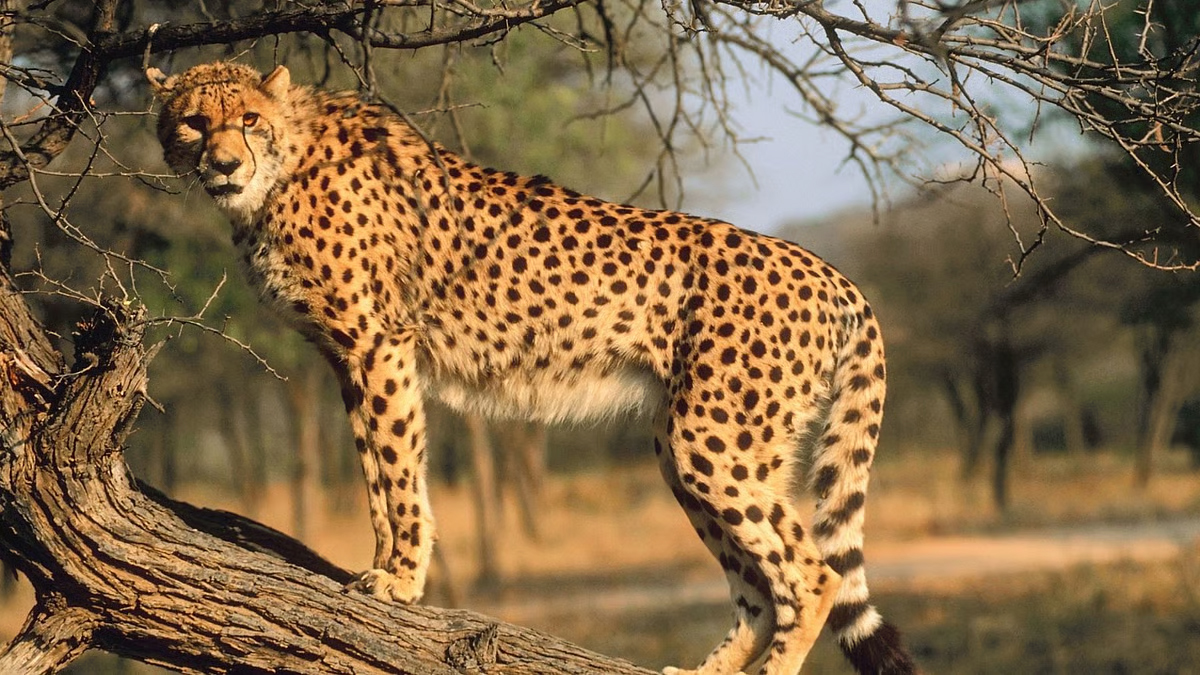
Wildlife experts from countries where the cheetahs have been brought in have also raised their concerns over frequent tranquilisation at MP’s Kuno National Park
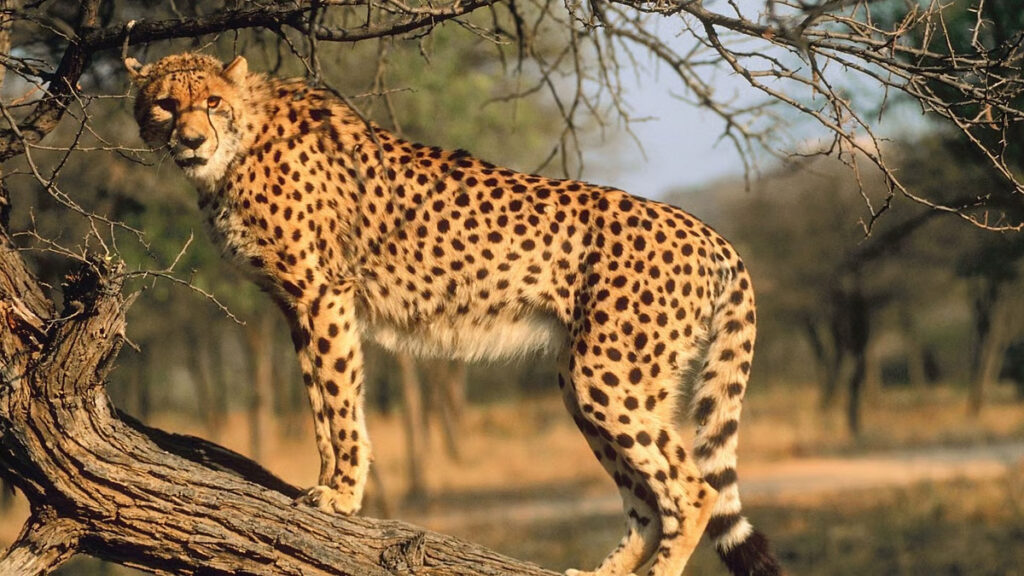
By: Sudhir J Kumar
When India launched Project Cheetah in September 2022, it was hailed as one of the most ambitious wildlife conservation initiatives in the country’s history. The return of the world’s fastest land mammal, declared extinct in India in 1952, symbolized not only ecological restoration but also a bold attempt to reverse a historic conservation loss.
Nearly four years later, the project appears to be flourishing. The cheetah population has grown steadily through successful breeding, new territories are being explored by the animals, and the government frequently highlights the programme as a landmark conservation success. As of 2026, India is home to 57 cheetahs, primarily housed in Madhya Pradesh’s Kuno National Park and the Gandhi Sagar Wildlife Sanctuary.
Yet behind the celebratory headlines, questions are emerging about an aspect of the project that has largely remained outside public scrutiny-the extensive use of tranquilisation on the reintroduced cheetahs.
A 2024 inspection report prepared by Madhya Pradesh’s then Principal Chief Conservator of Forests (PCCF) and Chief Wildlife Warden, V.N. Ambade, has brought renewed attention to the issue. According to the report, cheetahs in Kuno National Park were tranquilised 110 times within just two years of the project’s launch.
The figure has alarmed wildlife experts, conservationists, and animal welfare advocates who fear that repeated chemical immobilisation may have long-term consequences for the health and well-being of the animals.
A Conservation Success Story Under Scrutiny
Project Cheetah began with the arrival of eight cheetahs from Namibia in September 2022, followed by 12 more from South Africa in February 2023 under an agreement between the Government of India and South African authorities.
The initiative was designed to establish a viable population of free-ranging cheetahs in suitable habitats across India. Officials have frequently highlighted successful breeding events and territorial expansion as evidence that the programme is on track.
However, the inspection report reveals a significant management practice that warrants closer examination.
During an inspection, veterinary officials informed Ambade that cheetahs had been chemically immobilised on 110 occasions. While the report does not specify how many individual animals were involved or the reasons for each intervention, the number itself has raised concerns among wildlife specialists.
Chemical immobilisation, commonly referred to as tranquilisation, is routinely used in wildlife management for transportation, medical examinations, treatment, radio-collaring, and emergency interventions. However, experts caution that repeated use can pose serious physiological risks, especially in cheetahs.
Why Tranquilisation Matters
Cheetahs are widely regarded as one of the most sensitive large carnivores when it comes to handling and capture-related stress. Scientific studies conducted over the past decade have documented a range of risks associated with immobilisation, including respiratory complications, elevated blood pressure, hyperthermia, and capture-related stress syndromes.
Unlike some other large predators, cheetahs possess relatively low stress tolerance. This makes veterinary procedures involving sedation particularly delicate and demanding.
The Ministry of Environment, Forest and Climate Change’s annual report on the introduction of cheetahs in India acknowledged this vulnerability. The report noted that 34 chemical captures were conducted during the first year of the programme for veterinary and management purposes. It also emphasized that no capture-related mortality or morbidity had occurred due to careful monitoring and coordination by veterinary teams.
Officials associated with the project maintain that all protocols are being followed.
According to park authorities, immobilisation is often necessary during the initial stages of reintroduction, particularly when animals are transported between enclosures, relocated across landscapes, or brought back after venturing beyond designated conservation areas.
Veterinary teams reportedly conduct health assessments before and after each procedure to minimise risks.
Experts Call for Greater Transparency
While acknowledging that tranquilisation is sometimes unavoidable, conservation experts argue that the frequency of interventions deserves closer examination.
Veteran conservationist M.K. Ranjitsinh, widely regarded as the architect of Project Cheetah and a key figure behind India’s Wildlife Protection Act of 1972, has called for greater transparency regarding the use of chemical immobilisation.
According to Ranjitsinh, authorities should disclose why each tranquilisation was carried out and identify how many times individual animals have undergone the procedure. Such information would allow independent experts to assess whether interventions are justified and whether certain animals are being subjected to repeated handling.
His concerns point to a broader management challenge facing the project.
Several cheetahs have moved beyond Kuno National Park’s boundaries into surrounding landscapes. In some instances, animals have crossed into neighbouring districts and even entered Rajasthan. Bringing these animals back often requires capture and sedation.
Critics argue that repeated retrieval operations may indicate a need to expand suitable habitats rather than repeatedly relocate animals.
“The long-term solution lies in creating larger landscapes and ensuring an adequate prey base,” conservationists argue. If cheetahs have access to sufficient territory and resources, the need for repeated capture and transport could be significantly reduced.
Welfare Concerns and Public Debate
The issue has also generated discussion among international wildlife enthusiasts and conservation groups, particularly in countries that supplied the cheetahs to India.
Social media platforms and conservation forums have featured growing criticism of what some observers perceive as excessive human intervention in the animals’ lives. Online groups dedicated to cheetah conservation have questioned whether frequent tranquillisation aligns with best practices for maintaining healthy, self-sustaining populations.
Animal welfare advocates warn that repeated chemical immobilisation could have cumulative effects that may not become immediately visible. Although no direct evidence currently links India’s tranquilisation practices to major health problems among the cheetahs, experts emphasize the importance of long-term monitoring.
Wildlife activist Ajay Dubey has described the situation as troubling, arguing that repeated exposure to sedatives could potentially affect the animals’ overall health and natural behaviour patterns.
These concerns have also inspired petitions and public campaigns calling for greater oversight of the programme and stricter welfare safeguards.
Balancing Conservation and Management
Despite the debate, few conservationists oppose the reintroduction of cheetahs itself. Most experts agree that restoring the species to India remains a worthwhile ecological objective.
The challenge lies in balancing
conservation goals with animal
welfare considerations.
Project Cheetah represents an unprecedented experiment in large carnivore reintroduction. The programme is being closely watched by wildlife managers around the world because its success or failure could shape future species restoration efforts globally.
As the cheetah population grows and disperses across larger areas, management strategies will need to evolve. Expanding habitats, improving connectivity between protected areas, and reducing the need for human intervention may become increasingly important.
The reported 110 tranquilisations highlight the complexities of managing a newly established predator population in a densely populated country. While the numbers alone do not prove wrongdoing, they raise legitimate questions about the long-term sustainability of current practices.
For now, Project Cheetah remains both a conservation triumph and a work in progress. The coming years will determine whether India’s celebrated species revival can also become a model for wildlife management that places equal emphasis on ecological success and animal welfare. The return of the cheetah to India is undoubtedly historic. Ensuring that these animals thrive with minimal human intervention may prove to be the next and perhaps most important chapter of the story.