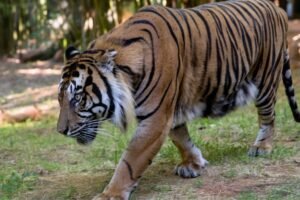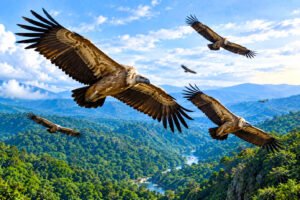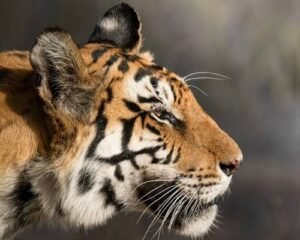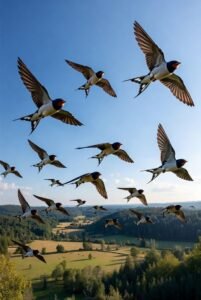
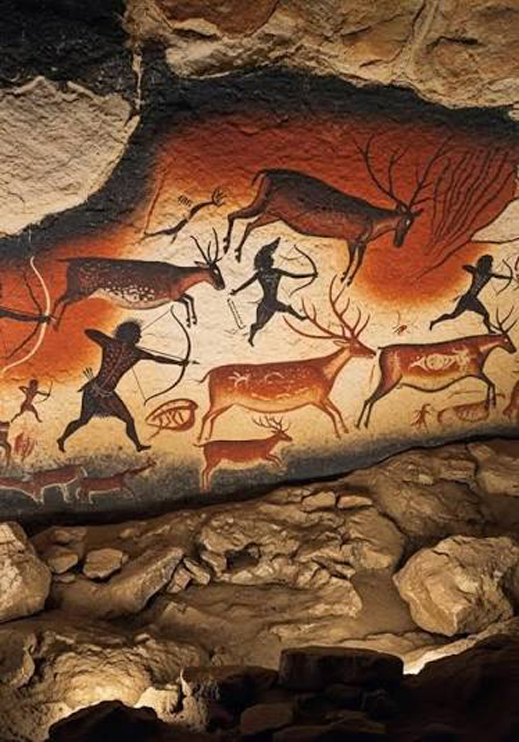
“Long before history was written on paper or even on the palm leaves or carved upon stone, it was painted on the walls of caves in ochre and charcoal. These earliest historians were not trained by any art school, nor were they masters of documenting history, but they have created asterpieces on the cave walls that still amazes the historians and artists from all over the world. The anonyms artists did not represent any class, caste or gender but they are undoubtedly ancestors of all the artists and historians. Their cave paintings show how these artists were inspired by the strength of animals, movements of the animals and the flight of animals. With time it evolved in many ways and took different forms, but the depiction of animals remains integral to art forms that evolved with different tribal communities in India.”
Dr Harshvardhan Kumar
Tribal Art
Tribal art forms are one of the richest sources of history. Indian tribal art traditions are one of the richest in the world. Often celebrated for their vibrant colors, intricate patterns and striking visual languages, these art- traditions seem to be bridges between past and present.
Many of us may find it difficult to see the connection of our lineage to tribes of the country and anthropologists may still be divided towards the same but in last few decades tribal art has entered the modern homes across the country as the love of art is no more limited to the rich people. From paintings to metal art, tribal art is getting its due share of love and respect. Though some people may still view these paintings merely as decorative expressions due to various reasons. One among such reasons is lack of orientation and sensitization towards these art forms. But this way we are carrying forward the historical mistake of overlooking their profound historical and philosophical significance.
The tribal art forms are repositories of ecological wisdom, oral history, cosmological belief, and collective memory. Within this visual universe, animals occupy a place of extraordinary importance-not as ornaments but as co-inhabitants of existence, ancestors of clans, protectors of villages, divine emissaries, and fellow participants in the eternal rhythm of life.
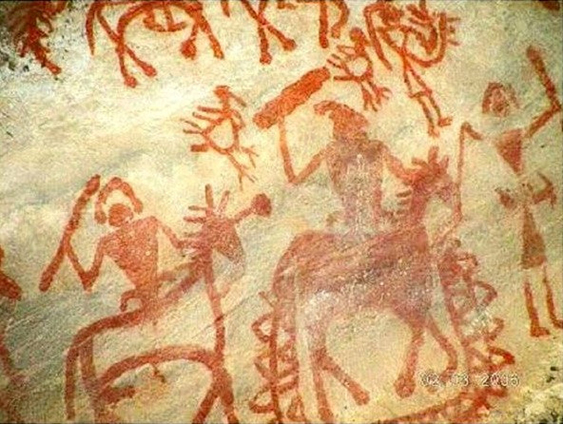
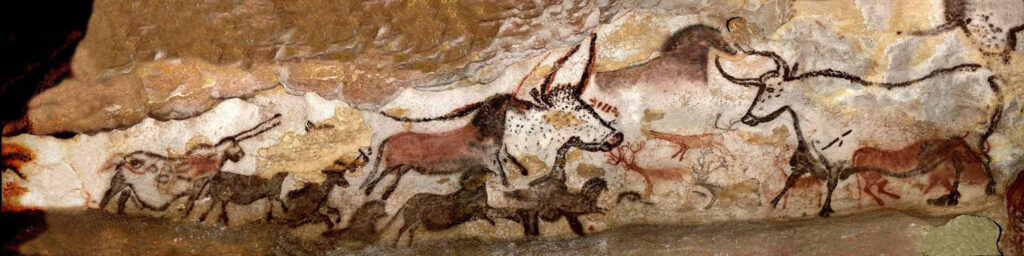
From the dense forests of Central India to the undulating hills of Odisha, the plains of Maharashtra, and the tribal heartlands of Gujarat, Jharkhand, Chhattisgarh, and Madhya Pradesh, generations of artists have sustained a visual tradition in which the natural world is rendered with remarkable continuity. Across these diverse landscapes, animals emerge not as decorative motifs but as enduring protagonists in a shared cultural imagination. Their presence reflects a worldview that stands in marked contrast to the anthropocentric ideals that came to characterize much of later classical art. In these traditions, the tiger is revered as the vigilant guardian of the forest, the deer embodies gentleness and quiet grace, birds traverse the realms of earth and sky as bearers of messages and memory, while serpents evoke fertility, regeneration, and the unseen forces that dwell beneath the living earth. Together, these images reveal a philosophy of coexistence, where humans are not masters of nature but participants in their sacred and interconnected order.
Far from being products of human imagination alone, the depiction of wild in the tribal art-traditions preserves an intimate dialogue between humans and nature-one forged through centuries of coexistence.
From Cave Walls to Living Traditions
The story of animals in Indian tribal art begins not in galleries but in caves.The prehistoric paintings of the Bhimbetka Rock Shelters reveal herds of bison, deer, wild boar, elephants, rhinoceroses, and hunting scenes rendered with astonishing vitality. Created thousands of years before the emergence of organized kingdoms, these paintings testify that the earliest artistic impulse of the Indian subcontinent was deeply intertwined with wildlife. Animals dominated the visual landscape because they dominated human imagination, survival, and spirituality.
What is remarkable is not merely the antiquity of these images but their continuity. Unlike many ancient civilizations whose artistic traditions disappeared with political decline, India’s tribal communities sustained and transformed these visual vocabularies through uninterrupted oral traditions. The animal motifs of Gond, Bhil, Warli, Sohrai, Pithora, and Saura paintings therefore represent not isolated folk practices but living echoes of one of humanity’s oldest artistic inheritances.
Their paintings remind us that civilization did not replace the forest; rather, the forest continued to nurture civilizations beyond the margins of written history.
To see the colors, textures and beauty of the pre-historic cave paintings in different states of India is an amazing feeling that fills us with sense of pride for what our ancestors did. It is purely unmatched and how nature has preserved the gift of our ancestors for is far more fascinating. But what nature did for us was to keep the art safe for the world to see but what our traditional tribal artists did was to preserve the art and culture, help its evolution and pass on to the next generation. What Marc Chagall once said stands true to this- “Great art picks up where nature ends.” And the tribal art is the best example of that.
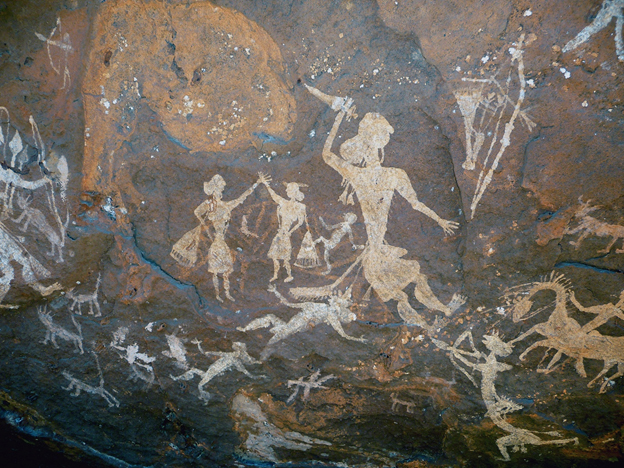
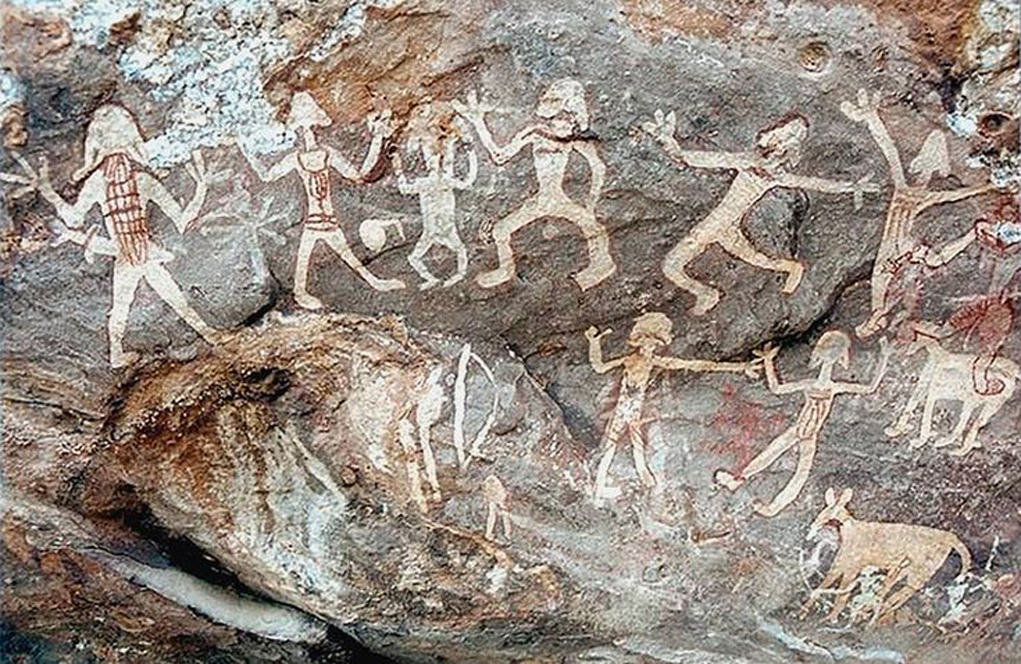
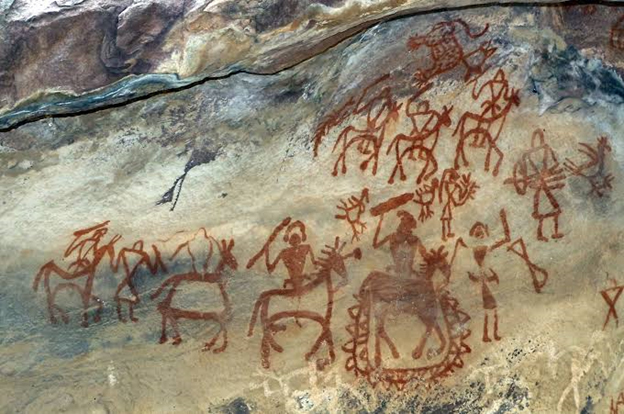
The tribal art from cave evolved with time and so did the depiction of animals. The animals in the cave paintings were mostly in the wild, but the present-day tribal paintings present animals as our fellow passengers in the journey of time. We no more need to kill animals for our survival. Animals share life with us within the four walls of our houses now. The modern-day tribal art reflects the same love and affection for animals.
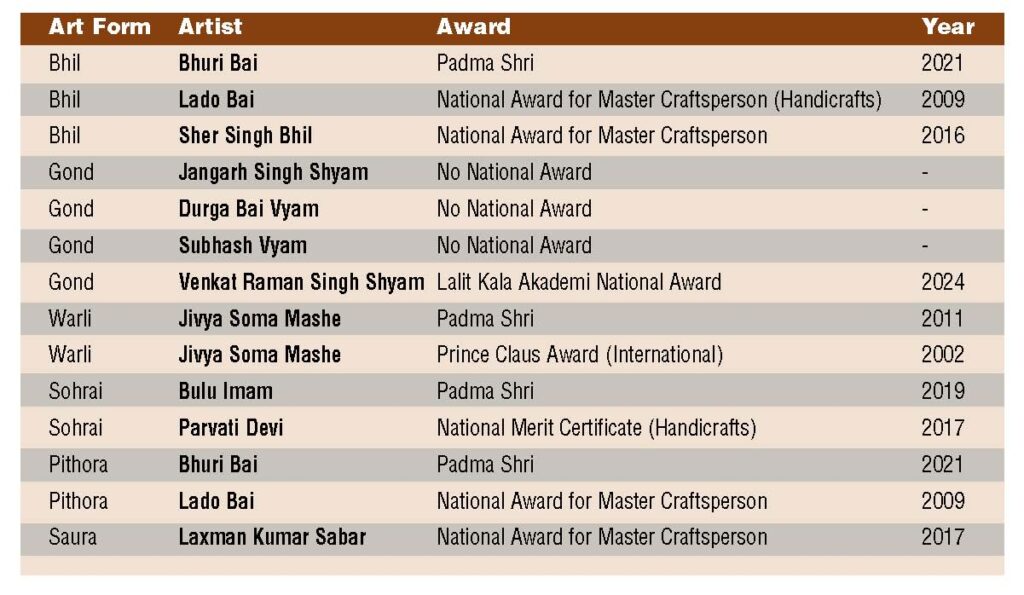
In recent times many such artists received acknowledgements and reputed awards for their service to art and mankind. Here is some interesting information.
Nationally Recognized Artists from Major Tribal Art Traditions of India
Note: Some pioneering artists have not received national awards; this table reflects verified national level recognition. Bringing every art form or its most reputed artists in one place is not only a Herculean task but also a little unjust. So here, we are presenting the one form of art and some of its most loved artists.