How Maharaja Bhavsinhji of Bhavnagar Helped Save the Asiatic Lion from Extinction
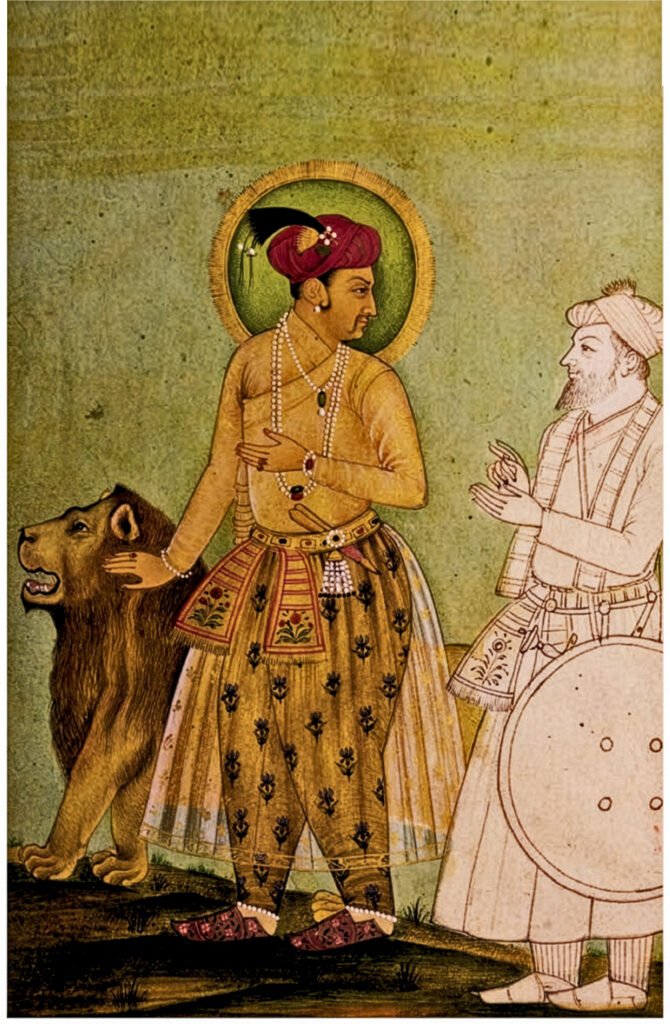
On a cool evening in the early years of the twentieth century, the chandeliers of Bhavnagar Palace shimmered over a royal banquet. Princes and rulers from neighbouring kingdoms had gathered to enjoy the hospitality of Maharaja Bhavsinhji, one of western India’s most respected rulers. The mood was cheerful, filled with stories of forests, horses, and hunting expeditions—an essential part of royal life during that era.
The following morning, the guests were to ride into the forests surrounding Bhavnagar for a grand hunt. Such expeditions were symbols of prestige and courage, and it was common for rulers to exchange invitations to hunt in one another’s territories.
As dinner drew to a close, one visiting prince made an unusual request.
“Your Highness,” he said politely, “may I have the honour of hunting one of your lions? In return, when you visit my kingdom, you may hunt ten tigers in my forests.”
The hall fell silent.
Without hesitation, Maharaja Bhavsinhji shook his head.
“Not for a hundred tigers,” he replied firmly, “would I permit the killing of a single lion in my forests.”
The prince accepted the answer with respect. Yet his younger brother, surprised by the response, quietly asked why one lion could possibly be worth more than a hundred tigers.
The answer lay not in royal pride but in a conservation crisis that very few people of the time fully understood.
A Species on the Edge
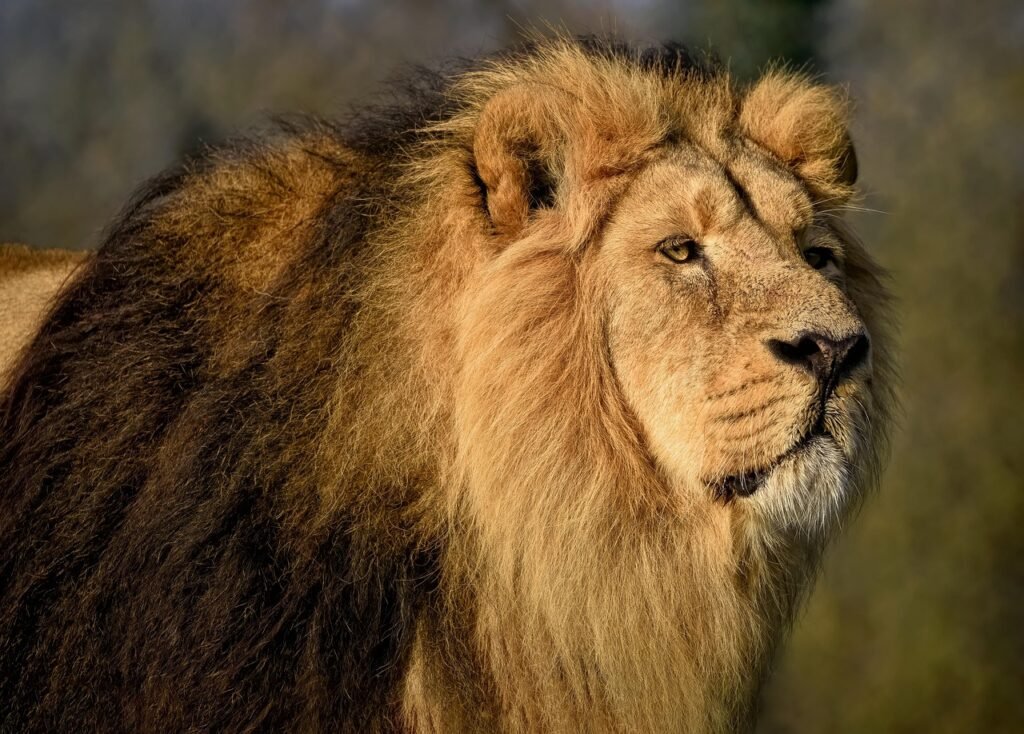
At the dawn of the twentieth century, the Asiatic lion (Panthera leo persica) stood on the brink of extinction.
Unlike its African cousin, which still roamed vast savannahs, the Asiatic lion had once occupied an enormous range stretching from Greece and Turkey through Persia, Mesopotamia, and Arabia to northern and western India. For centuries, it was celebrated in mythology, art, and royal emblems as a symbol of courage and power.
But history was not kind to the species.
The spread of agriculture, expanding settlements, loss of forests, and relentless hunting by rulers and colonial sportsmen steadily reduced lion populations across Asia. Firearms made hunting easier than ever before, while shrinking habitats left lions increasingly vulnerable.
By the late nineteenth century, lions had vanished from almost every country where they once lived. Iran, Iraq, Syria, Pakistan, and much of northern India had already lost their lions forever.
Only a handful remained in the dry deciduous forests and scrublands of the Kathiawar Peninsula in present-day Gujarat.
Many historians believe that fewer than two dozen Asiatic lions survived in the wild.
Every remaining animal mattered.
A Different Kind of King
Unlike many rulers of his time, Maharaja Bhavsinhji viewed wildlife not merely as trophies but as a responsibility.
As reports reached him of forests disappearing in neighbouring regions and lions wandering into Bhavnagar in search of safer habitats, he realised that something extraordinary was unfolding before his eyes. These were not simply animals crossing territorial boundaries—they were among the last survivors of an ancient species.
Instead of organising larger hunts, he chose a remarkably different course.
He instructed his forest officials and experienced trackers to monitor every movement of the lions entering his territory.
The order was clear.
No one was to harm them.
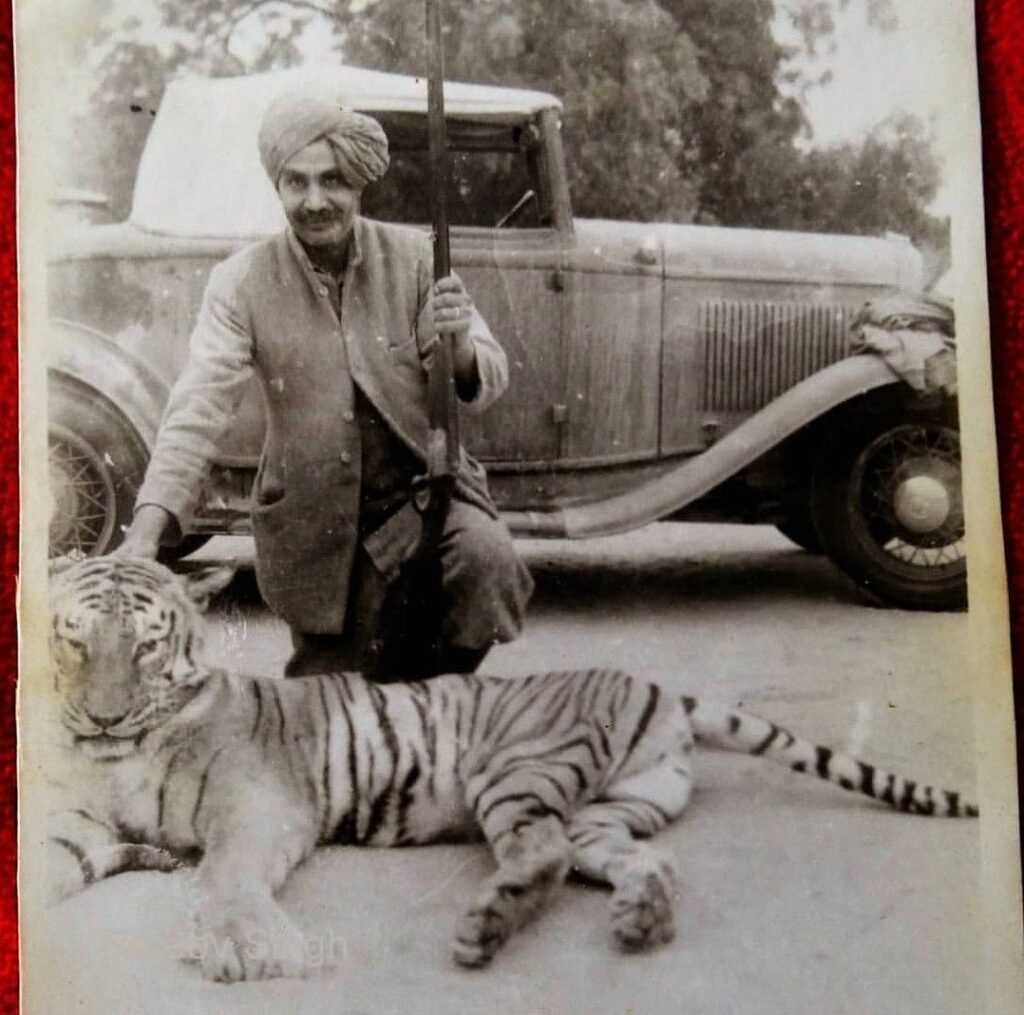
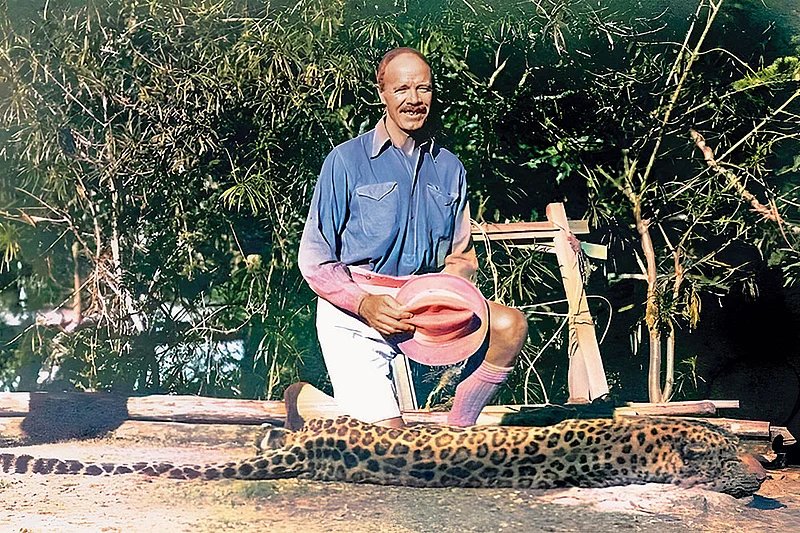
This decision was remarkable for its time. Wildlife conservation, as we understand it today, barely existed. Across much of the British Empire, hunting dangerous game was considered both fashionable and heroic. Mounted photographs of hunters standing beside slain lions, tigers, and leopards decorated palaces and government buildings alike.
Against this backdrop, Bhavsinhji’s refusal to allow lion hunting represented an extraordinary act of foresight.
The Forest Guardians
Protecting lions required far more than issuing royal orders.
Bhavnagar’s forests stretched across rugged landscapes of thorny acacia, rocky hills, and seasonal rivers. Monitoring wildlife in such terrain depended on men whose knowledge had been passed down through generations.
Among the Maharaja’s most trusted allies were the pug trackers, experts capable of identifying animals simply by studying footprints impressed in the soil. Long before modern camera traps or satellite collars, these trackers could estimate an animal’s size, direction, and even how recently it had passed.
Each morning they reported directly to the Maharaja, describing where lions had travelled during the night and whether leopards, blackbuck, wild boar, or other animals had been sighted.
These reports served an important purpose.
While hunting parties continued to visit Bhavnagar, the Maharaja imposed strict limits on what could—and could not—be hunted. Leopards, wild boar, or deer might occasionally be permitted under carefully controlled conditions, but lions remained completely protected.
Some visiting princes considered these restrictions excessive.
Bhavsinhji considered them essential.
He understood something that many of his contemporaries did not: when only a few individuals remain, the death of even a single animal can push an entire species closer to extinction.
In choosing restraint over spectacle, the Maharaja quietly challenged the hunting culture of his age