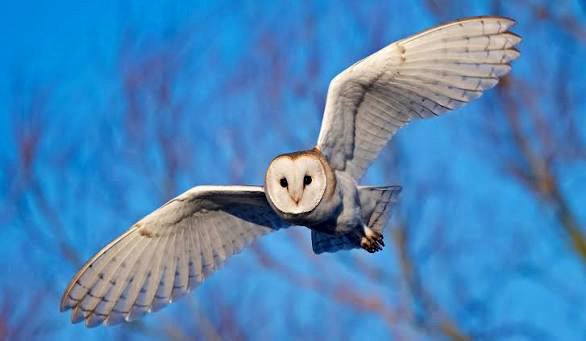
In a first for Purbeck, England, 15 barn owl chicks and one adult have been ringed to track their movements and assess the impact of wildlife-friendly farming. The long-term initiative aims to support barn owl recovery through scientific monitoring and habitat conservation.
By Sudhir J. kumar
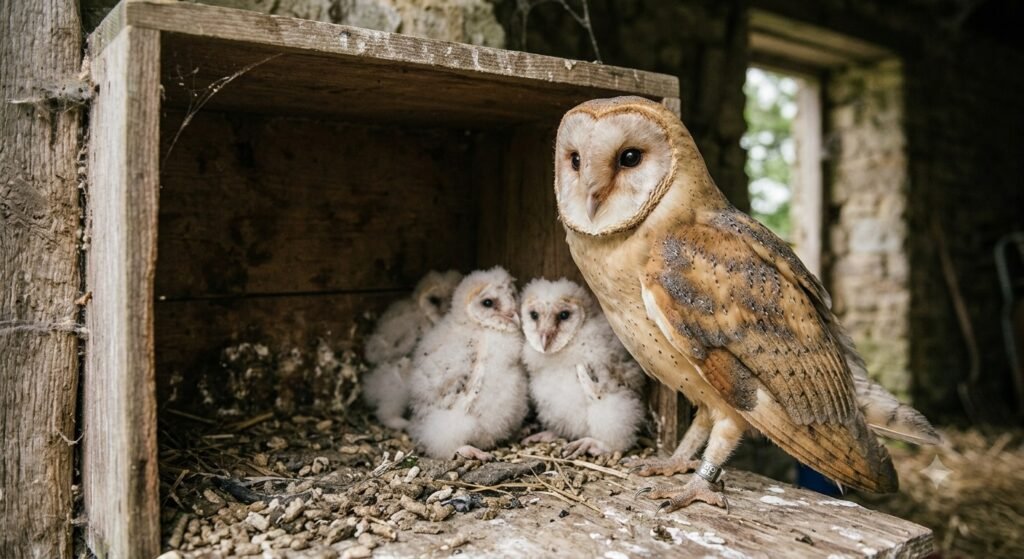
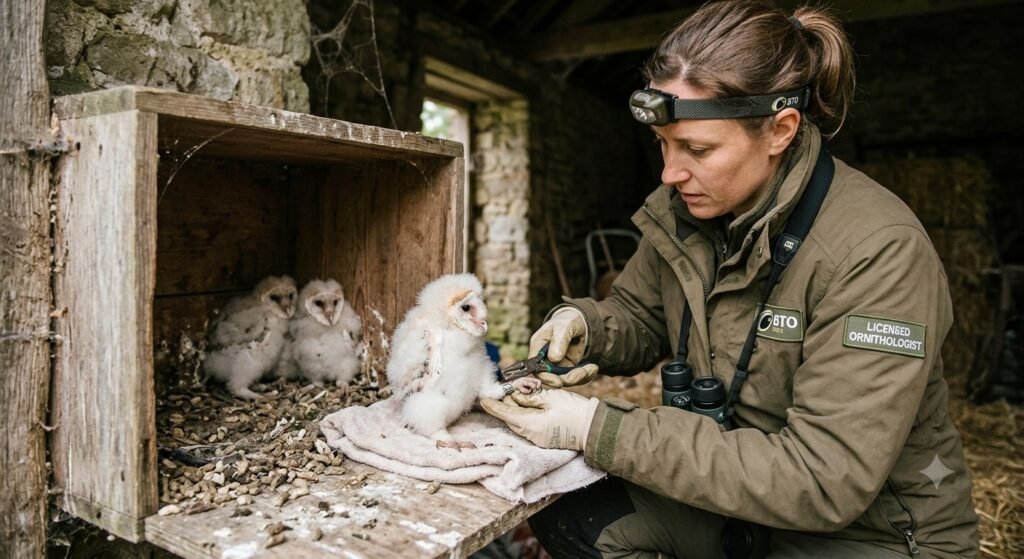
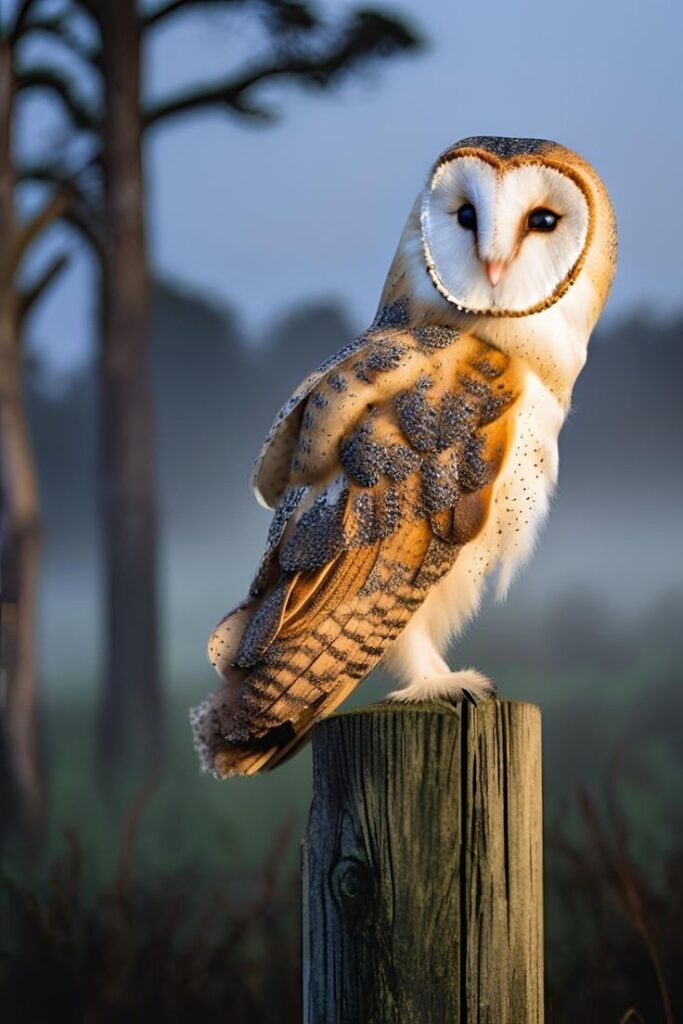
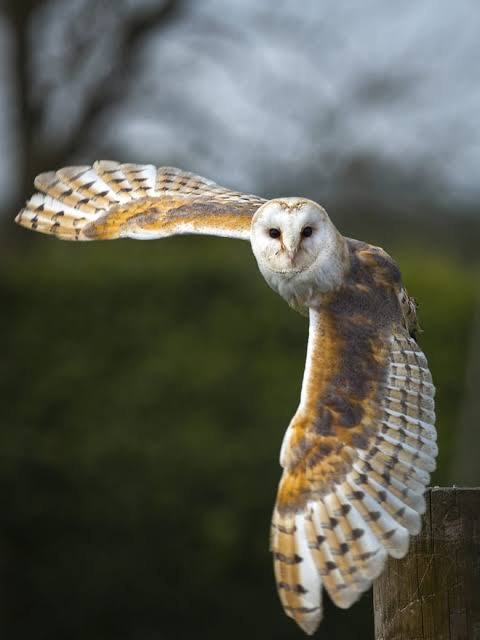
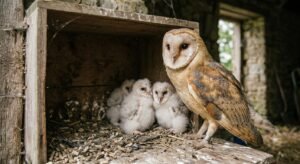
Purbeck, England: Fifteen barn owl chicks and one adult have been ringed at nest sites across three farmland locations in Purbeck for the first time, in a project designed to track the birds’ movements and assess the effectiveness of wildlife-friendly farming practices.
The initiative is a partnership between Birds of Poole Harbour, Carey Ringing Station and the National Trust. The project aims to gather scientific data on barn owls while evaluating how conservation-focused land management can support their populations.
Mark Singleton, Purbeck countryside manager for the National Trust, described the initiative as an exciting first for the area. He noted that although barn owl numbers have declined significantly over the past century, there are encouraging signs of a possible local recovery.
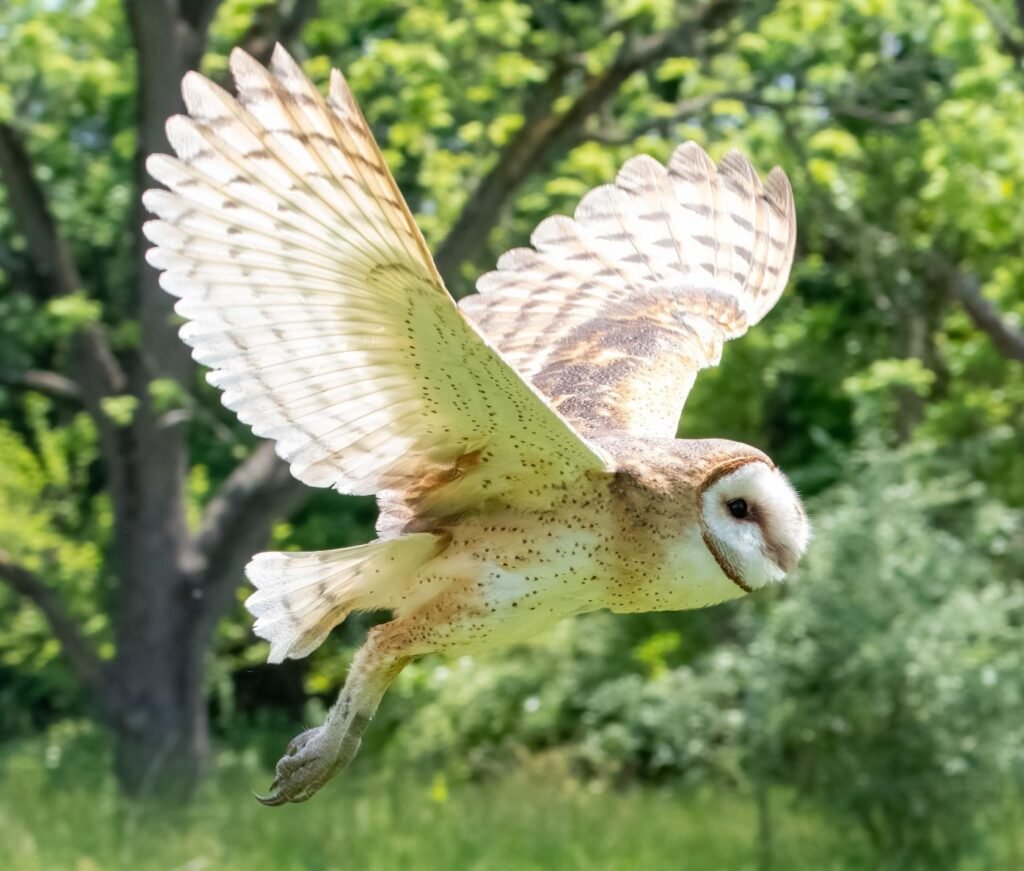
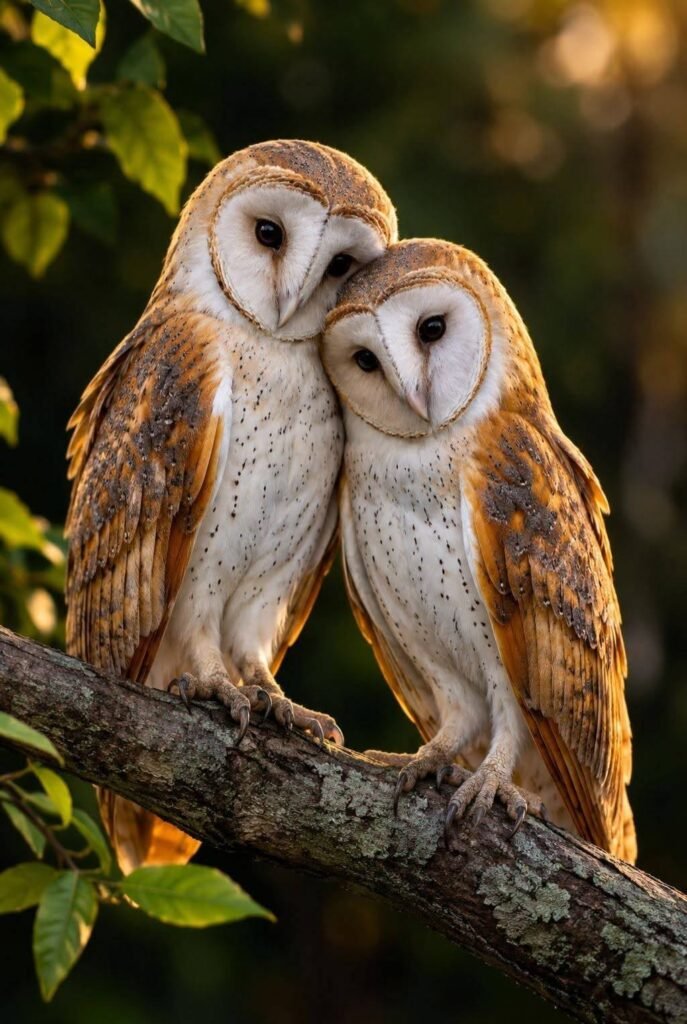
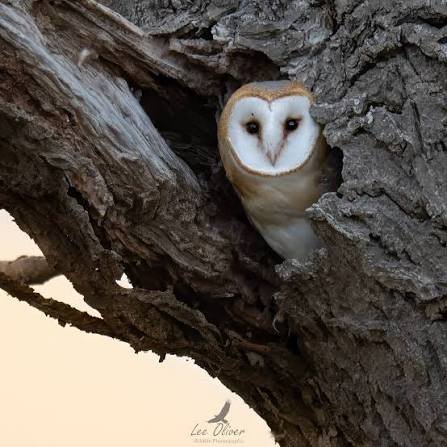
The project is planned to continue annually, with further expansion expected through the installation of additional nest boxes next year.
National Trust tenant farmers in Purbeck are managing their land to create and maintain habitats that benefit wildlife. These measures include allowing areas of longer grass to grow, maintaining hedgerows and preserving patches of scrub. Such habitats provide suitable conditions for voles and other small mammals, which form a major part of the barn owl’s diet.
By monitoring ringed birds over several years, conservationists hope to understand their movements and determine whether these land management measures are helping barn owls. The findings could also inform future conservation efforts across the area.
Kate Fox, a licensed bird ringer and ornithologist at Carey Ringing Station, explained that ringing provides valuable scientific information that cannot be obtained through observation alone. As individual barn owls are difficult to distinguish visually, ringing helps researchers identify birds that move between nest boxes and establish whether they have been recorded previously.
The ringing was conducted under a special licence and in accordance with strict guidance from the British Trust for Ornithology (BTO).
Barn owls are listed under Schedule 1 of the Wildlife and Countryside Act 1981 in the UK. It is an offence to intentionally or recklessly disturb them while they are at or near an active nest during the breeding season without the appropriate licence. The Purbeck project represents a long-term approach to understanding barn owl movements while assessing how carefully managed farmland can contribute to wildlife conservation.