The Kargil War Memorial in Dras, Ladakh, stands as a tribute to the courage and sacrifice of Indian soldiers who laid down their lives during the 1999 Kargil War. Set against the rugged Himalayan peaks, the memorial honours the heroes of Operation Vijay and preserves their legacy for future generations.
Texts by Sudhir J. Kumar and Photos By Dinesh Saini
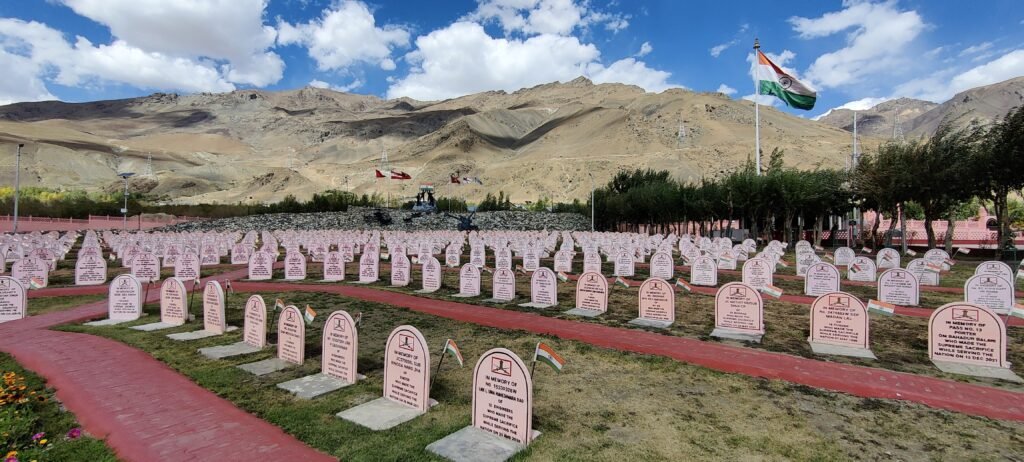
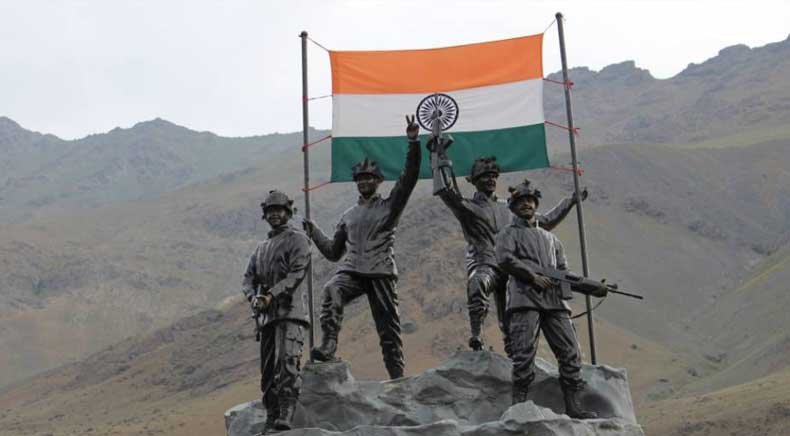
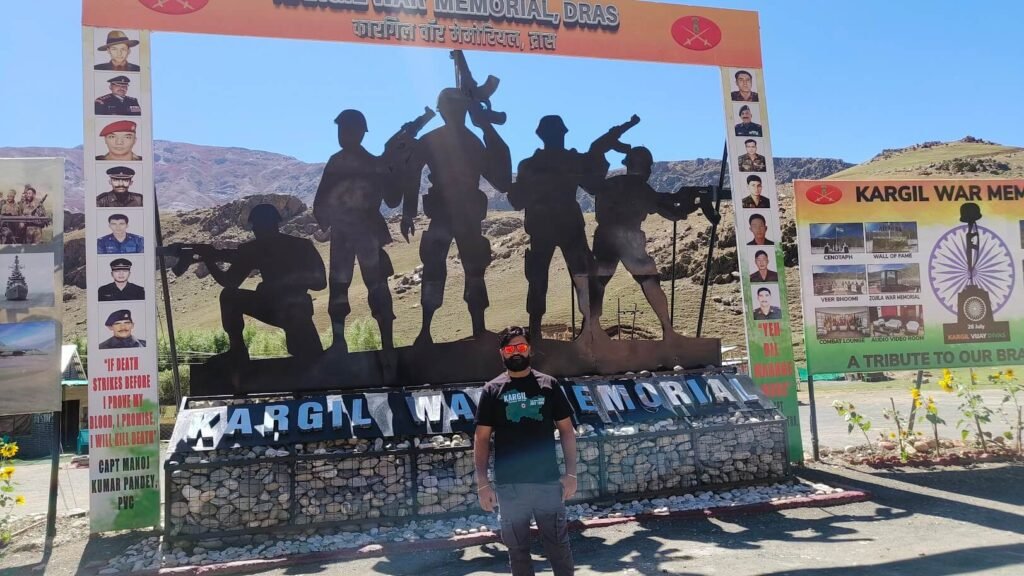
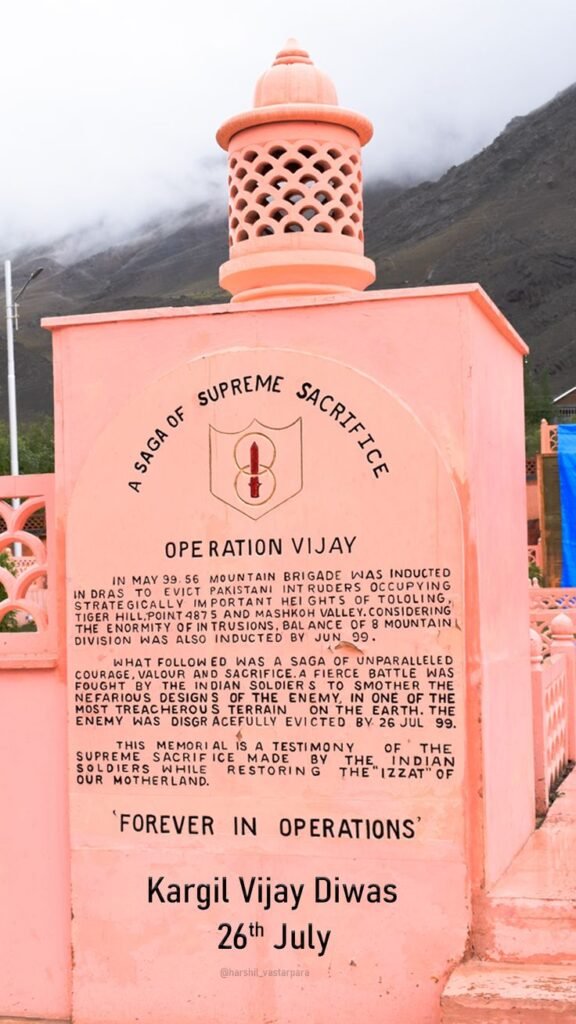
Nestled in the stark, unforgiving landscape of Western Ladakh, where the Himalayas pierce the sky, lies a sanctuary of collective memory: the Kargil War Memorial. Situated in the town of Dras, this sacred site stands as an indelible testament to Operation Vijay, the grueling 1999 military campaign that saw Indian armed forces reclaim strategic mountain peaks from infiltrators. Far from the bustling cities of the plains, this memorial is not merely a structure of stone and mortar; it is a profound pilgrimage site where the echoes of sacrifice resonate through the thin mountain air. It does not exist to exalt a select few, but to honor the collective resolve of the many who stood steadfast in the face of insurmountable odds.
To truly comprehend the magnitude of the sacrifices made here, one must first bear witness to the hostile terrain. Dras is widely recognized as the second-coldest continuously inhabited place on Earth. The memorial rests along the Srinagar-Leh National Highway 1D, directly beneath the towering peaks where the conflict unfolded. The geography is as unforgiving as it is majestic. Jagged, barren mountains rise to heights between 14,000 and 18,000 feet, their sheer rock faces offering no shelter or respite. Standing on the manicured grounds of the memorial, visitors can look upward to view the actual battlegrounds: Tololing Heights, Tiger Hill, and Point 4875.
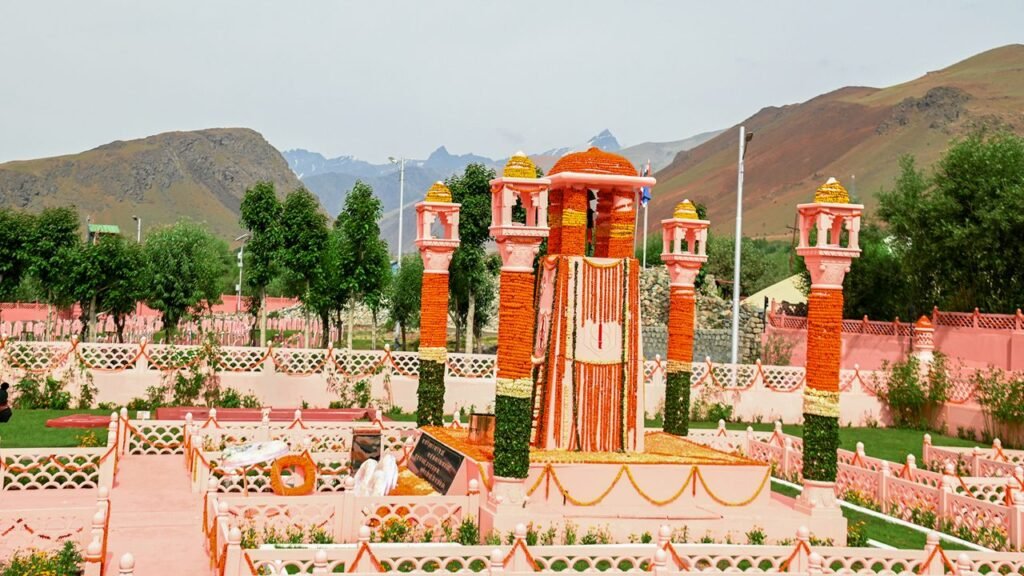
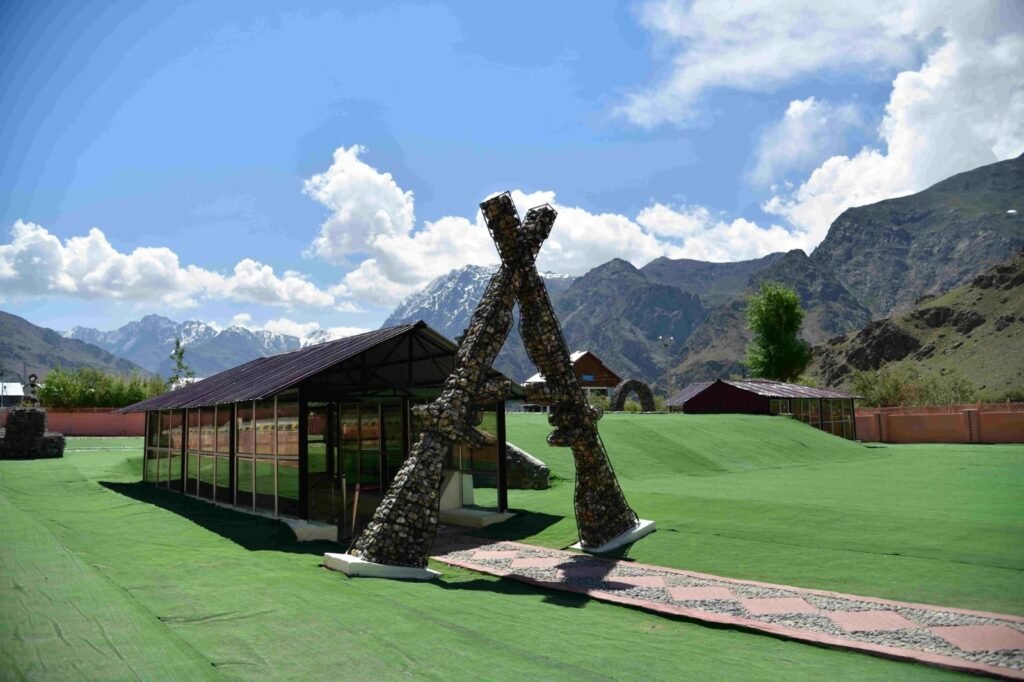
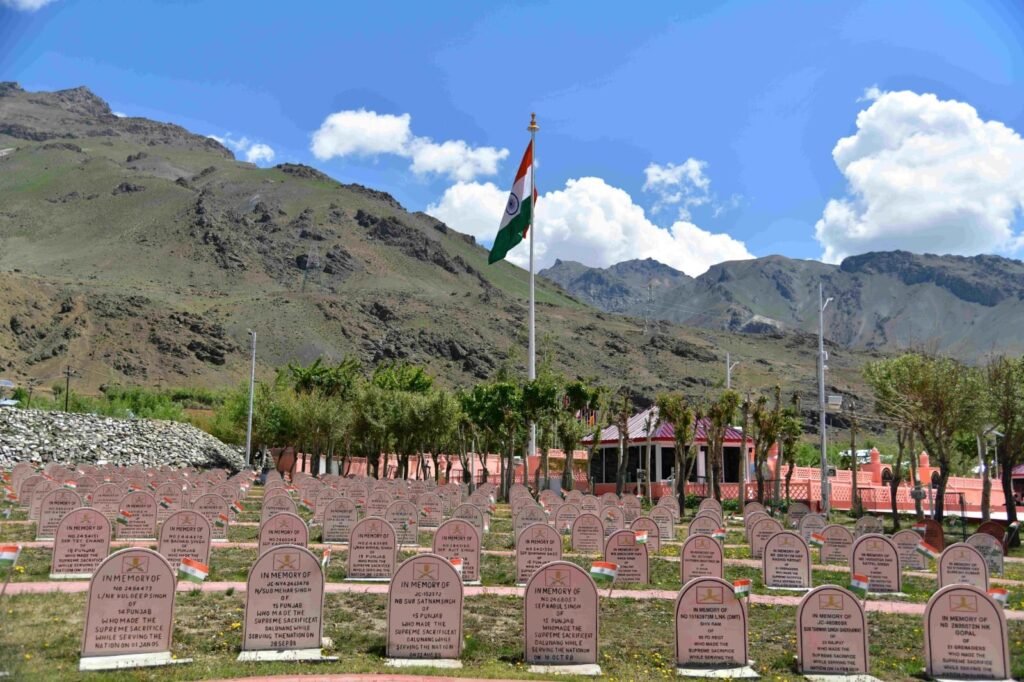
During the summer of 1999, soldiers were tasked with scaling these near-vertical cliffs under heavy, direct machine-gun fire from heavily entrenched enemy positions above. They fought in oxygen-deprived air, carrying immense combat loads of over 30 kilograms, in temperatures that could plunge rapidly into freezing extremes even during the summer months. The terrain itself was an adversary, demanding a toll before a single shot was fired. Placing a memorial at the very foot of these battlefields grounds the visitor in a visceral reality, bridging the gap between civilian life and the raw, elemental struggle of high-altitude warfare.
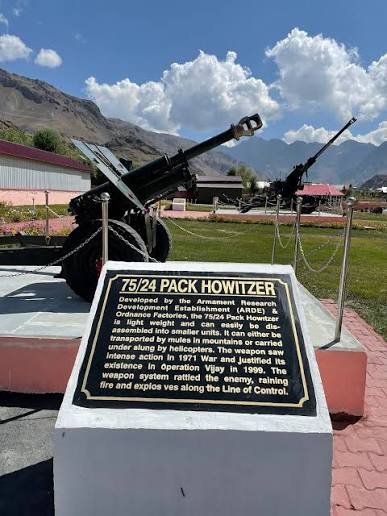
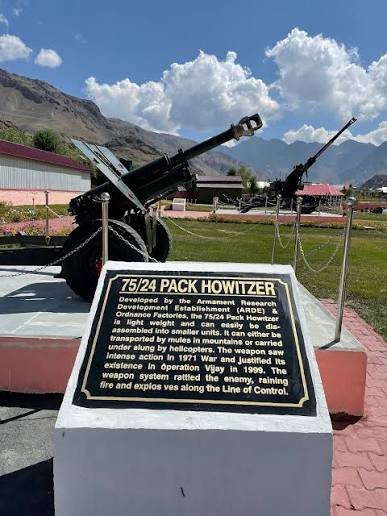
The physical layout of the Kargil War Memorial is meticulously designed to evoke solemn reflection and profound gratitude. Constructed from local pink sandstone, known as Chitter Stone, the monument blends harmoniously into the rugged mountain scenery, offering a vivid, warm contrast to the cold, grey peaks rising behind it. Upon crossing the main gate, visitors walk down the Vijaypath, a central corridor lined with towering Indian tricolors that flutter proudly against the relentless mountain wind. Flanking this path are historic artifacts of military hardware used during the operations—the thunderous Bofors field artillery guns and static models of the MiG-21 fighter aircraft. These machines of war, now silent, serve as reminders of the massive coordination and firepower required to reclaim the heights.
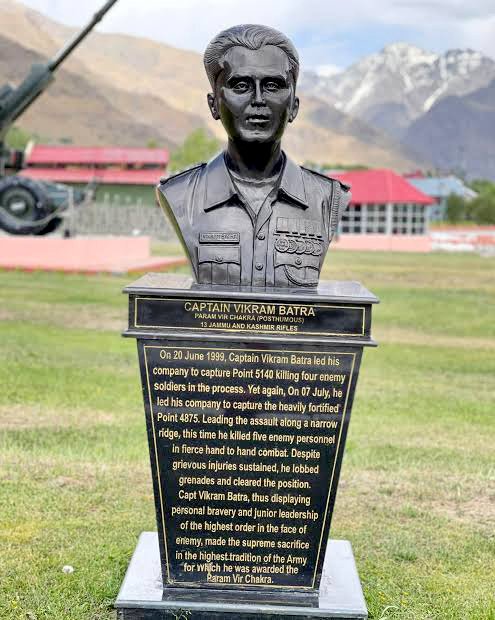
At the culmination of the pathway sits the core memorial alcove. Here, the Amar Jawan Jyoti, the Flame of the Immortal Soldier, burns perpetually beneath a stone canopy. Inscribed below the flame are verses from Makhanlal Chaturvedi’s renowned Hindi poem “Pushp Ki Abhilasha,” capturing the poignant sentiment of a flower wishing only to be strewn on the path trodden by bravehearts defending their nation. Directly behind the flame stands the massive main wall. A large brass plate fixed onto the pink stone is meticulously engraved with the names and ranks of all 527 soldiers and officers who made the supreme sacrifice during Operation Vijay. Each name represents a story of unfulfilled potential, a family broken, and a future traded for the safety of the nation.
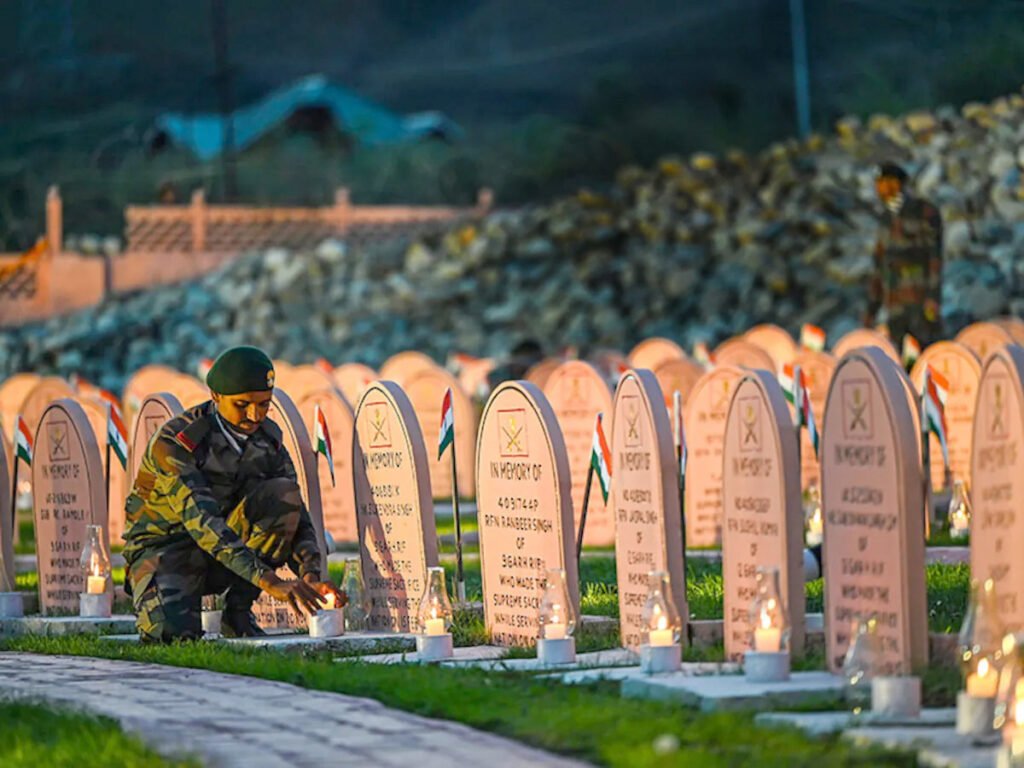
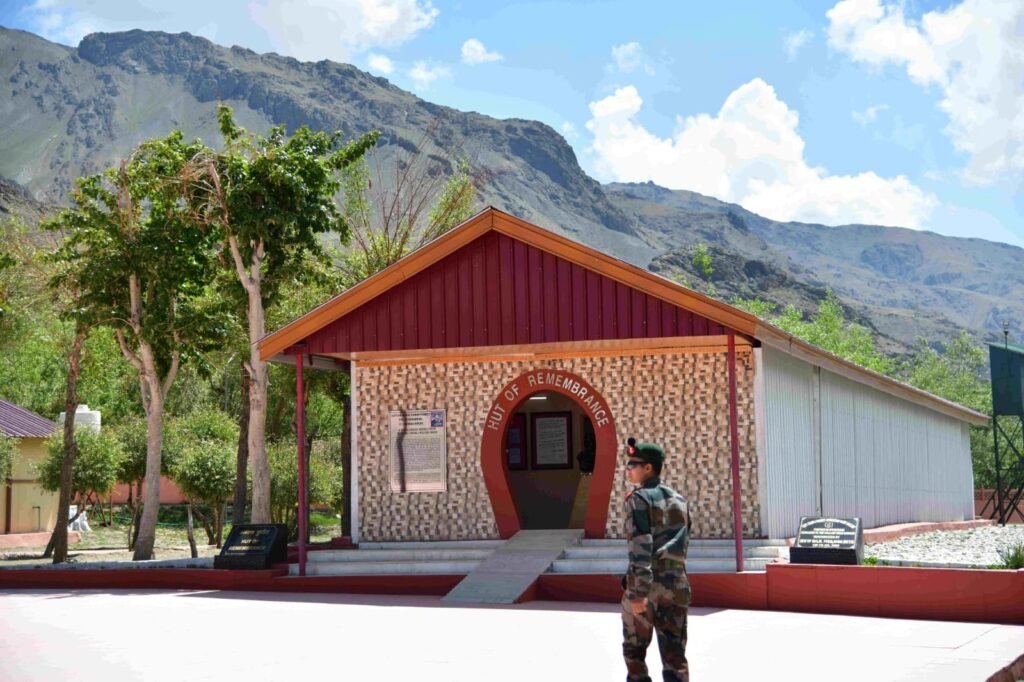
To the side of the central monument lies Veer Bhumi, an expansive green courtyard filled with neat rows of tombstones and plaques. Each marker bears a soldier’s name, unit emblem, and date of martyrdom, decorated with a small national flag. Walking through this courtyard, the scale of loss becomes intimately personal. Nearby stands the Hut of Remembrance, a museum that archives the human side of the conflict. It houses rare wartime photographs, operational maps, captured enemy weapons, and deeply moving personal letters written by young officers to their families back home.
It is in these letters that the true face of the war emerges— not in the clash of arms, but in the hesitant strokes of a pen. Young men in their early twenties articulated their love, their fears, and their unwavering commitment to duty. They were not mythical figures but ordinary youth who chose extraordinary responsibility, leading from the front and absorbing the brunt of the enemy fire. Their leadership was not born of invincibility, but of a profound sense of duty toward their men and their motherland.
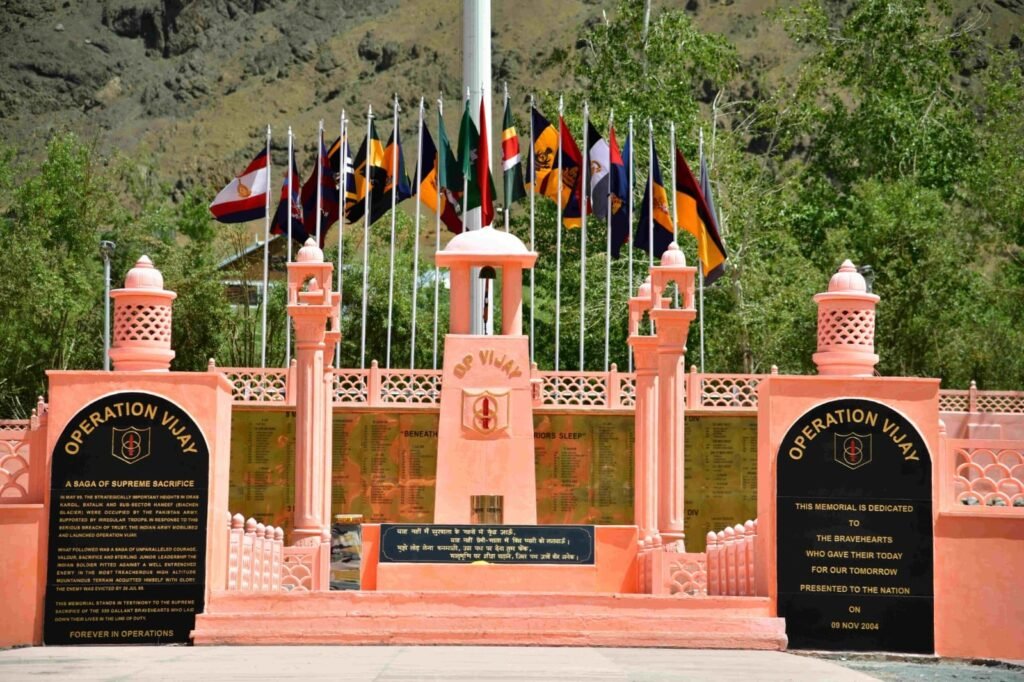
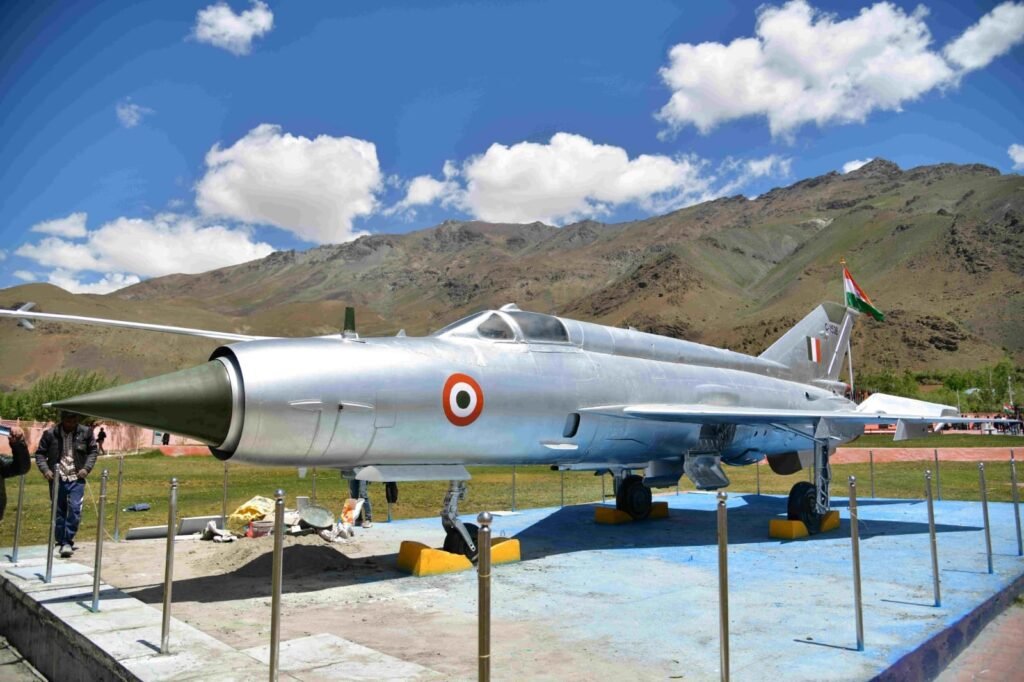
Every year on July 26, the country observes Kargil Vijay Diwas. On this day, the memorial transforms into a grand arena of national remembrance, hosting military top brass, political leaders, veterans, and the families of the fallen. Yet, the true heartbeat of the memorial is felt on ordinary days. Travelers journeying across Ladakh often stop along Highway 1D, stepping off their buses or bikes to walk quietly past the sandstone markers. Ordinary citizens, students, and tourists read the names of young men who gave up their futures so that millions could live in peace. The biting wind, the stoic mountains, and the silent flame create an atmosphere of profound introspection.
The visit culminates at the exit of the War Gallery, where a famous plaque addresses every departing guest with a simple, haunting message: “When you go home, tell them of us and say, for your tomorrow, we gave our today.” It is a plea for remembrance, ensuring that the sacrifices made in the cold heights of Kargil continue to echo through the ages. The memorial stands not merely as a record of a historical event, but as a living testament to the cost of freedom. It reminds every visitor that the peace they enjoy was bought at a staggering price in the most inhospitable corners of the country. Here, amid the sweeping valleys and towering peaks, the spirit of sacrifice is etched into the very landscape, enduring as long as the mountains themselves. In the silence of Dras, broken only by the whistling wind, one can hear the quiet heartbeat of a grateful nation. The Kargil War Memorial stands as a sentinel of time, a place where the living come to honor the fallen, and where the past whispers its timeless lessons to the present.