
By Rahul S Kumar
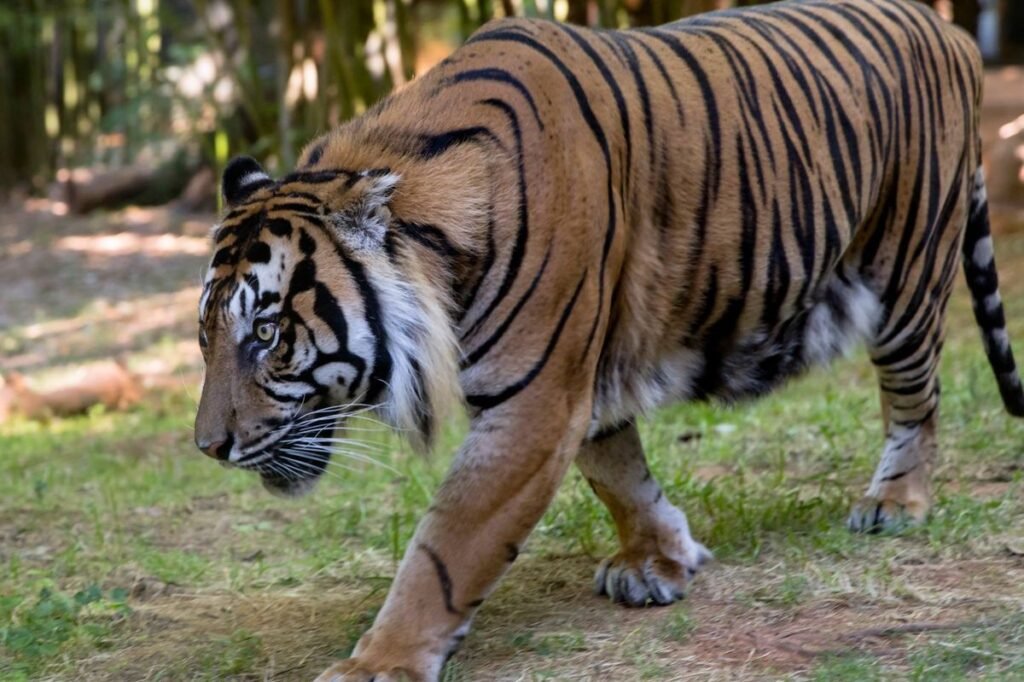
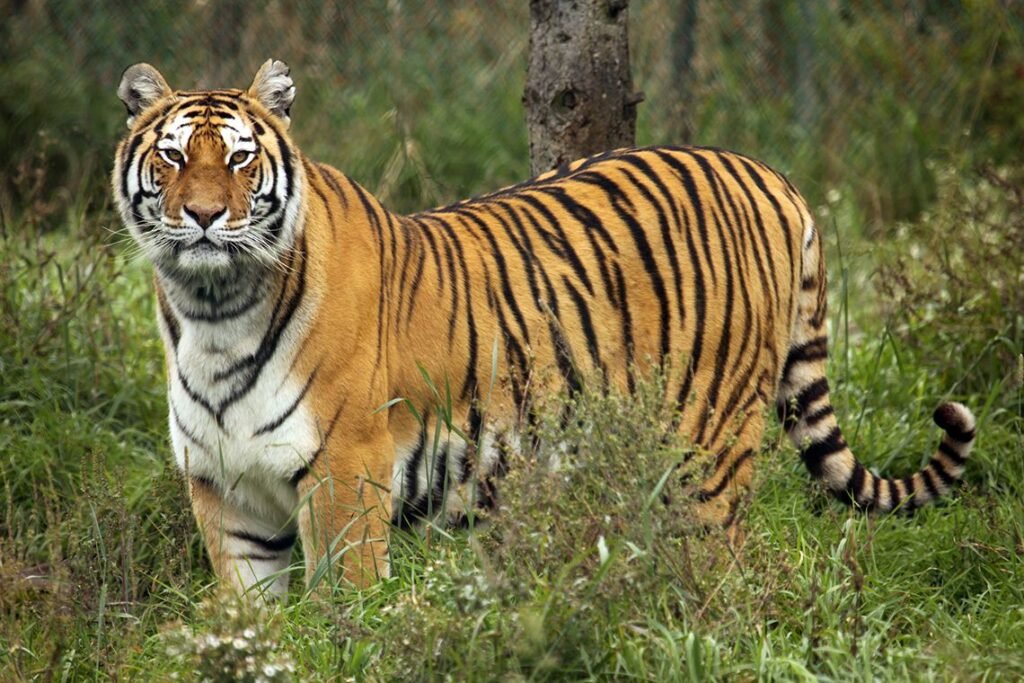
A tiger’s return to Cambodia will take more than a forest. Conservationists say the landscape must first have enough prey, protection and ecological security to support the species.
For more than a decade, Cambodia has carried the hope of seeing wild tigers once again move through its forests. That hope, however, will have to wait a little longer.
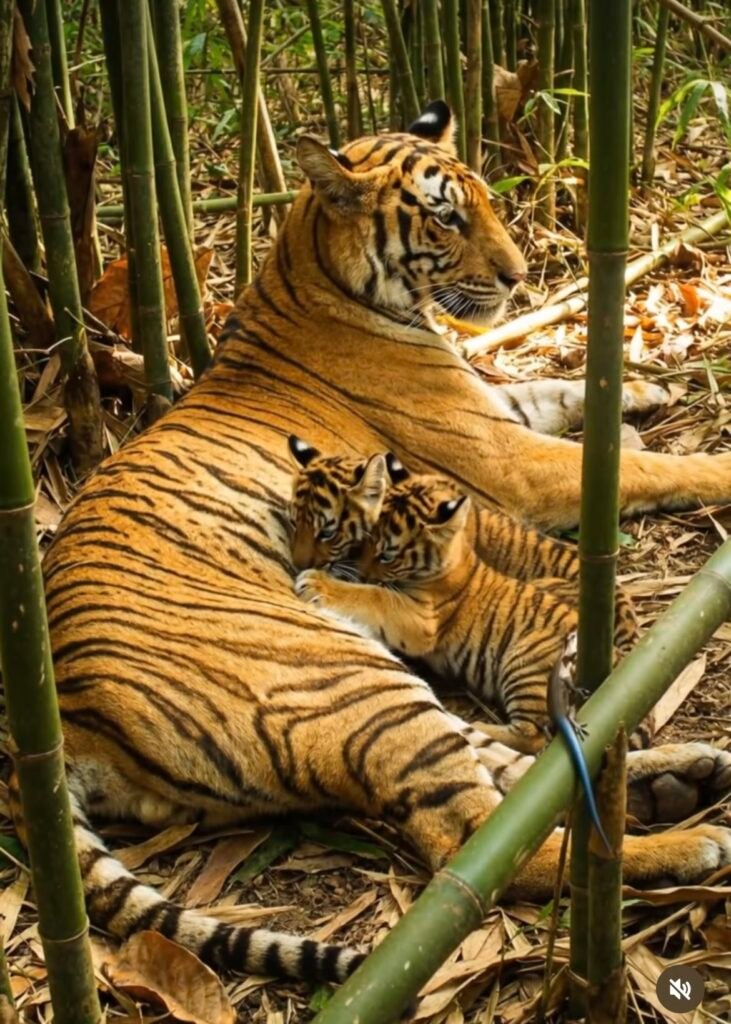
A joint effort involving India and Cambodia to bring Bengal tigers back to the country has been postponed, with the proposed reintroduction now expected to take place in 2028 instead of 2025. The decision follows an assessment of the proposed habitat, which found that prey numbers are still not sufficiently high to confidently support a sustainable tiger population.
The delay is not a retreat from the conservation programme. Instead, it reflects a fundamental principle of tiger conservation: protecting a forest is only the beginning; the forest must also be capable of feeding its predators.
A forest without enough prey cannot sustain tigers
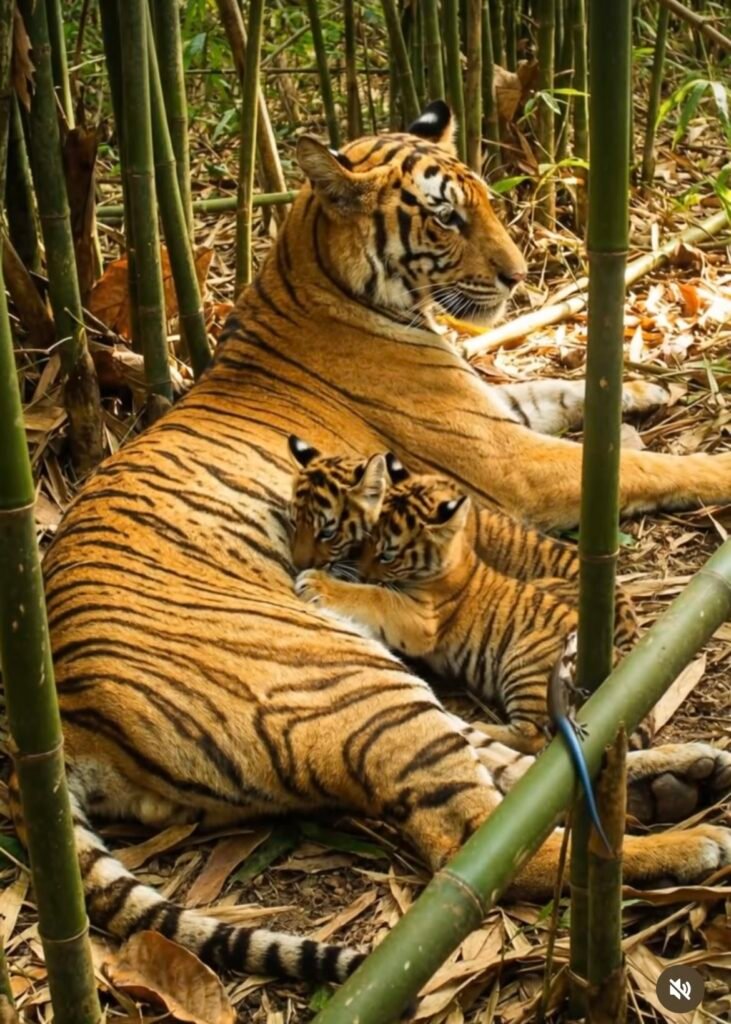
The proposed reintroduction landscape lies in southwestern Cambodia, within the Cardamom Mountains, one of the country’s remaining large stretches of relatively intact forest. The Kravanh National Park, covering more than 926,000 hectares, offers the kind of extensive habitat that tigers require.
Yet size alone does not guarantee success.
Tigers sit at the top of the food chain and require a substantial and dependable supply of wild prey. If deer, wild cattle, wild pigs and other suitable prey species are too scarce, even a protected forest can become an unsuitable home for a tiger population.
This concern was highlighted by a 2020 feasibility assessment of tiger restoration in the Cardamom Rainforest Landscape. The research indicated that prey availability could pose a serious limitation. According to the assessment, the probability of the landscape supporting a population of 25 adult tigers was below 25%, while there was a much higher likelihood that it could sustain a much smaller population of around five animals.
Those findings underline the challenge facing Cambodia: bringing back a handful of tigers may be possible, but establishing a self-sustaining population requires a much stronger ecological foundation.
Cambodia’s empty tiger forests
Cambodia was once home to Indochinese tigers, but decades of hunting, prey depletion and habitat pressures caused their numbers to collapse.
The country’s last confirmed tiger record came from a camera trap in 2007. Nearly a decade later, Cambodia officially declared the tiger extinct in the country in 2016.
The proposed reintroduction therefore represents more than the release of individual animals. It is an attempt to restore a predator that disappeared from Cambodia’s forests after years of ecological decline.
But conservationists caution that reversing extinction cannot simply mean transporting tigers into an apparently suitable forest.
The prey question comes first
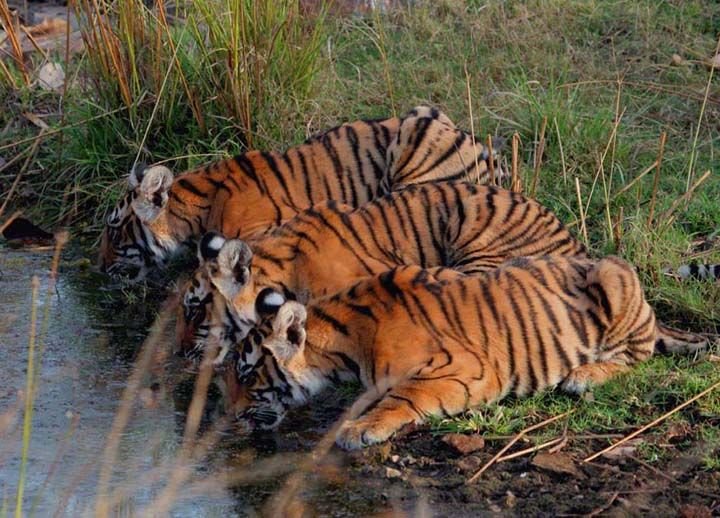
Wildlife scientists have repeatedly stressed that prey abundance is one of the most important factors determining whether tiger reintroduction can work.
Carnivore biologist K. Ullas Karanth has pointed to the central role of prey in sustaining tiger populations. His position reflects a broader principle seen across tiger landscapes: where prey populations are depleted, the recovery of tigers becomes extremely difficult, regardless of the size of the protected area.
A tiger may be able to survive temporarily in a landscape with limited prey, but a conservation programme must aim much higher. The objective is to create conditions in which tigers can hunt, reproduce, raise cubs and establish a stable population without depending on human intervention.
That requires healthy prey populations before the first tiger is released.
Three years to prepare the landscape
The shift to 2028 provides Cambodia with additional time to address these ecological gaps.
Among the priorities are strengthening protection across the proposed habitat, expanding anti-poaching patrols and tackling the use of snares. Cambodia has also identified prey recovery as a critical component of the preparation process.
Snaring is particularly damaging because it does not selectively target wildlife. A landscape filled with wire snares can silently remove deer and other prey species while also injuring or killing predators and other non-target animals.
Removing snares and maintaining continuous protection can therefore serve two purposes: rebuilding prey populations and creating a safer environment for any future tiger population.
A return that must be built, not rushed
The postponement may appear to delay an ambitious conservation milestone, but the additional preparation period could prove important for the long-term objective.
The success of a tiger reintroduction cannot be measured by whether released animals survive their first few months or years. The real measure is whether the population can eventually sustain itself in the wild.
For Cambodia, that means restoring the ecological chain that disappeared along with the tiger — from prey species and healthy forests to effective protection and connected habitat.
The Cardamom Mountains still offer a rare opportunity. Its extensive forests provide the physical space a tiger population needs. What remains to be rebuilt is the abundance of life within those forests.
By moving the target to 2028, conservation authorities have more time to make that preparation meaningful.
When Bengal tigers eventually return to Cambodia, their survival will depend not simply on the forest they enter, but on everything that lives beneath the forest canopy.
The tiger can only return when the forest is ready to feed it.