
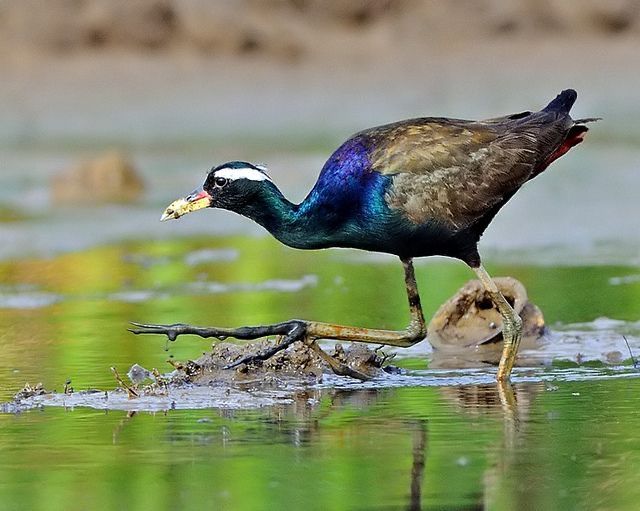
The Jacana is one of the most fascinating birds found in wetlands around the world. It is often called the “bird that walks on water” because of its incredible ability to move across floating vegetation without sinking. This unusual skill has made the Jacana one of the most unique and admired waterbirds in nature.
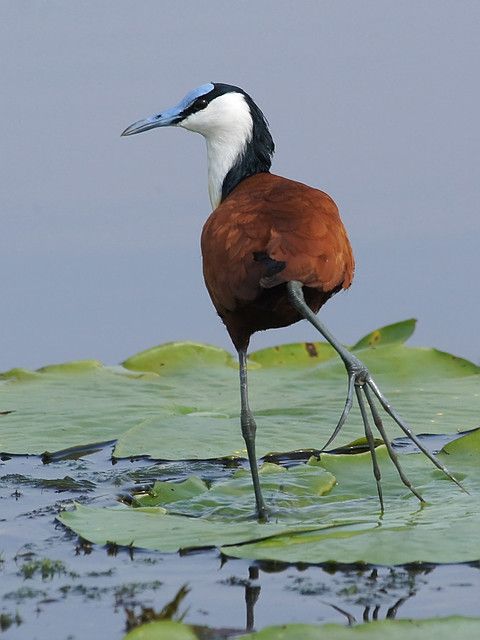
At first glance, the Jacana may look like an ordinary wetland bird, but a closer look reveals its most remarkable feature-its extremely long toes and claws. Unlike most birds, whose feet are designed for perching or swimming, the Jacana’s feet are specially adapted for walking on floating plants. Its long toes spread the bird’s weight over a larger surface area, much like snowshoes help people walk on snow without sinking. This adaptation allows the Jacana to walk effortlessly across lily pads, lotus leaves, and other aquatic vegetation that would not support the weight of many other birds.
Because of this special ability, Jacanas can explore parts of wetlands that are difficult for other animals to access. They can search for food among floating plants, feeding on insects, small invertebrates, seeds, and other aquatic organisms. Their skill at moving across vegetation gives them access to rich feeding grounds while helping them avoid some predators.
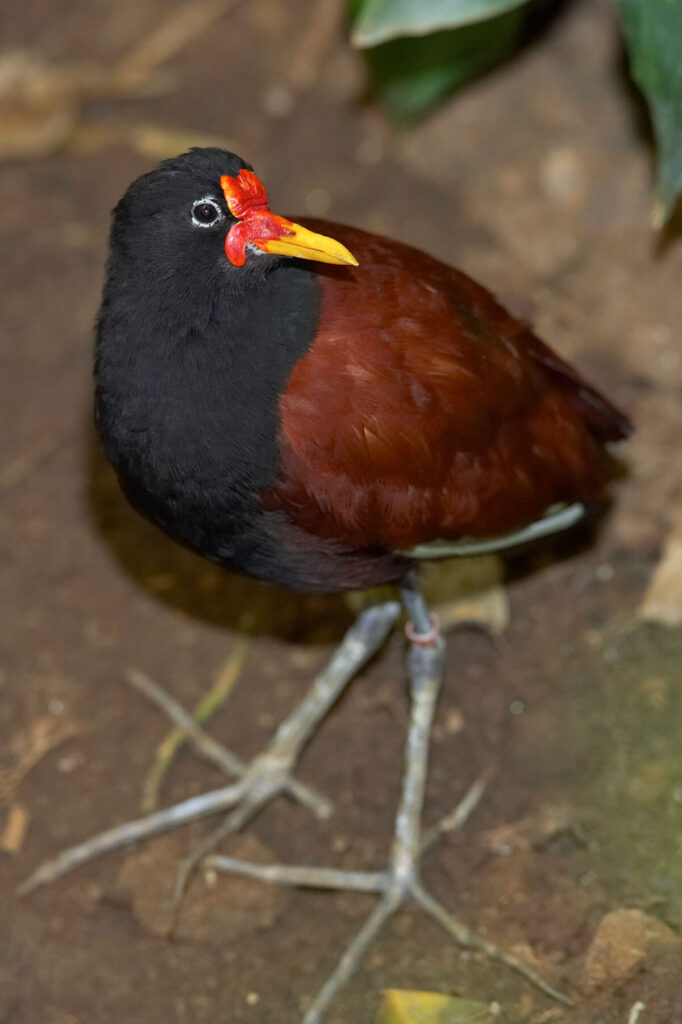
Jacanas are found in tropical and subtropical regions across Africa, Asia, Australia, and the Americas. Different species may vary in appearance, but they all share the distinctive long toes that make them famous. Many species are beautifully colored, featuring combinations of brown, black, chestnut, white, and even bright yellow markings. Some species also have colorful facial shields or wattles, making them even more striking.
One of the most interesting aspects of Jacana behavior is their unusual family life. In many bird species, females lay eggs while males help with feeding and protection. However, Jacanas take this arrangement to another level. In several Jacana species, the male is responsible for most of the parental care. After the female lays the eggs, the male incubates them, protects the nest, and looks after the chicks once they hatch.
This role reversal is quite rare in the bird world and has attracted the attention of scientists for many years. Female Jacanas are often larger and more territorial than males. A single female may even mate with more than one male, while each male takes responsibility for caring for his own nest and offspring. This unique breeding system is one of the reasons Jacanas are considered so fascinating by bird researchers.
Perhaps the most heartwarming behavior of the Jacana is the way males protect their young. When danger threatens, a male Jacana may gather his chicks and hide them beneath his wings. Observers have even seen males running or flying short distances while carrying their tiny chicks tucked safely under their feathers. From a distance, it can look as though the chicks have magically disappeared. This remarkable behavior helps keep the vulnerable young birds safe from predators.
Wetlands are essential habitats for Jacanas, but these environments are increasingly threatened by pollution, drainage, and habitat destruction. Protecting wetlands not only helps Jacanas survive but also benefits countless other plants and animals that depend on these ecosystems.
The Jacana is a wonderful example of nature’s creativity. From its extraordinary feet that allow it to “walk on water” to its unique parenting habits and remarkable survival strategies, this bird continues to amaze people around the world. It reminds us that even in familiar habitats like ponds and marshes, nature still holds incredible surprises waiting to be discovered.
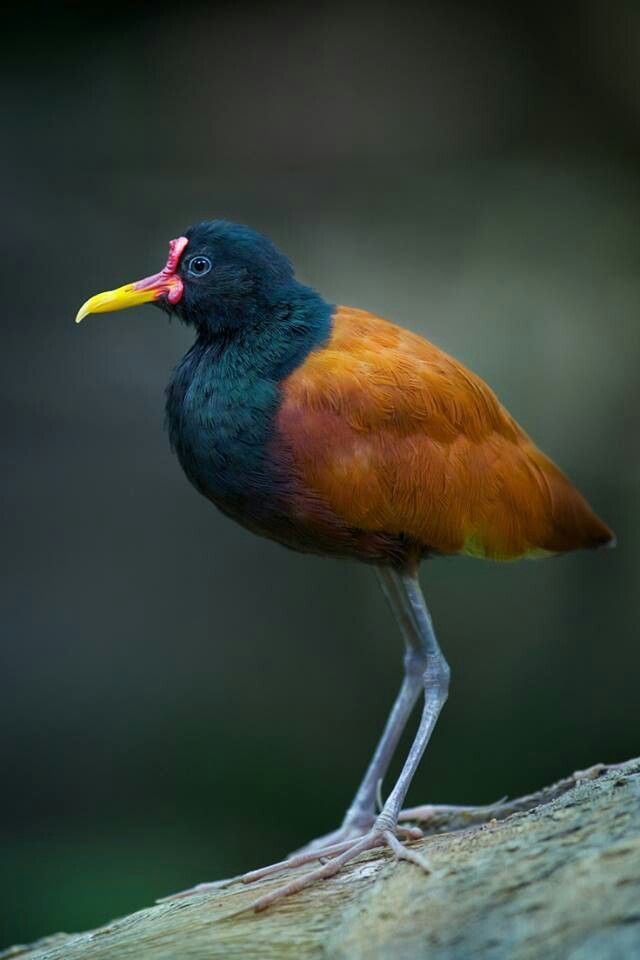
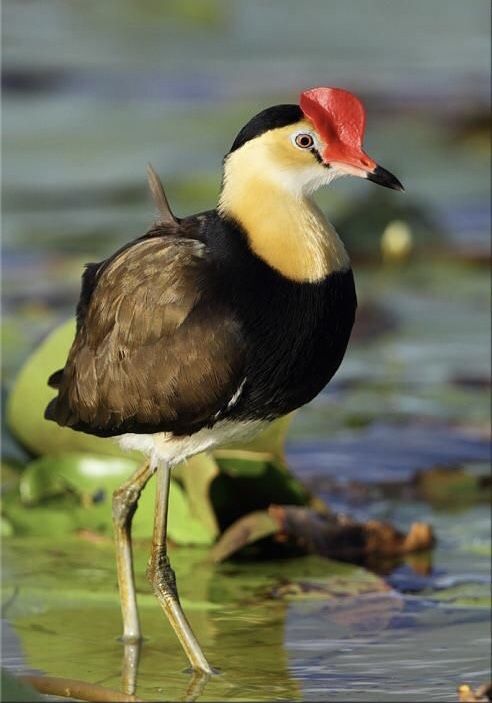
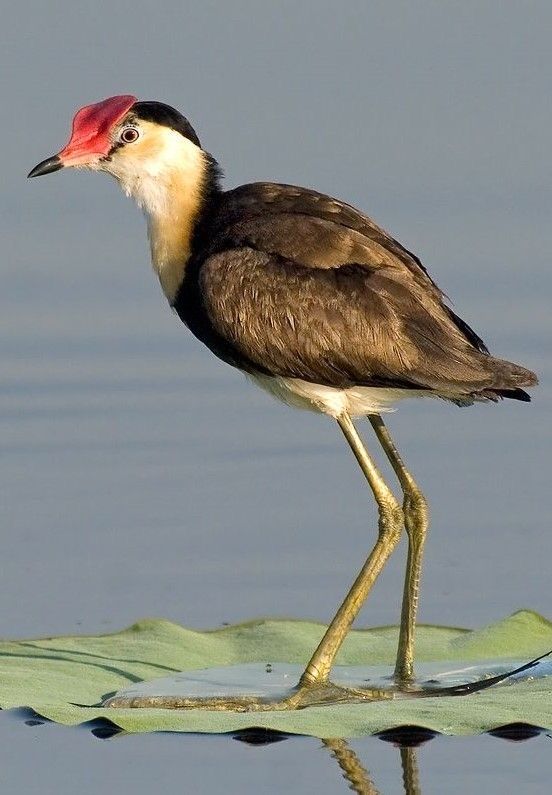





The colors of the jacana is beautiful and really amaze me.very informative .