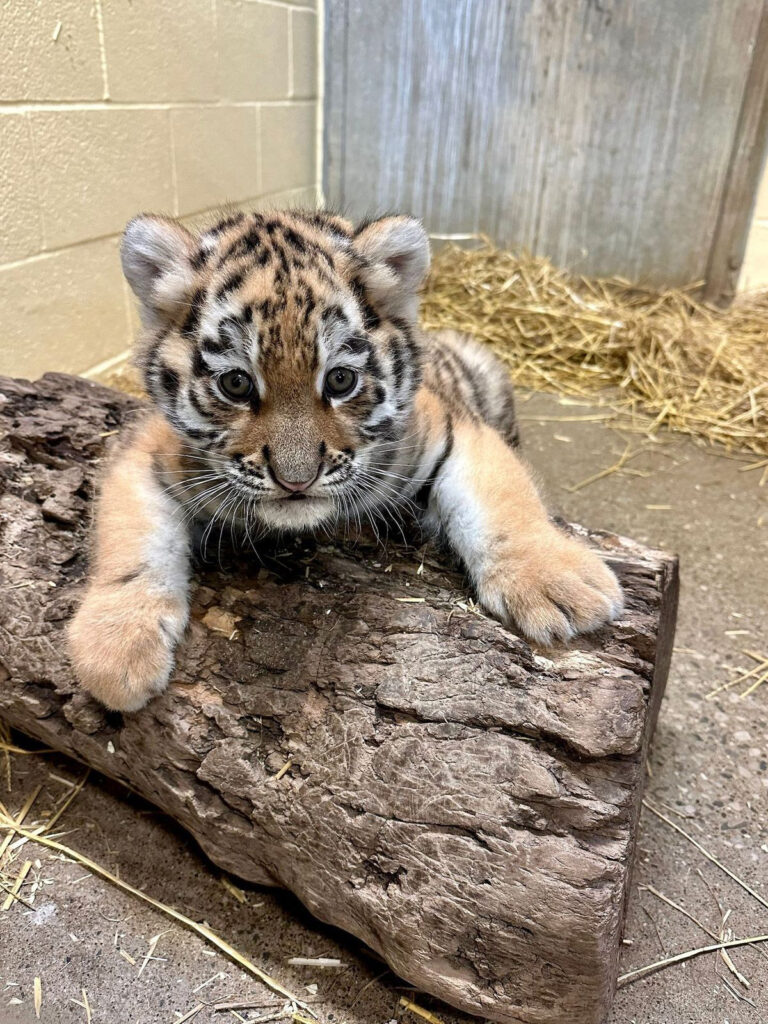
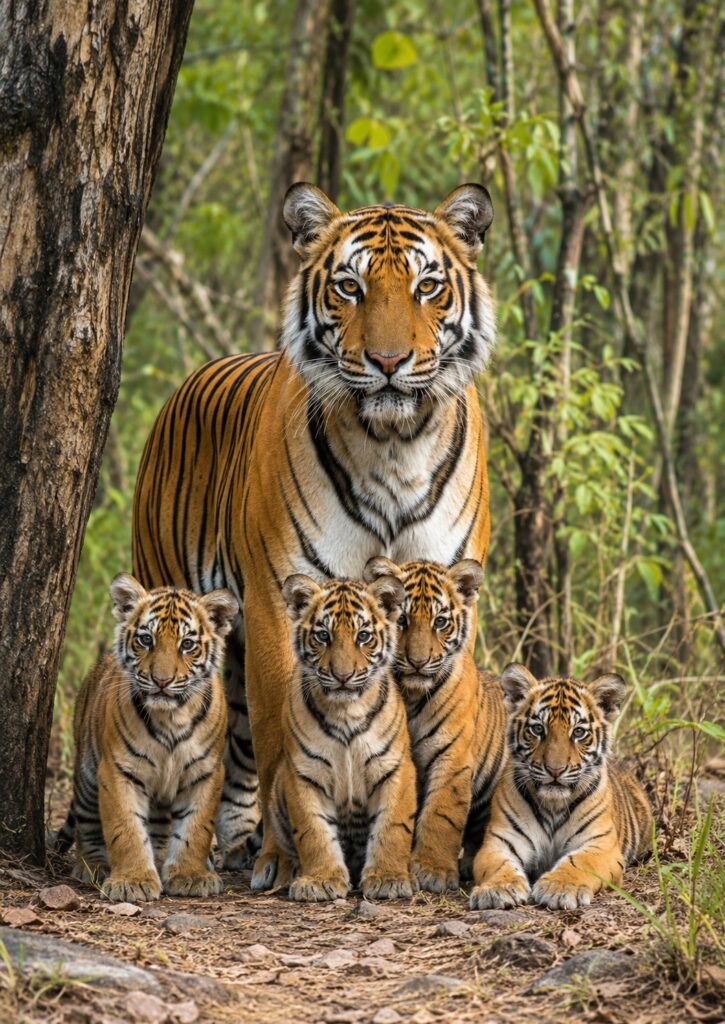
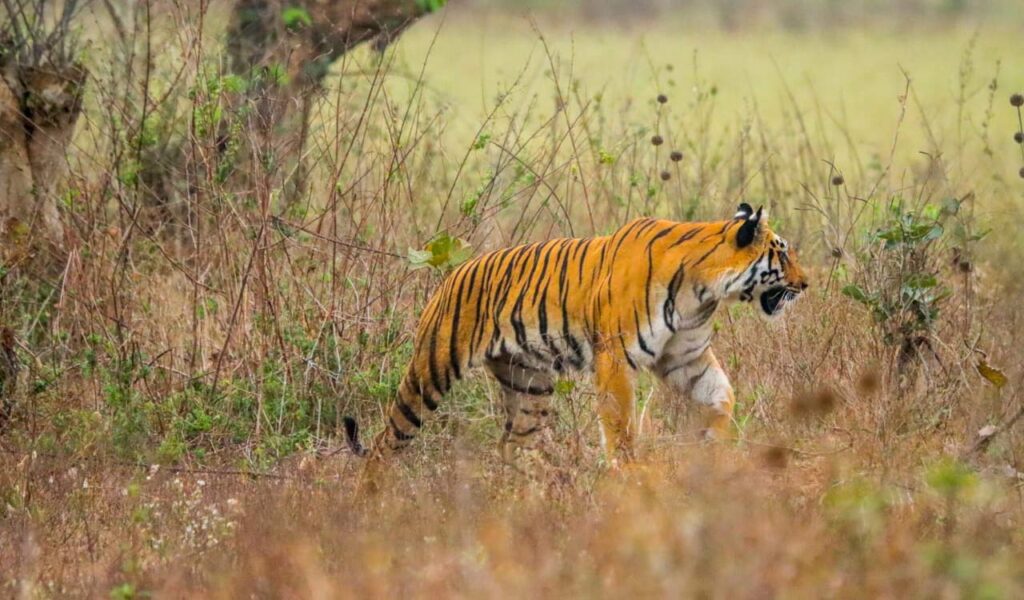
In a landmark achievement for wildlife conservation, tigress Zeenat has given birth to four healthy cubs in Odisha’s Similipal Tiger Reserve. The birth marks a significant success for the state’s scientific tiger translocation programme, aimed at enhancing genetic diversity and securing the future of the reserve’s tiger population.
The forests of Odisha’s Similipal Tiger Reserve (STR) are echoing with a new promise of life. In a remarkable milestone for wildlife conservation in India, tigress Zeenat has given birth to four healthy cubs in the core area of the reserve. The news, confirmed by Odisha Forest Minister Ganesh Ram Singhkhuntia on June 2, 2026, has been celebrated by conservationists, wildlife enthusiasts, and policymakers alike. More than just a birth announcement, this event represents a significant victory for science-driven conservation and the long-term survival of tigers in eastern India
According to forest officials, Zeenat delivered her cubs approximately 20 days before the public announcement. Both the mother and her newborns are reported to be healthy and thriving. To ensure their safety, the Forest Department has intensified monitoring efforts using GPS tracking systems and strategically placed camera traps. Such measures allow wildlife managers to observe the family from a distance while minimizing human interference in this critical early stage of the cubs’ development.
What makes this birth particularly significant is Zeenat’s unique conservation journey. The tigress was translocated from Maharashtra’s renowned Tadoba-Andhari Tiger Reserve to Similipal in November 2024. The relocation was part of an ambitious initiative aimed at strengthening the genetic diversity of the tiger population in Similipal. Wildlife experts had expressed concerns that the reserve’s relatively isolated tiger population faced risks associated with genetic inbreeding, which can reduce fertility, weaken disease resistance, and threaten long-term population viability.
By introducing a tigress from a genetically distinct population, conservation planners hoped to infuse new bloodlines into Similipal’s tiger gene pool. Zeenat’s successful reproduction suggests that this strategy is already yielding positive results. Her four cubs symbolize not only the continuation of a species but also the success of carefully planned wildlife management interventions based on scientific research.
Zeenat is no stranger to headlines. Shortly after her relocation, she embarked on an extraordinary journey that captured national attention. The tigress wandered nearly 300 kilometers across Odisha, Jharkhand, and West Bengal, crossing state boundaries and navigating a variety of landscapes before being safely tracked by wildlife authorities. Her unexpected adventure highlighted both the challenges and resilience of large carnivores adapting to new environments. It also demonstrated the effectiveness of modern wildlife tracking technologies, which enabled forest officials to monitor her movements and ensure her safety throughout the journey.
Today, the same tigress who once seemed uncertain about her new home has become a symbol of conservation success. Her decision to settle in Similipal and raise a litter of cubs there marks a turning point in the reserve’s ongoing efforts to strengthen its tiger population.
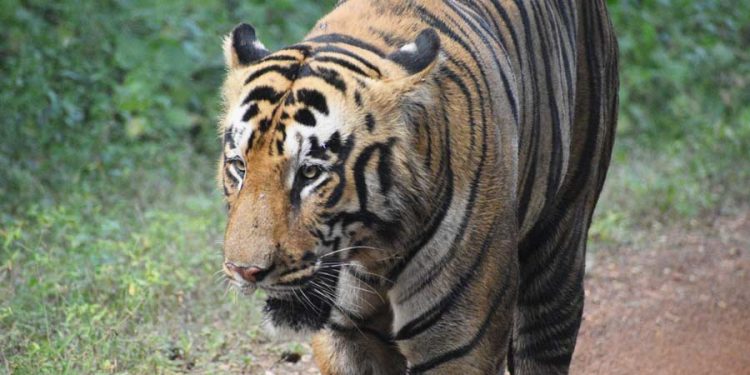
Similipal Tiger Reserve occupies a special place in India’s wildlife heritage. Spread across the lush forests of northern Odisha, it is known for its rich biodiversity, including elephants, leopards, gaur, and numerous bird species. However, the reserve enjoys global recognition for another reason: it is one of the few places in the world where melanistic, or so-called “black,” tigers are found. These rare tigers possess unusually dark stripes that merge across much of their body, giving them a distinctive appearance. The unique genetic traits of Similipal’s tiger population have fascinated scientists for years and have made the reserve a focal point for conservation research.
The birth of Zeenat’s cubs is therefore significant on multiple levels. It contributes to population growth, enhances genetic diversity, and reinforces confidence in modern conservation strategies. The event also underscores the importance of habitat protection. Healthy tiger populations can only flourish when forests remain connected, prey species are abundant, and human-wildlife conflicts are carefully managed.
Odisha Chief Minister Mohan Charan Majhi described the development as a major breakthrough for science-led wildlife conservation and habitat management in the state. His remarks reflect a broader shift in conservation philosophy, where data-driven decision-making, advanced monitoring technologies, and inter-state collaboration are increasingly shaping wildlife protection efforts.
As Zeenat nurtures her four cubs deep within the forests of Similipal, conservationists remain hopeful about the future. While challenges such as habitat fragmentation, poaching, and climate pressures continue to threaten wildlife worldwide, stories like this offer a powerful reminder that dedicated conservation efforts can produce tangible results.
In the heart of Odisha’s wilderness, four tiny cubs have become symbols of renewal, resilience, and hope. Their arrival marks not just the growth of a tiger family but the strengthening of an entire ecosystem—and perhaps the beginning of a brighter future for India’s majestic big cats.




“This success not only boosts the tiger population in the state but also stands as a testimony to our administrative efforts in protecting biodiversity and creating a safe habitat for wildlife,”
— CM Majhi said