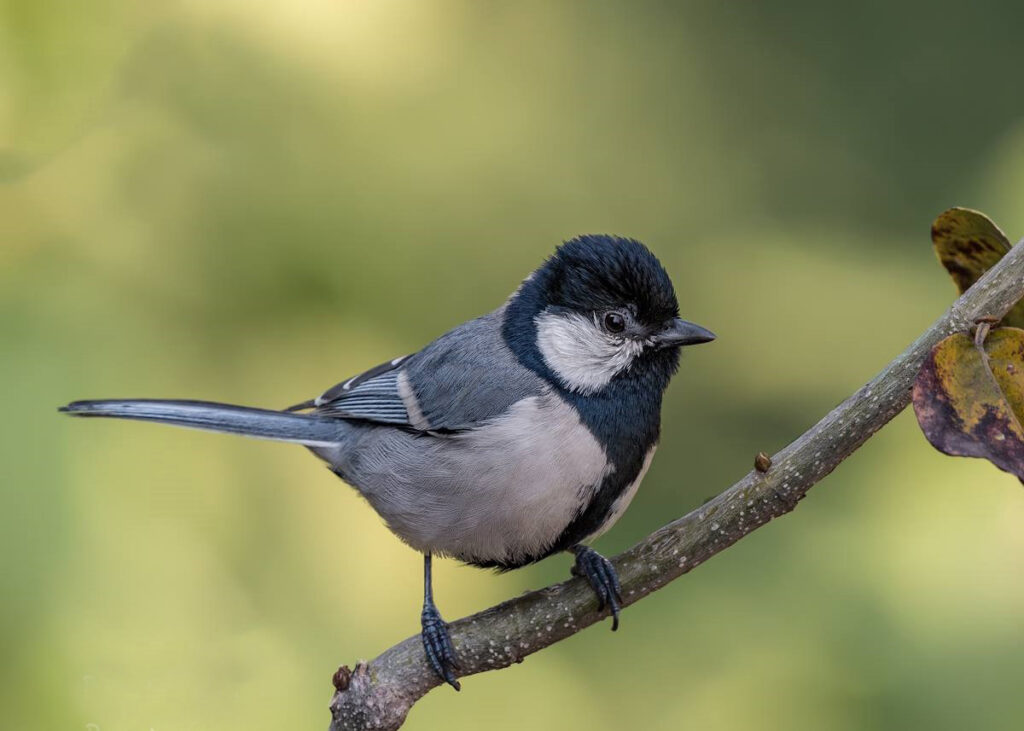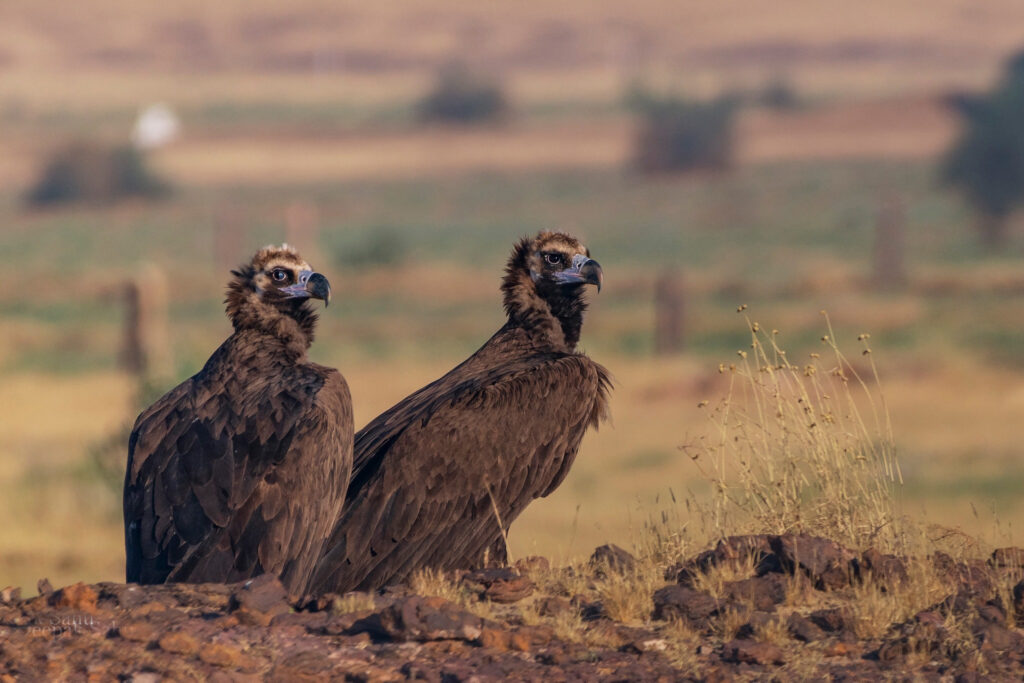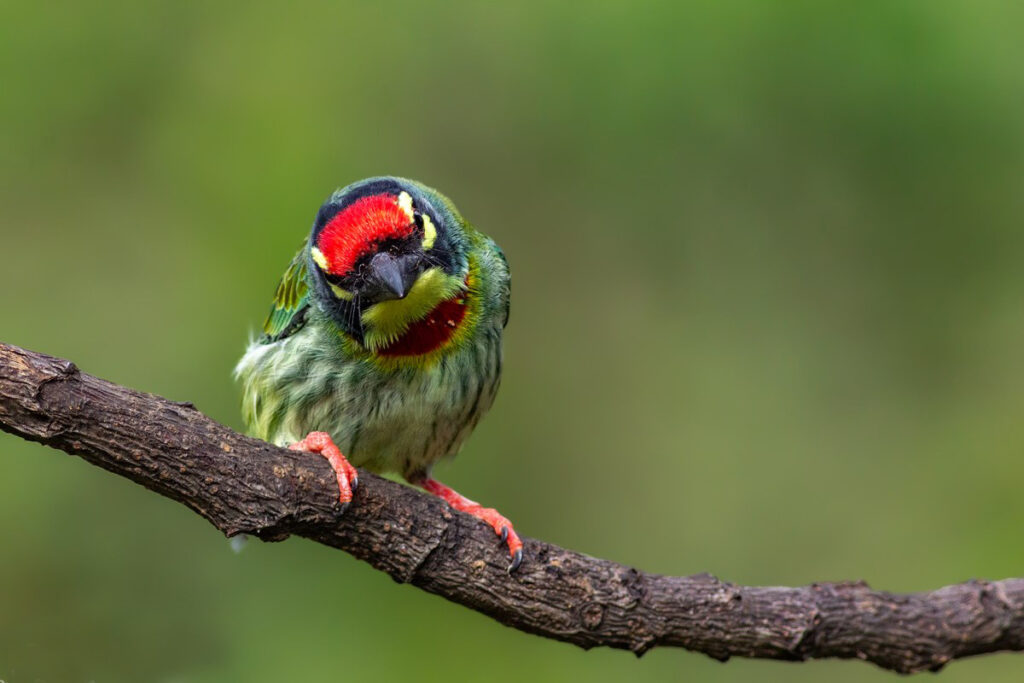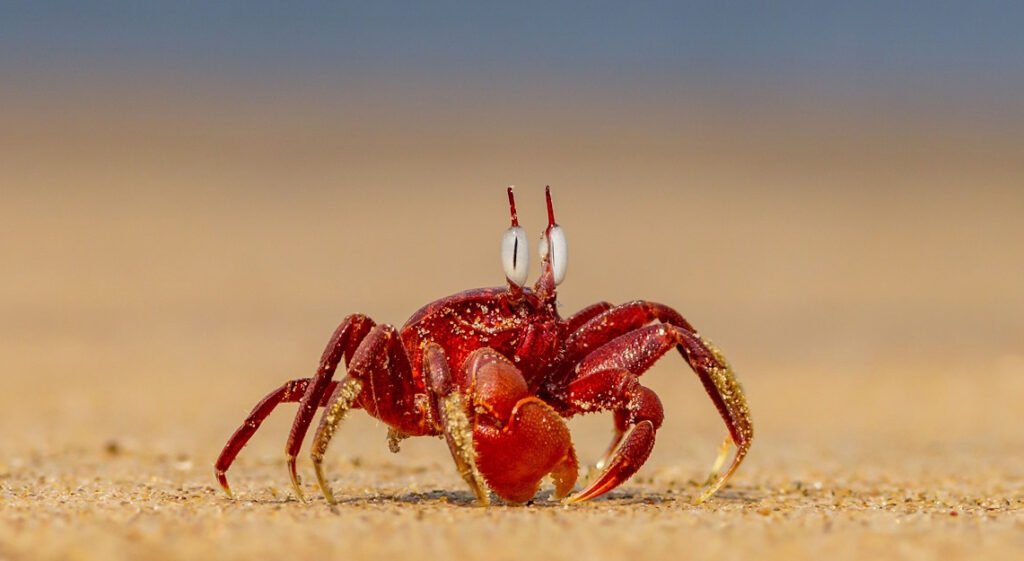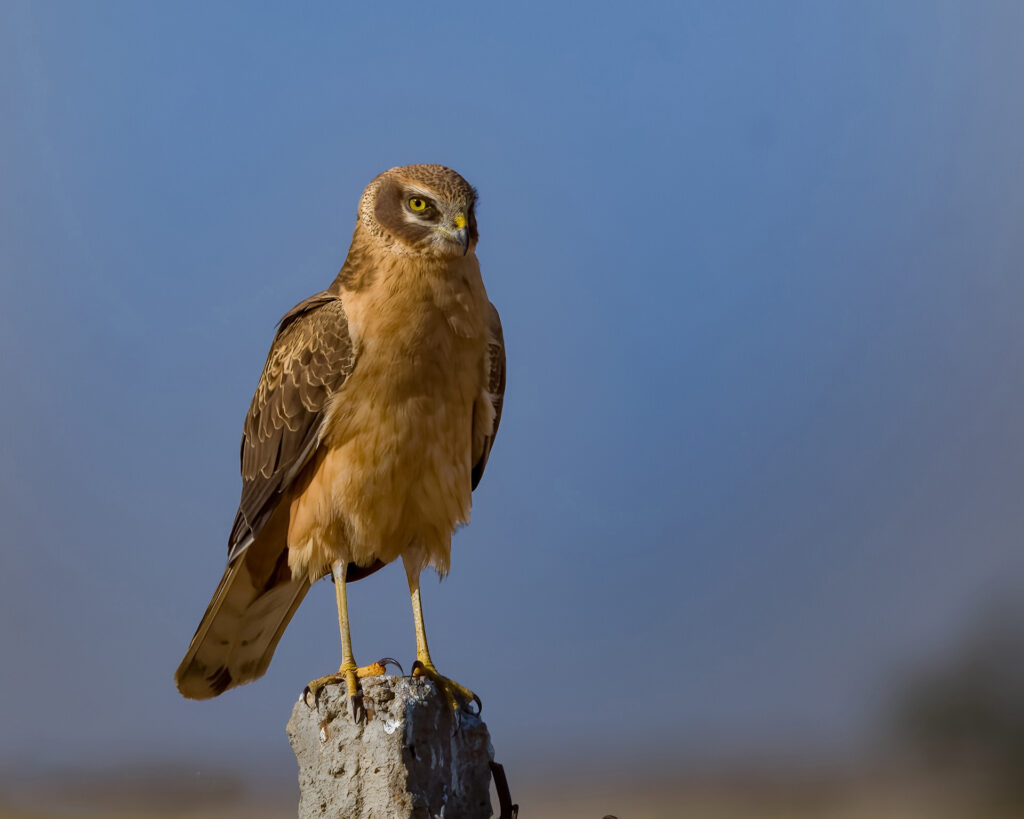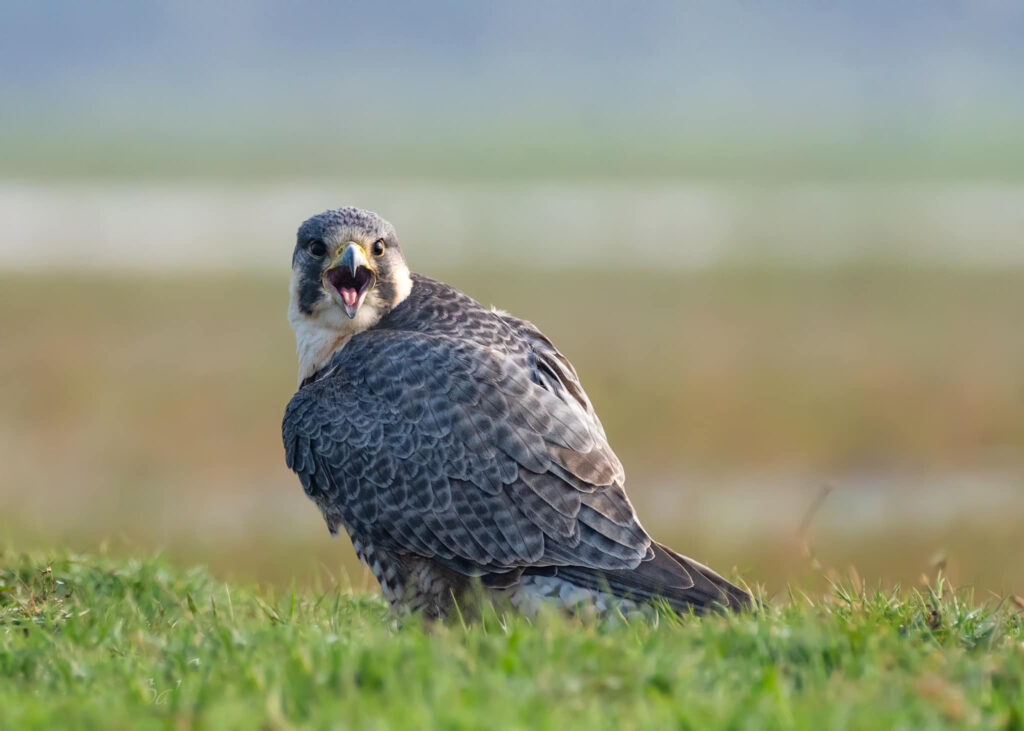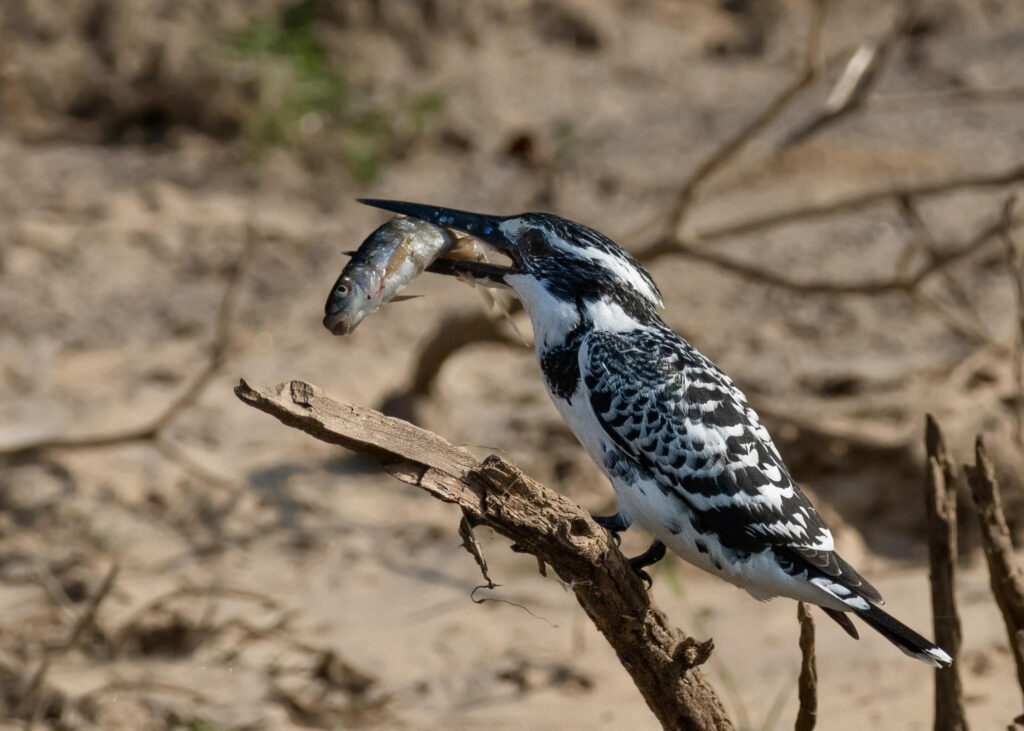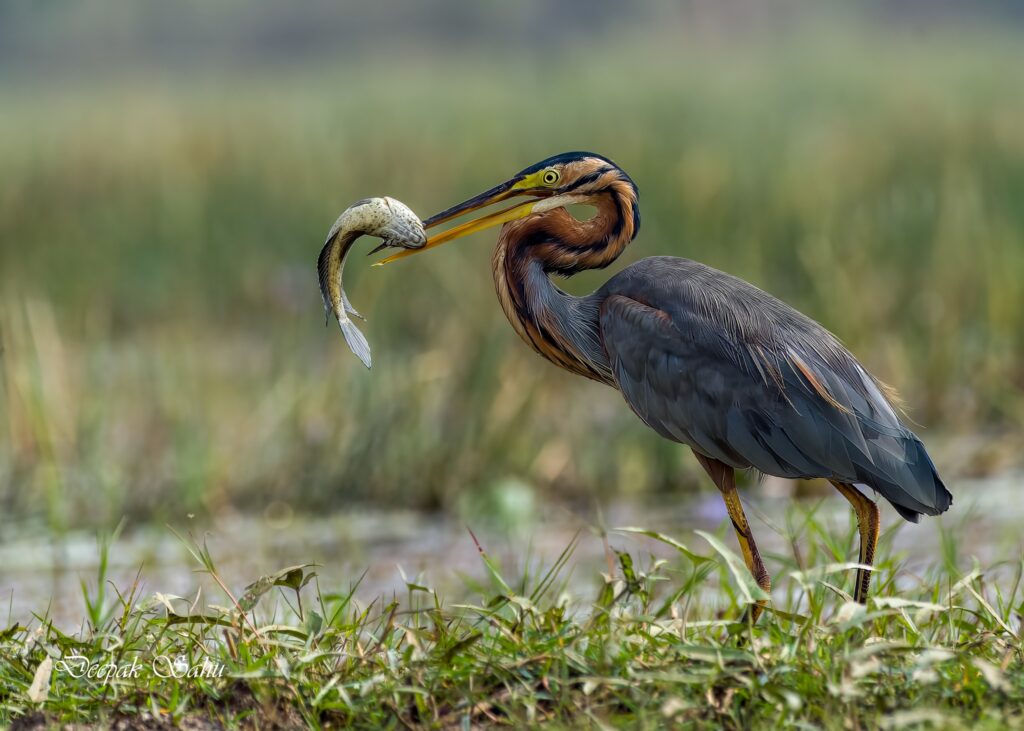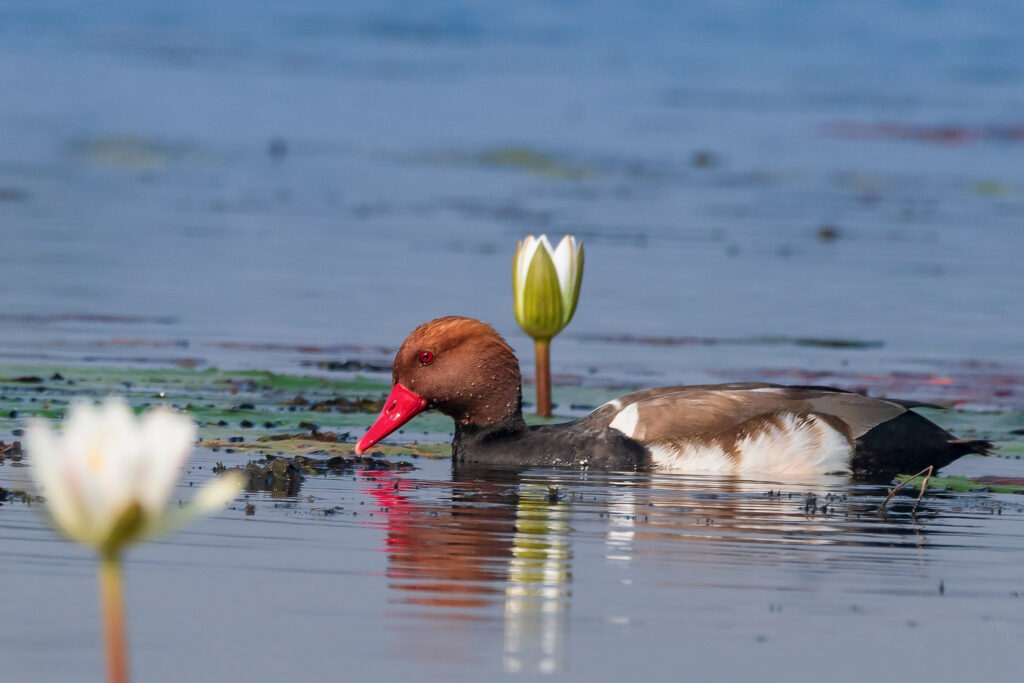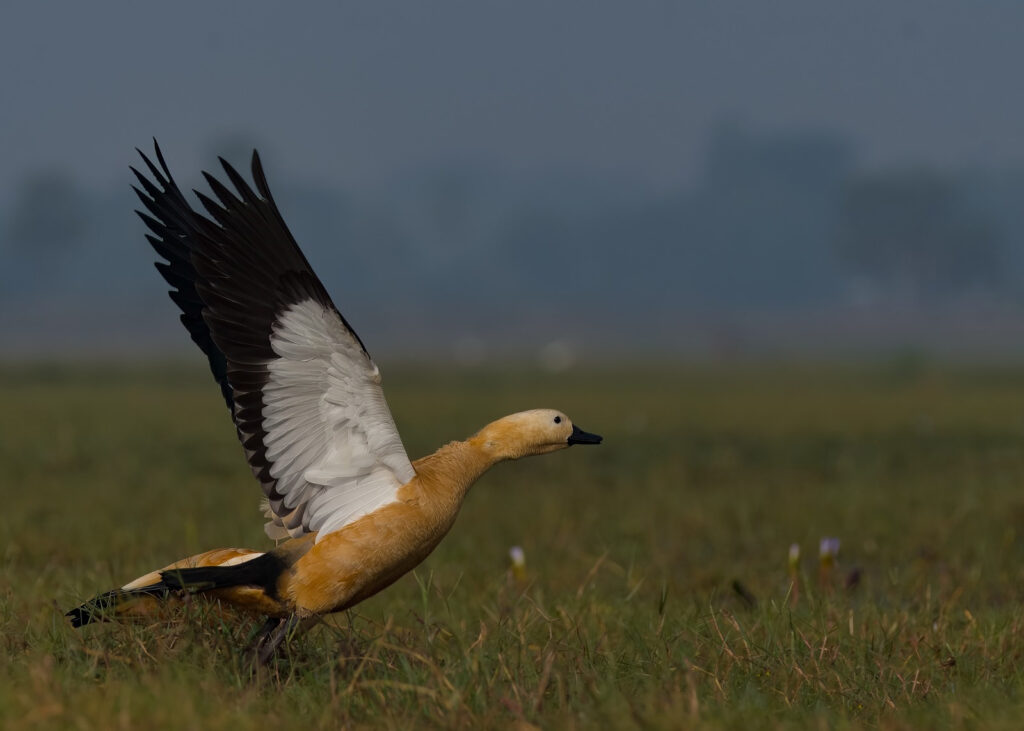
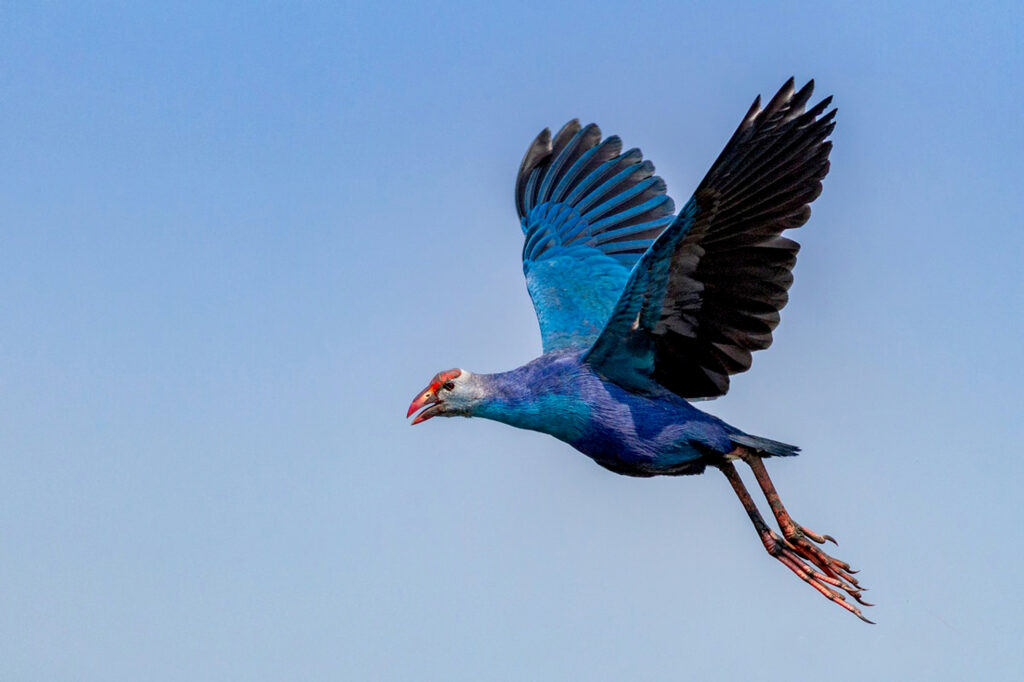
A Symphony of Wings and Color
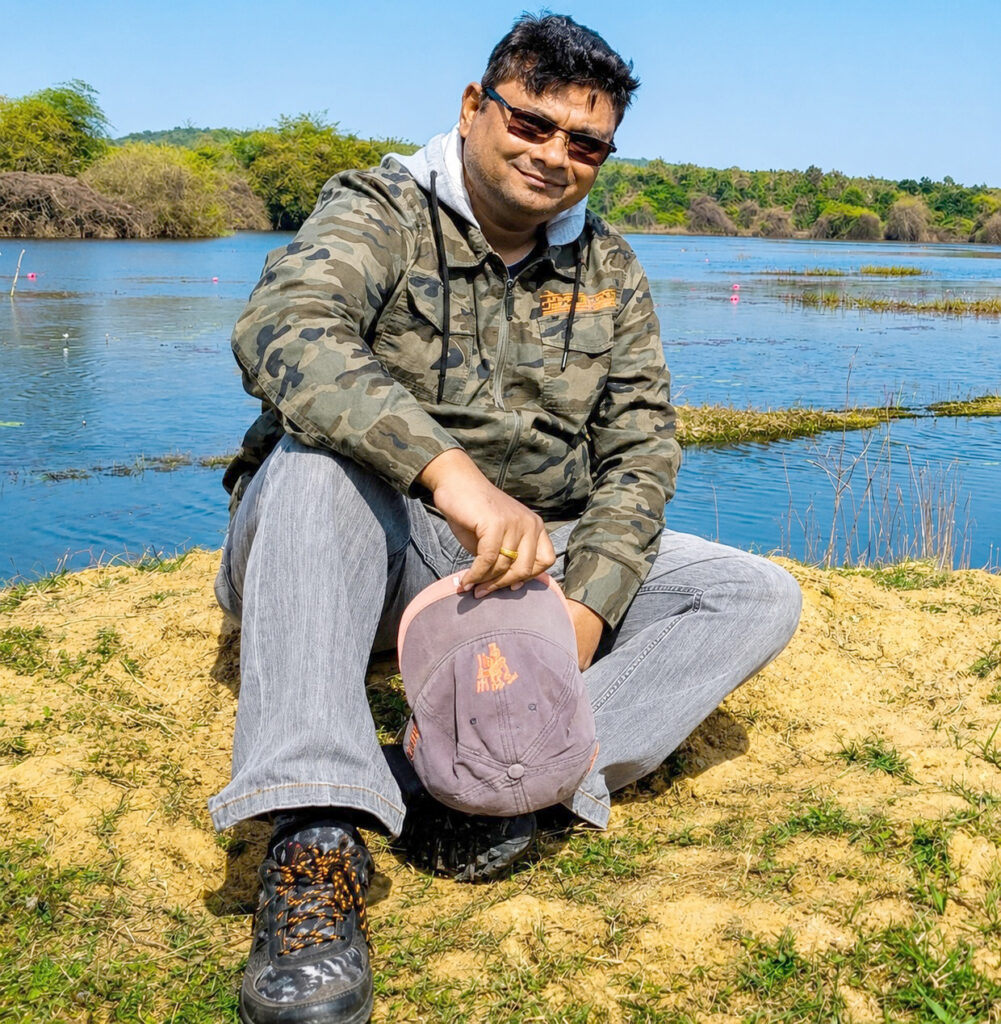
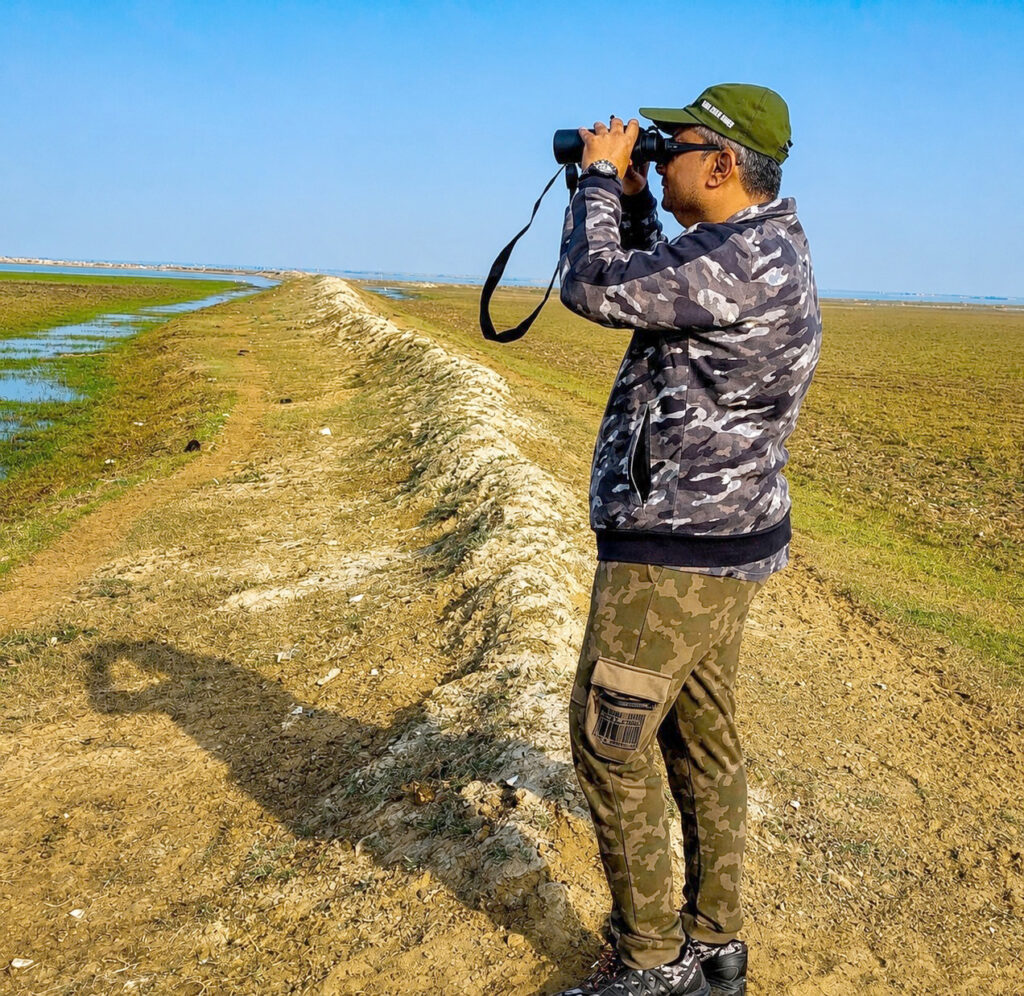
Intro: From an enthusiastic hobbyist to a committed wildlife photographer, Deepak Sahu’s journey exemplifies the values of perseverance, intellectual curiosity, and a profound respect for nature. What began as an interest in capturing landscapes and everyday scenes gradually developed into a lifelong dedication to wildlife documentation and environmental conservation. Through his photography, Deepak not only highlights the beauty of birds, animals, and natural habitats but also presents compelling visual narratives that foster awareness and appreciation of the natural world. His experiences across forests, wetlands, and protected ecosystems have enriched his understanding of the delicate balance that sustains biodiversity. This feature examines his remarkable transformation, photographic accomplishments, conservation initiatives, and the enduring commitment that continues to inspire his work in the wilderness
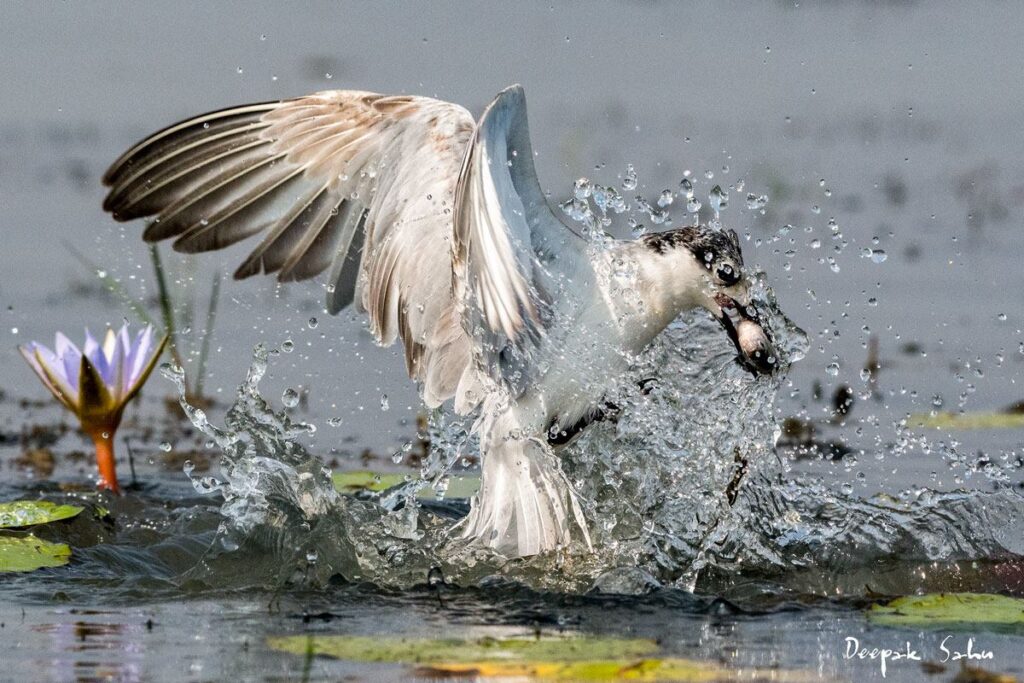
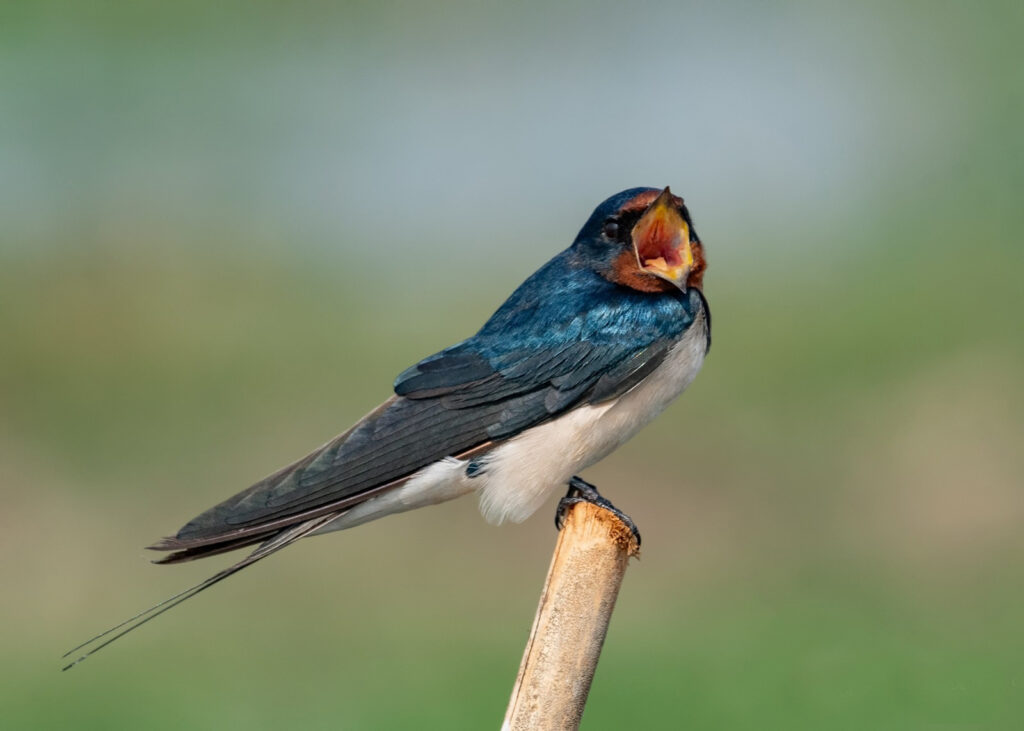
BIO – Deepak Sahu is an Odisha-based wildlife photographer and passionate naturalist with over a decade of experience documenting India’s rich biodiversity. His journey into wildlife photography began through birdwatching and evolved into a lifelong pursuit of capturing authentic moments in nature. Specializing in birds and wildlife behavior, Deepak believes every photograph should tell a story while promoting respect for the natural world. An advocate of ethical wildlife photography and conservation awareness, he actively supports community outreach initiatives around protected habitats. His photographs have been published in Sanctauary Asia, Sanctuary Asia(Cub), Nature India and also in various field bird guide books.
1. What inspired your journey into photography?
My journey into photography began as a hobbyist capturing landscapes, street scenes, and family moments. Around 2012, I started exploring photography more seriously, and over time it evolved from a casual interest into a lifelong passion. Wildlife photography, in particular, opened up an entirely new perspective on nature and storytelling.
2. What draws you to the wild?
The wilderness offers a sense of peace and perspective that is difficult to find in everyday life. Being in natural habitats allows me to observe ecosystems, understand animal behaviour, and appreciate the delicate balance of nature. It also strengthens my commitment to conservation and environmental awareness.
3. How do you prepare for a wildlife shoot?
Preparation begins with research—understanding the species, habitat, weather conditions, and local regulations. I prefer carrying only the essential gear, primarily a telephoto lens that enables me to photograph wildlife from a respectful distance. My goal is always to minimize disturbance and allow animals to behave naturally in their environment.
4. What makes a wildlife photograph truly compelling for you?
A compelling wildlife photograph should tell a story. Beyond aesthetics, it should document a moment, reveal behaviour, capture emotion, or provide context about a species and its habitat. The best images create a connection between the viewer and the natural world.
5. How do you stay focused in unpredictable environments?
Safety and preparation are key. I rarely venture into remote wildlife areas alone and always ensure local authorities or guides are aware of my plans. Understanding the terrain, carrying the right equipment, and learning about the species beforehand help me remain calm, alert, and adaptable in unpredictable situations.
6. How has your gear evolved with your craft?
My photography journey started with film cameras from brands such as Pentax, Kodak, and Minolta. Later, I transitioned to digital photography with cameras like the Sony H50, which introduced me to manual controls and creative experimentation. Eventually, I moved to DSLR systems, beginning with the Canon 1000D and later exploring Nikon equipment. Interestingly, joining a birding group sparked my passion for wildlife photography, leading me to invest in more specialized gear designed for capturing birds and wildlife in their natural habitats.
7. What’s your current go-to setup?
My primary setup is a Nikon D500 paired with a Nikkor 200–500mm lens, which offers the reach and flexibility needed for wildlife photography. I also carry a Nikkor 16–80mm lens for landscapes and environmental shots, along with high-speed memory cards and a portable SSD for secure backups in the field.
8. Any advice for budding photographers about gear?
Start with the camera you can comfortably afford and focus on mastering its capabilities before upgrading. Photography is about vision, patience, and practice—not owning the most expensive equipment. Invest in learning and experience first; better gear can always come later.
9. What keeps bringing you back to the wild?
My love for nature and passion for photography continue to draw me back. Every visit offers new experiences, unexpected encounters, and opportunities to learn. Spending time in the wild is also a way for me to disconnect from routine pressures and reconnect with nature, what truly matters.
10. What do you strive to capture through your lens?
I am always looking for moments that tell a story—whether it is an interaction between species, a behavioural display, or a fleeting action that might otherwise go unnoticed. Capturing authentic moments in nature is what excites me most.
11. Do you see photography as a tool for conservation?
Absolutely. Photography is a powerful medium for documentation, education, and awareness. Images can help record habitats, monitor species, highlight conservation challenges, and inspire people to value and protect wildlife. Beyond photography, I have participated in awareness initiatives around protected areas, including campaigns on forest-fire prevention, community outreach, and wildlife protection. Visual storytelling can be a strong catalyst for positive change. Every year I am invited to participate in Bird census organized by various Forest departments during winters.
12. How do you reflect on your journey so far?
I feel fortunate that photography became such an important part of my life. It has taught me patience, observation, and respect for nature while helping me grow both personally and creatively. The journey continues to inspire me to learn, share knowledge, and encourage others to appreciate the natural world.
13. Is there one image you hold closest to your heart?
There are many memorable images, but one that stands out is my photograph of a crab and a baby turtle. To me, it represents the timeless reality of survival in nature and reminds us of the challenges every living creature faces in the wild.
14. What advice would you give to someone considering a second career?
If you are passionate and willing to dedicate the necessary time and effort, photography can become a rewarding second career. It requires patience, continuous learning, and investment, but it also offers immense personal satisfaction. With today’s digital platforms and social media opportunities, photographers have more avenues than ever to showcase their work and build a meaningful presence.