
By Rajni S Kumar
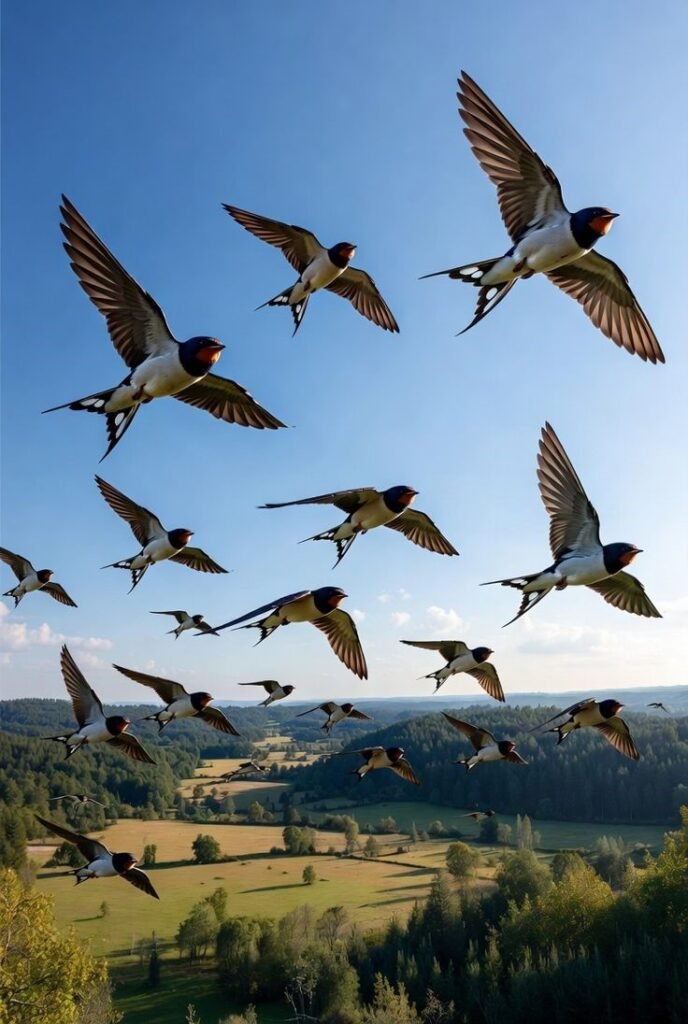
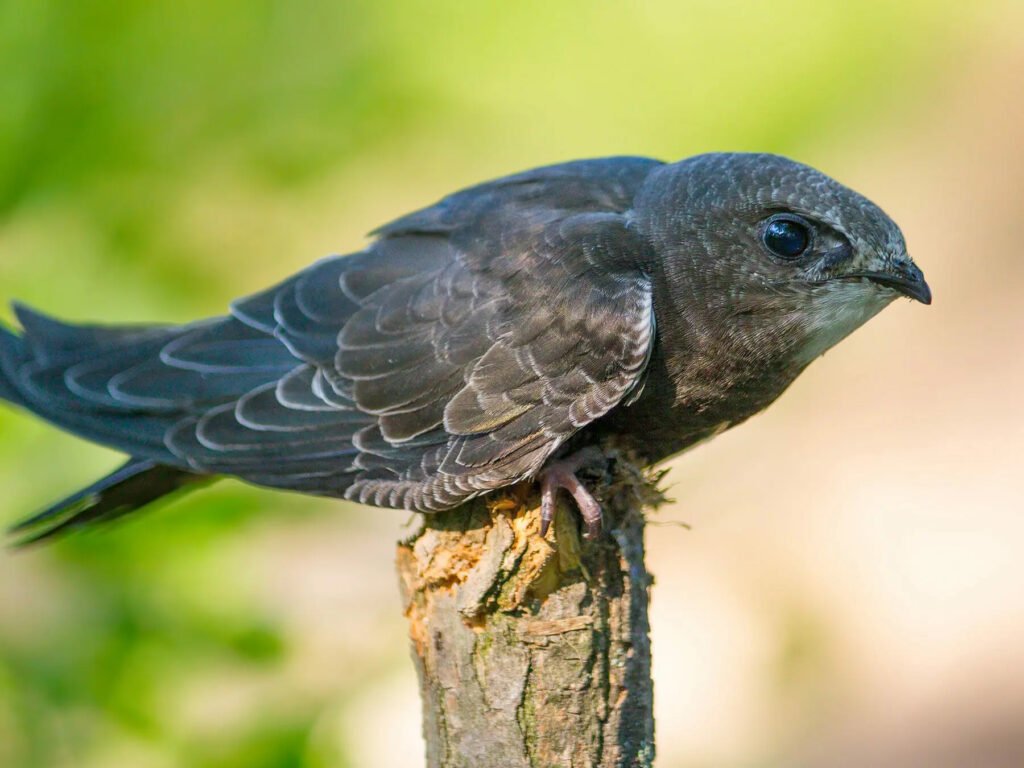
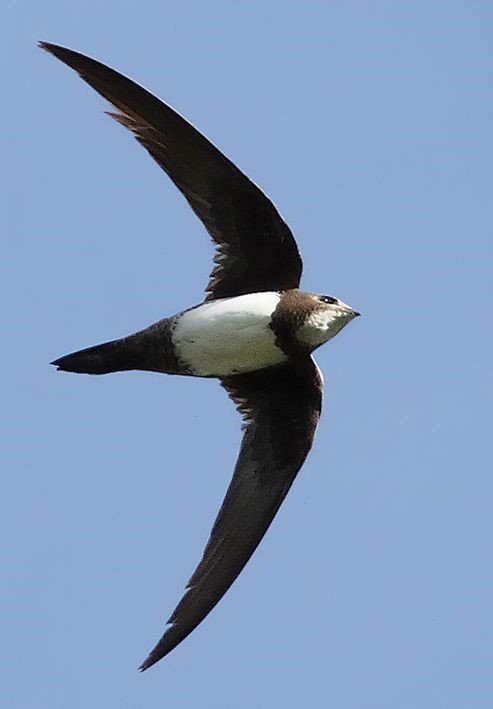
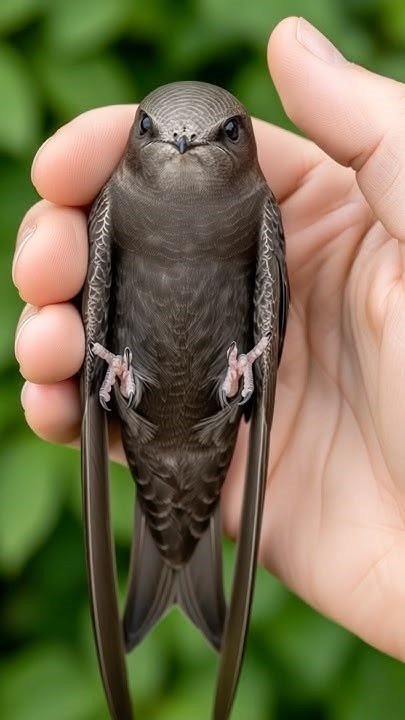
As darkness settles over the ocean, the world below begins to quieten. Waves roll steadily toward the shore, forests become still, and most birds seek the safety of branches, cliffs, or nests. Yet, far above the earth, some birds continue their journey through the night.
Among them are remarkable seabirds that possess an extraordinary ability—the ability to rest while remaining airborne.
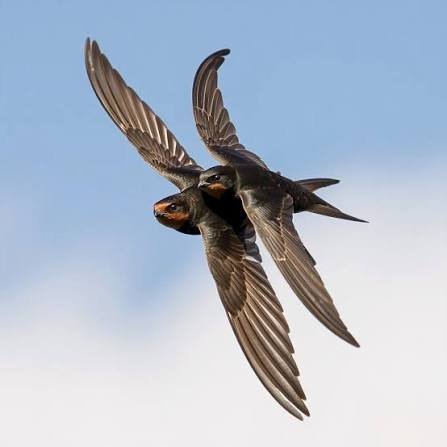
For these birds, the open sky is not merely a pathway between distant destinations; it can also become a place of sleep.
One of the most fascinating examples is the frigatebird, a bird capable of spending weeks over the open ocean while travelling thousands of kilometres. With enormous wings and a lightweight body, it can remain aloft for long periods, using rising columns of warm air to gain height without constantly flapping its wings.
During these long journeys, the bird cannot simply land on the ocean. Its feathers are not well suited to becoming soaked, and taking off again from the water would be extremely difficult. So, when exhaustion arrives, the frigatebird has another solution: it rests while flying.
Researchers have discovered that frigatebirds can sleep during flight for brief periods. They may close one eye and allow one hemisphere of the brain to rest while the other remains active. This remarkable ability, known as unihemispheric sleep, allows the bird to maintain awareness of its surroundings while continuing to navigate through the sky.
The image is almost surreal—a solitary bird drifting silently through the darkness, surrounded by nothing but wind and stars.
But this is not simply a beautiful adaptation. It is a matter of survival.
During long oceanic journeys, birds must carefully manage their energy. They use favourable winds and rising air currents to reduce the effort required for flight. Instead of continuously beating their wings, they glide, circle, and soar, allowing the atmosphere itself to become part of their journey.
As the night deepens, the bird may briefly surrender to sleep. Its body continues to move with the wind, while its partially alert brain maintains enough awareness to respond to changes in its environment.
By dawn, the first light appears on the horizon.
The bird awakens fully, stretches its wings, and continues its journey across the vast blue expanse.
There is something deeply remarkable about this behaviour. Humans associate sleep with stillness—with beds, shelter, and the safety of familiar surroundings. Yet for these birds, rest has evolved differently. Their bedroom is the atmosphere; their mattress is the wind; and their ceiling is the endless sky.
For a bird that spends much of its life above the ocean, the sky is not an empty space.
It is home, highway, shelter—and sometimes, a place to dream.
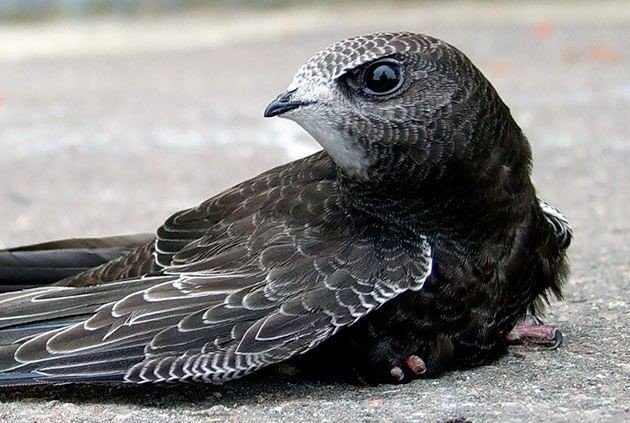
IT HAD NO BED, NO BRANCH, AND NO NEST
THE ENDLESS SKY WAS ITS RESTING PLACE