
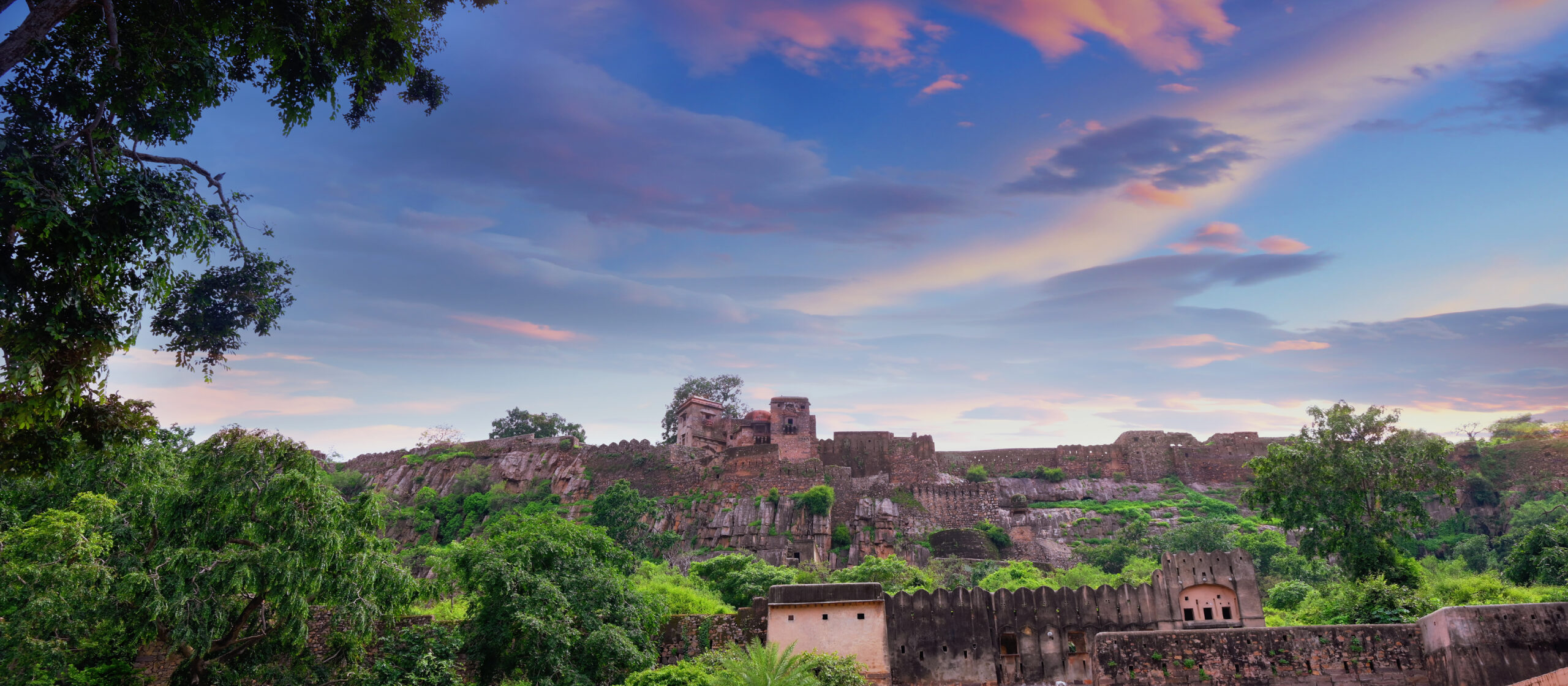
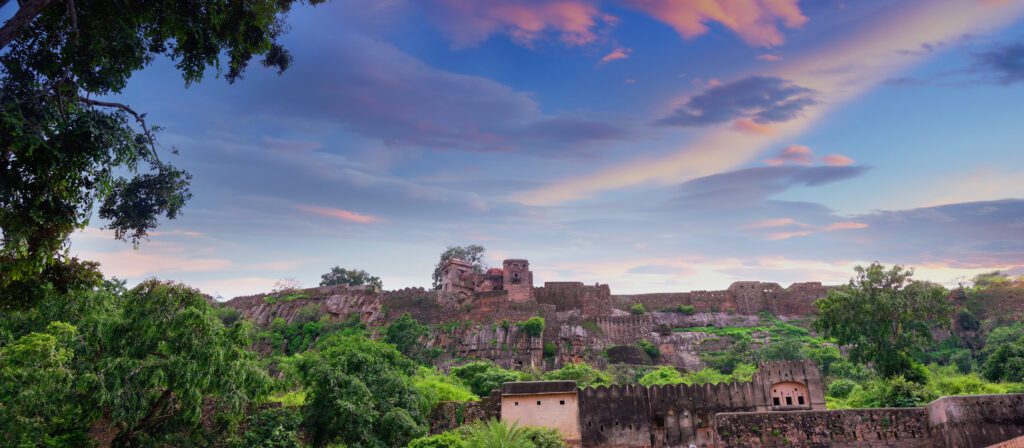
There are very few places in the world where wilderness and history coexist as seamlessly as they do in anthambore National Park. Nestled in the Sawai Madhopur district of Rajasthan, this remarkable landscape is much more than a tiger reserve. Ancient fortifications rise above dense forests, centuries-old temples echo with devotion, lakes reflect forgotten palaces, and the roar of a Bengal tiger reminds visitors that nature has reclaimed what history once built. Ranthambore is not merely a destination for wildlife enthusiasts-it is a journey through nearly a thousand years of Indian history, where every safari offers glimpses of both magnificent wildlife and architectural heritage.

By Lalit Rajora
The Story of Ranthambore Fort
Dominating the landscape from nearly 700 feet above the surrounding plains, the magnificent Ranthambore Fort has watched over these forests for almost a millennium.The fort is believed to have been established around the 10th centuryCE by the Chauhan rulers, although parts of the hill may have been fortified even earlier. Owing to its strategic location overlooking important trade routes between northern and central India, the fort became one of the most formidable strongholds in Rajasthan.
Throughout its long history, the fort witnessed numerous battles involving Rajput kings, the Delhi Sultanate, and later the Mughals.
Jogi Mahal: The Palace Beside the Lake
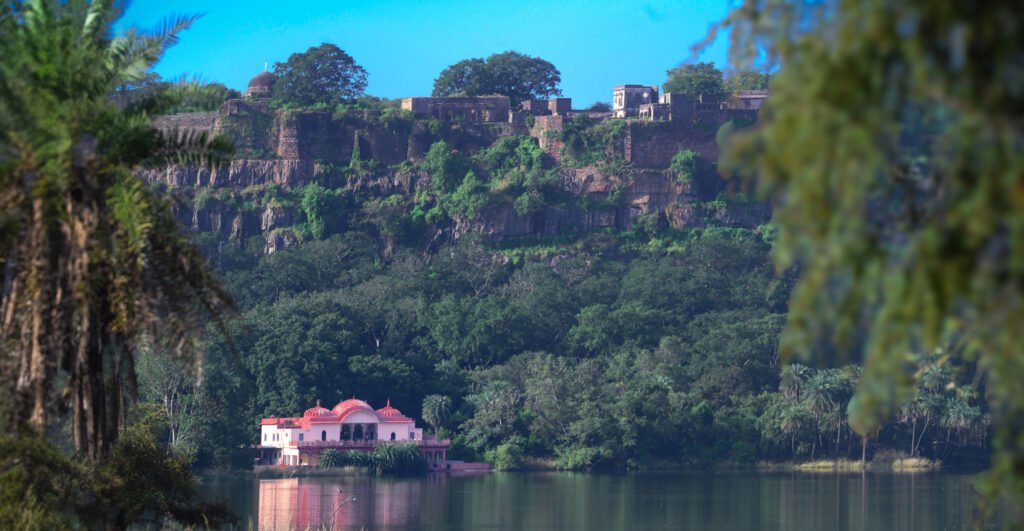
Nestled on the edge of Padam Talao, the elegant Jogi Mahal is one of Ranthambore’s most iconic landmarks.
Originally constructed as a royal hunting lodge by the Jaipur royal family, it later served as a forest rest house for distinguished guests, conservationists, photographers, and researchers.
Its red sandstone architecture reflects classic Rajput aesthetics, perfectly complementing the tranquil waters of Padam Talao.
For decades, wildlife enthusiasts from around the world gathered here, watching tigers emerge silently from the surrounding forest to drink at the lake.
Perhaps even more famous than the building itself is the enormous Banyan Tree standing nearby.
Believed to be one of India’s largest banyan trees, its immense canopy has provided shade to countless visitors over generations.
Although public accommodation at Jogi Mahal is no longer permitted for conservation reasons, the structure remains one of the most photographed heritage buildings inside the park and continues to symbolize Ranthambore’s unique union of history and wilderness.
Hammir Dev Chauhan: The Hero of Ranthambore
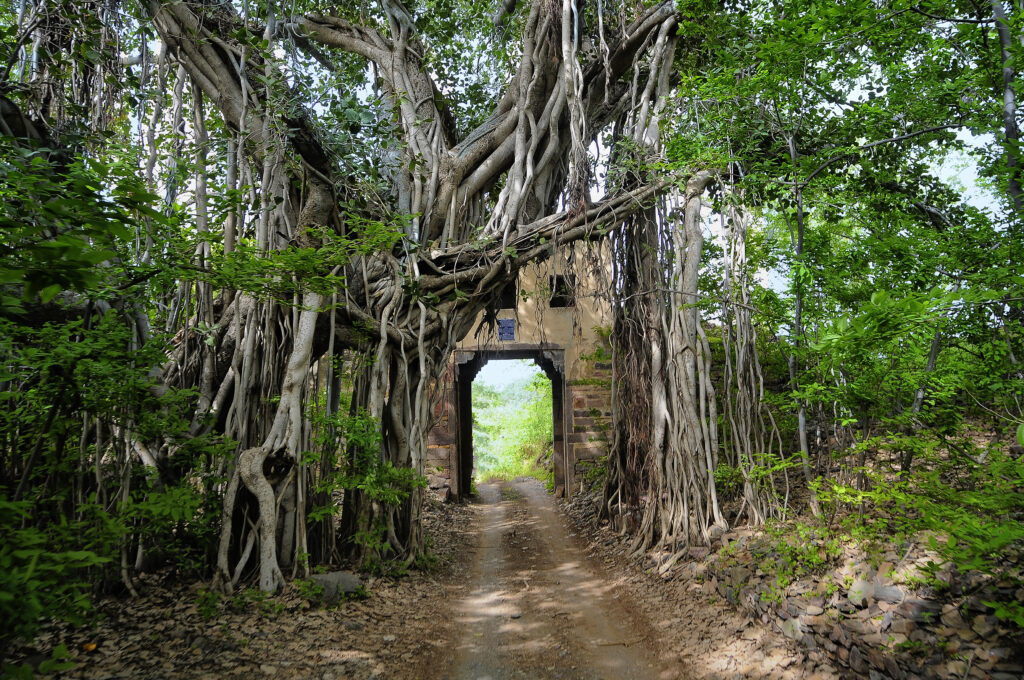
Perhaps the most celebrated ruler associated with Ranthambore was Rao Hammir Dev Chauhan, who ruled during the late 13th century.
Known for his courage and refusal to submit to foreign rule, Hammir transformed Ranthambore into one of the strongest Rajput kingdoms of his time.
The most famous chapter of his reign came in 1301, when Sultan Alauddin Khilji laid siege to the fort after Hammir refused to surrender rebels seeking asylum.
The siege lasted several months.
Despite fierce resistance, shortages within the fort eventually weakened the defenders. According to Rajput traditions, many women committed Jauhar while the warriors rode out in a final battle known as Saka.
Although Alauddin Khilji eventually captured the fort, Hammir Dev became a legendary symbol of Rajput bravery and honour.
From Rajputs to Mughals
After Khilji’s victory, Ranthambore remained under the Delhi Sultanate before eventually passing into Mughal control.
The fort later became associated with the rulers of Jaipur, who used the surrounding forests as royal hunting grounds for centuries.
Ironically, the forests once reserved for royal hunts would later become one of India’s greatest wildlife sanctuaries.
A UNESCO World Heritage Site
In 2013, Ranthambore Fort was inscribed as part of the Hill Forts of Rajasthan, a UNESCO World Heritage Site.
Today, visitors exploring the fort encounter:
- Massive stone gateways
- Ancient defensive walls
- Jain temples
- Hindu temples
- Cenotaphs
- Reservoirs
- Historic palaces
- The famous Trinetra Ganesh Temple, one of Rajasthan’s oldest and most revered Ganesh temples.
Thousands of pilgrims still visit the temple every week, making it one of the few places where wildlife tourism and religious pilgrimage peacefully coexist.
From Hunting Reserve to Tiger Sanctuary
The forests surrounding the fort were once exclusive hunting grounds of the Maharajas of Jaipur.
Following India’s independence, attitudes toward wildlife gradually changed.
Important milestones include:
- 1955 – Declared Sawai Madhopur Game Sanctuary
- 1973 – Included under Project Tiger
- 1980 – Declared Ranthambore National Park
- Later expanded into the larger Ranthambore Tiger Reserve
This transformation represents one of India’s greatest conservation success stories.
The Tigers of Ranthambore
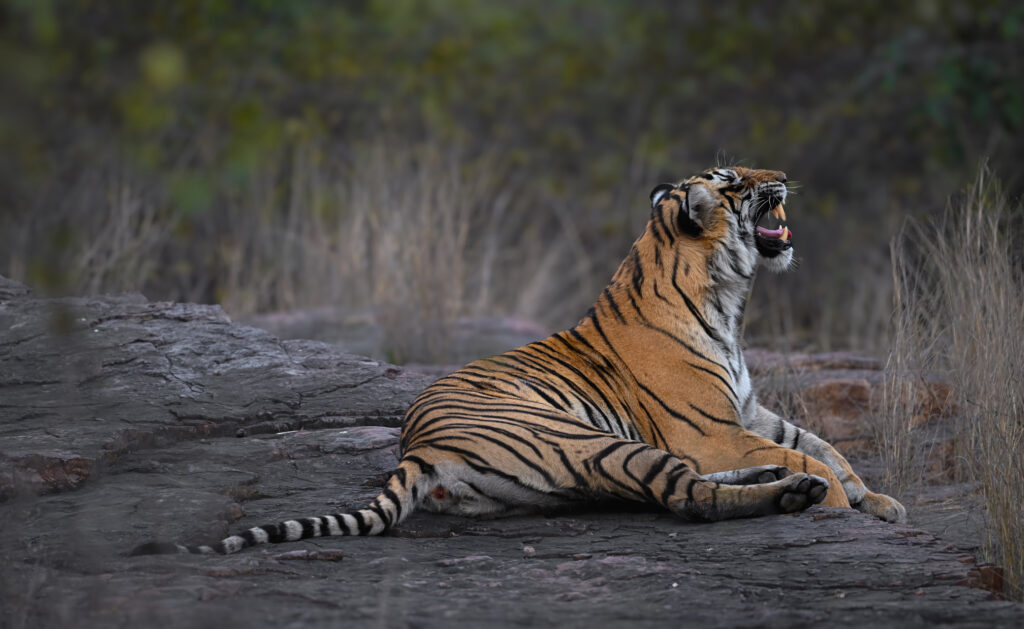

Ranthambore has become globally famous for its Bengal tigers.
Unlike many forests where tigers remain elusive, Ranthambore offers exceptional opportunities to observe them during daylight.
Several factors contribute to this:
- Open woodland habitat
- Reliable water sources
- High prey density
- Protection from poaching
- Tigers accustomed to safari vehicles
Many of India’s most iconic wild tigers have lived here, and generations of photographers have documented their remarkable lives.
Every tiger carries unique stripe patterns, allowing researchers to identify individuals much like fingerprints.
Beyond the Tiger
Although tigers capture most attention, Ranthambore supports an extraordinary diversity of wildlife.
Mammals
- Leopard
- Sloth Bear
- Striped Hyena
- Jackal
- Jungle Cat
- Caracal (rare)
- Nilgai
- Sambar Deer
- Chital
- Wild Boar
- Indian Hare
Reptiles
- Mugger Crocodile
- Monitor Lizard
- Indian Rock Python
- Cobra
- Rat Snake
Birds
More than 300 species of birds have been recorded.
Common sightings include:
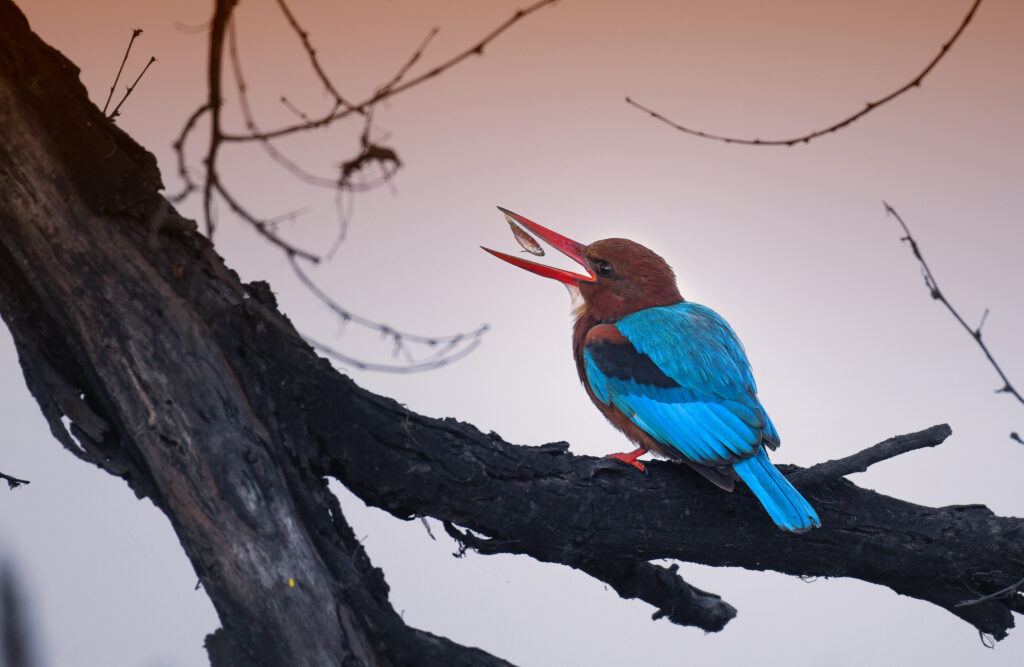
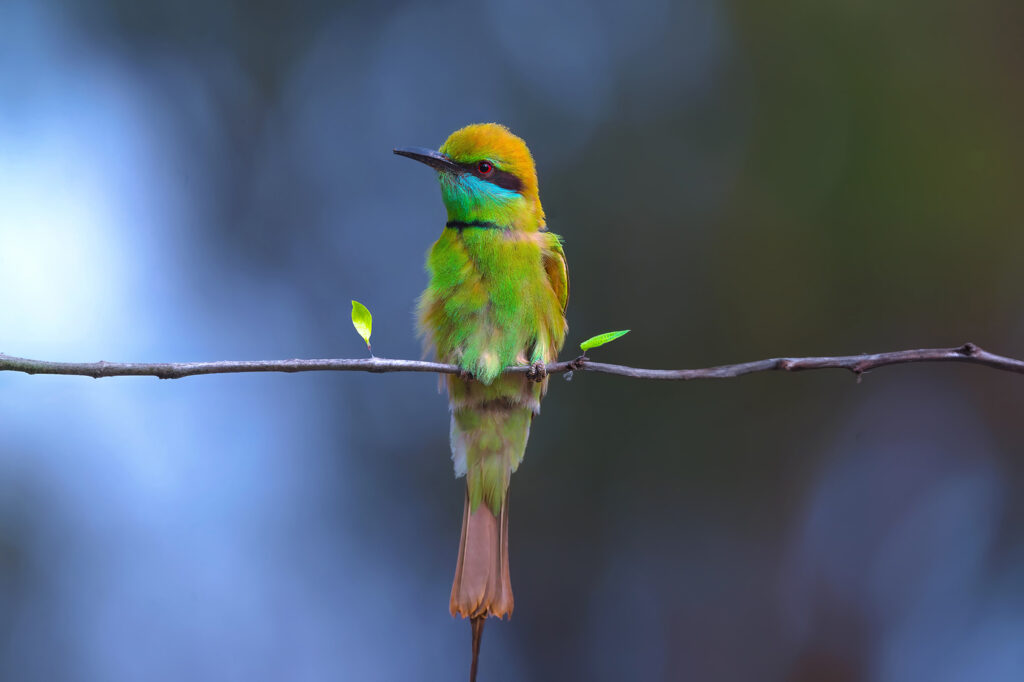
- Painted Stork
- Woolly-necked Stork
- Grey Heron
- Indian Cormorant
- Kingfishers
- Crested Serpent Eagle
- Changeable Hawk-Eagle
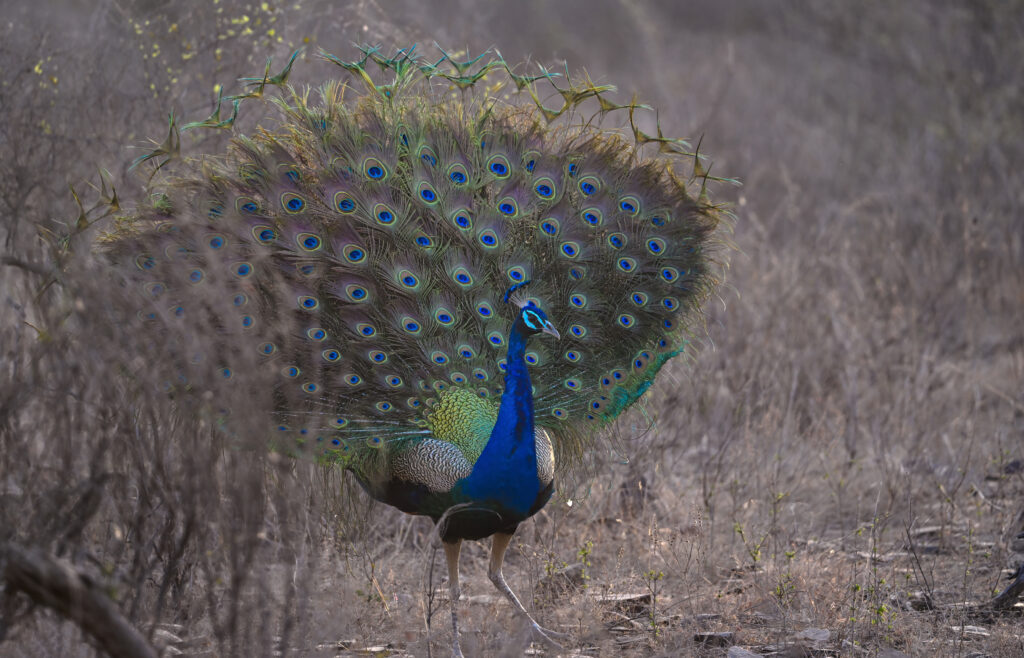
- Peafowl
- Owls
- Numerous migratory waterbirds during winter.
The lakes become especially vibrant during the migratory season.
Lakes That Tell Stories

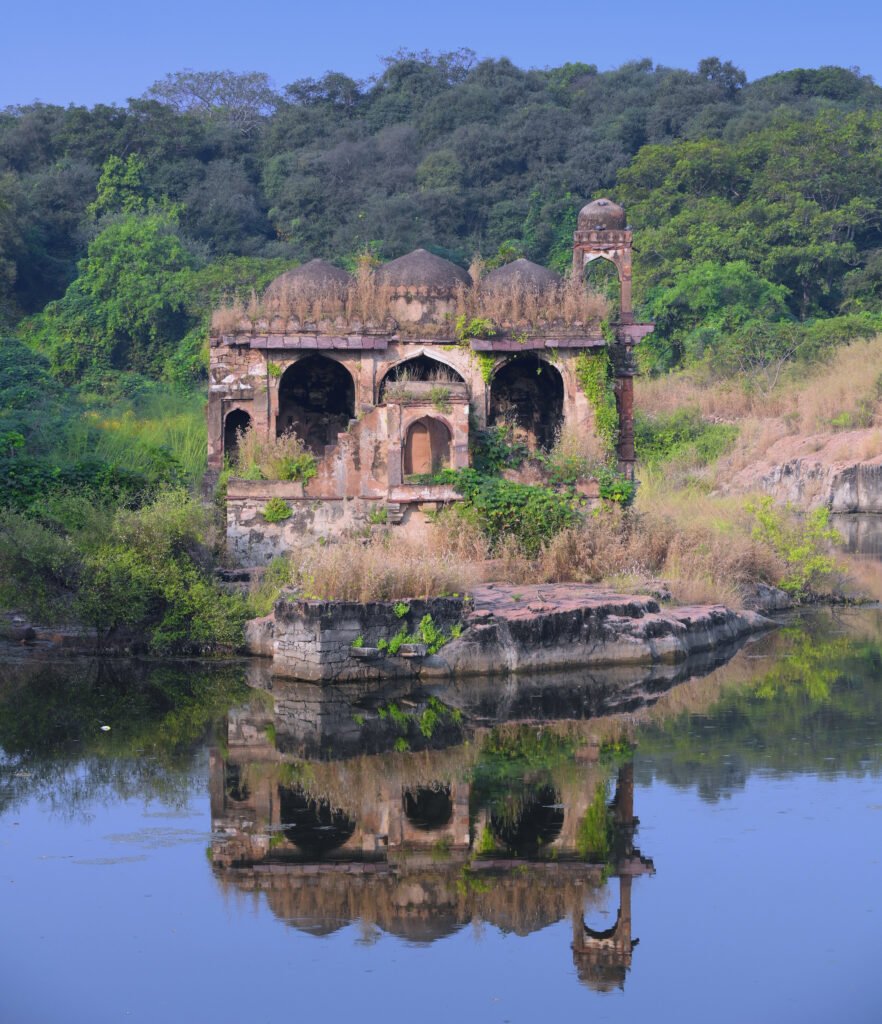
Among Ranthambore’s most enchanting locations is Rajbagh Talao, where ruined pavilions emerge from the water amidst ancient trees.
These haunting structures create one of India’s most iconic wildlife landscapes. It is not uncommon to witness a tiger walking silently past centuries-old ruins, while crocodiles bask nearby and kingfishers dive into the still waters.
Padam Talao, the park’s largest lake, offers breathtaking reflections of the surrounding hills and often provides unforgettable sightings of deer, crocodiles, birds, and occasionally tigers approaching the shoreline.
A Paradise for Wildlife Photographers
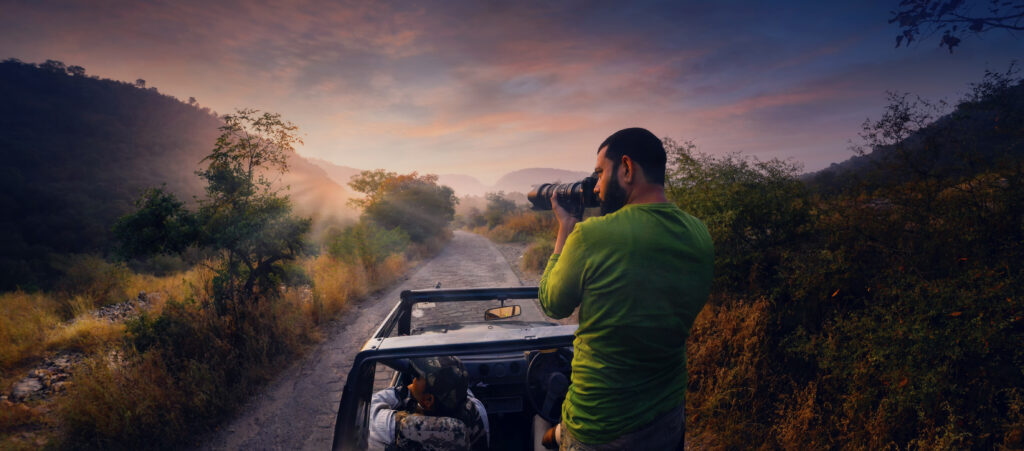
For photographers, Ranthambore offers an extraordinary blend of wildlife and heritage.
Unlike most tiger reserves, subjects frequently appear against dramatic backdrops of forts, temples, lakes, and ancient ruins.
The changing seasons provide distinctly different photographic opportunities:
- Summer: Excellent tiger sightings around waterholes.
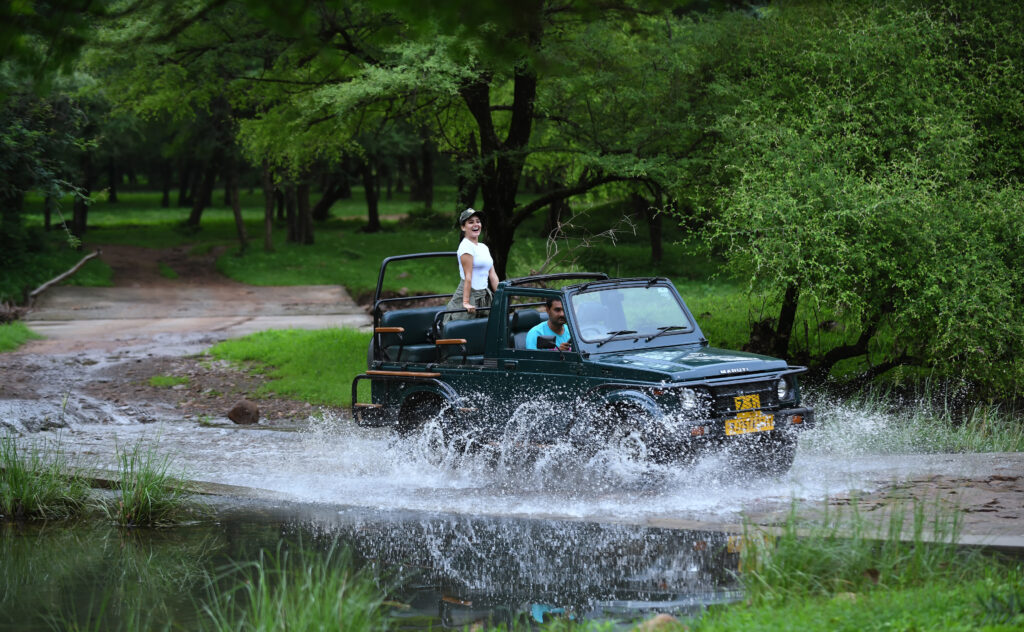
- Monsoon: Lush greenery and dramatic skies (the core park remains closed during much of the rainy season).
- Winter: Pleasant weather, migratory birds, atmospheric morning light, and beautiful reflections.
Golden-hour light transforms the ancient sandstone cliffs into glowing shades of amber, creating unforgettable compositions.
Conservation Challenges
Despite its success, Ranthambore faces ongoing conservation challenges.
Growing tourism, habitat fragmentation, increasing human-wildlife interactions, and the need for expanding wildlife corridors require careful management.
Conservation efforts today focus not only on protecting tigers but also on preserving the entire ecosystem that supports them.
The continued success of Ranthambore depends upon balancing tourism, local livelihoods, and long-term ecological sustainability.
Where Nature Meets History
Few landscapes illustrate India’s rich heritage as completely as Ranthambore.
Here, medieval fortifications overlook thriving forests. Ancient temples continue to receive prayers while tigers patrol the valleys below. Ruined palaces reflect in peaceful lakes where crocodiles bask and migratory birds gather.
Ranthambore is not simply a national park—it is a living museum where history and wilderness exist side by side. Every sunrise over the fort, every tiger emerging from the forest, and every reflection shimmering across Rajbagh Lake tells a timeless story of resilience, survival, and the enduring beauty of India’s natural and cultural heritage.