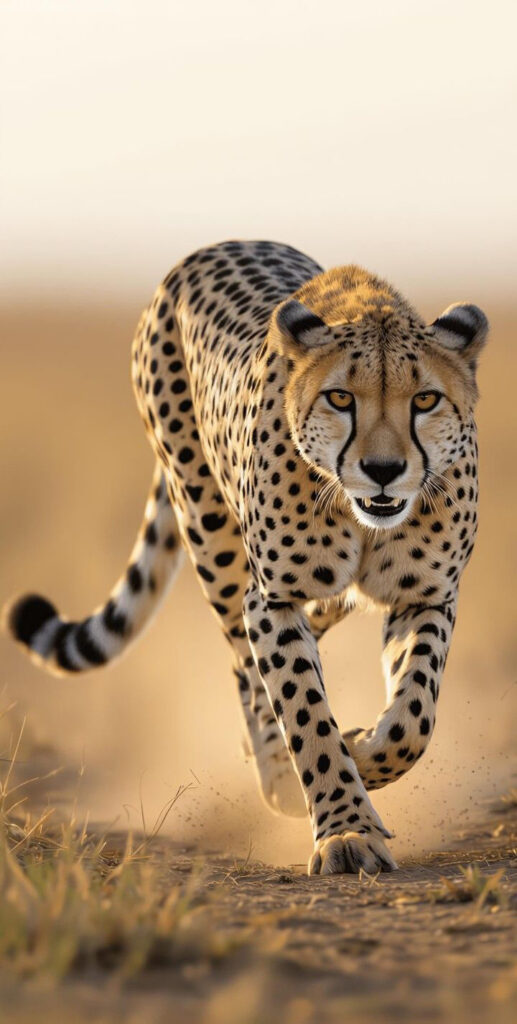
Long before the world watched African cheetahs return to India’s wilderness, the princely state of Kolhapur had already written an extraordinary chapter in the history of wildlife conservation and royal hunting. At the dawn of the twentieth century, Chhatrapati Shahu Maharaj introduced African cheetahs to his kingdom, creating one of the most remarkable yet little-known stories in India’s wildlife heritage.
Today, the reintroduction of African cheetahs into Kuno National Park has revived public interest in the species’ historical presence in India. While the modern conservation initiative focuses on ecological restoration, Kolhapur’s experience offers a fascinating glimpse into a time when African cheetahs lived, adapted, and became an integral part of royal hunting traditions.
A Vision Born from Royal Encounters
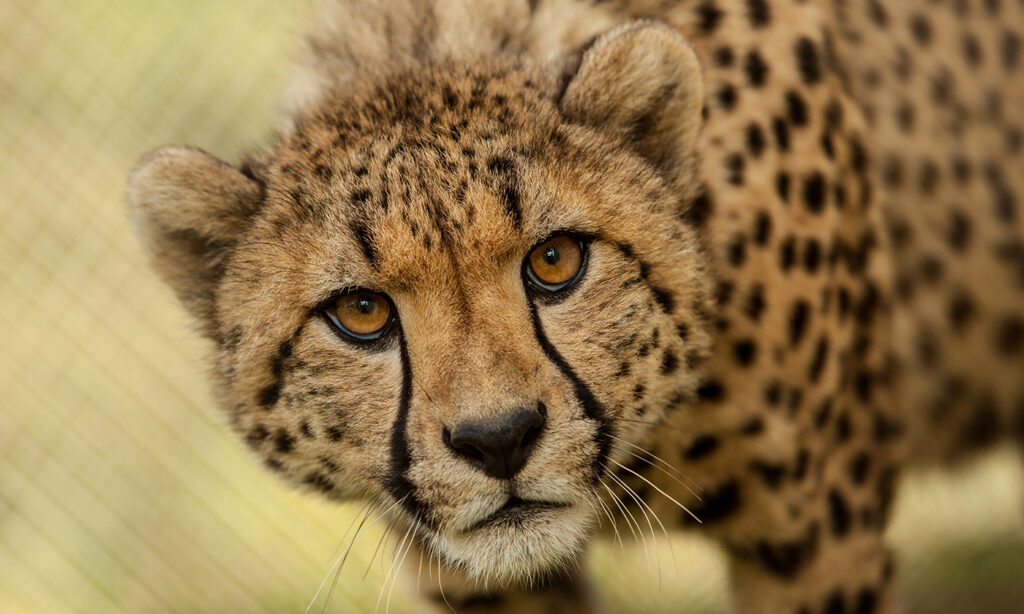
According to historical accounts, Shahu Maharaj’s fascination with cheetahs began during a visit with the Maharaja of Bhavnagar, where he witnessed the remarkable speed and hunting skills of trained cheetahs. Impressed by their agility and precision, he decided to introduce the species to Kolhapur.
The African cheetahs were procured from Nairobi, then a prominent trading center for wild animals. The animals were transported by sea to Mumbai and then carefully moved by rail in specially designed containers to Kolhapur. This remarkable logistical effort reflected the Maharaja’s determination to establish a well-trained population of hunting cheetahs within his state.
Building Kolhapur’s “Chittekhana”
To house and train these magnificent animals, Shahu Maharaj established a dedicated facility known locally as the Chittekhana or Cheetah Karkhana. Located where Vikram High School now stands, the complex became one of the few organized cheetah-training centers in India.
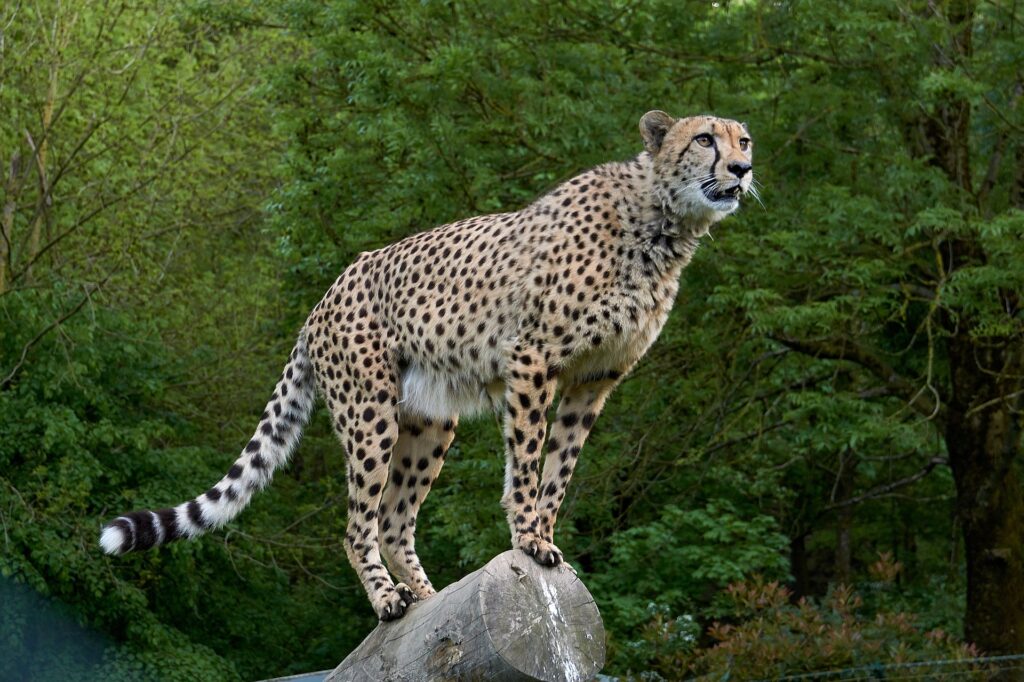
Historical records suggest that between 1900 and 1940, Kolhapur maintained a population of nearly sixty to seventy African cheetahs. Each animal received dedicated care, with five attendants assigned on a rotational basis to ensure proper feeding, health, and training.
Several of the cheetahs became well known by name—Star, Bhawani, Shankar, Lakshmi, Ganpya, and Veermati—reflecting the close relationship that developed between the animals and their handlers.
Masters of the Hunt
Unlike tigers or leopards, cheetahs were not used for dangerous confrontations with large predators. Instead, they were carefully trained to hunt blackbucks across Kolhapur’s expansive grasslands.
Specialized trainers, known as Chittawans, were first sent to Bhavnagar to learn the techniques of handling and training cheetahs. Upon returning to Kolhapur, they developed a systematic training program that transformed wild African cats into skilled hunting companions.
During royal hunting expeditions, the cheetahs would be transported to suitable grasslands and released when blackbucks came within striking distance. Their unmatched acceleration and agility made them exceptionally effective hunters, providing both spectacle and demonstration of careful animal training.
Memories Preserved Through Oral History
Much of this remarkable history has survived through oral accounts documented by researcher and author Yashodhan Joshi in his Marathi book Athwanitil Shikar.
Joshi’s research includes interviews with Lilavati Jadhav, a member of the extended royal household who participated in hunting expeditions. Even in her nineties, she vividly recalled the organization of royal hunts, the handling of horses and cheetahs, and the discipline required to train these extraordinary animals.
Her recollections reveal that while tiger hunting often involved waiting from elevated platforms, hunting with trained cheetahs demanded coordination, speed, and extensive preparation, making it a distinctive royal pursuit.
A Forgotten Chapter in Wildlife History
The presence of African cheetahs in Kolhapur demonstrates that the species was capable of adapting to Indian climatic conditions decades before modern conservation efforts. Although these animals were introduced primarily for royal hunting rather than ecological restoration, they successfully lived and functioned within the region for several decades.
Their story also reflects the global connections maintained by Indian princely states during the colonial era. Transporting wild animals across continents, establishing specialized training facilities, and maintaining professional handlers required considerable administrative planning and resources.
Legacy in the Modern Era
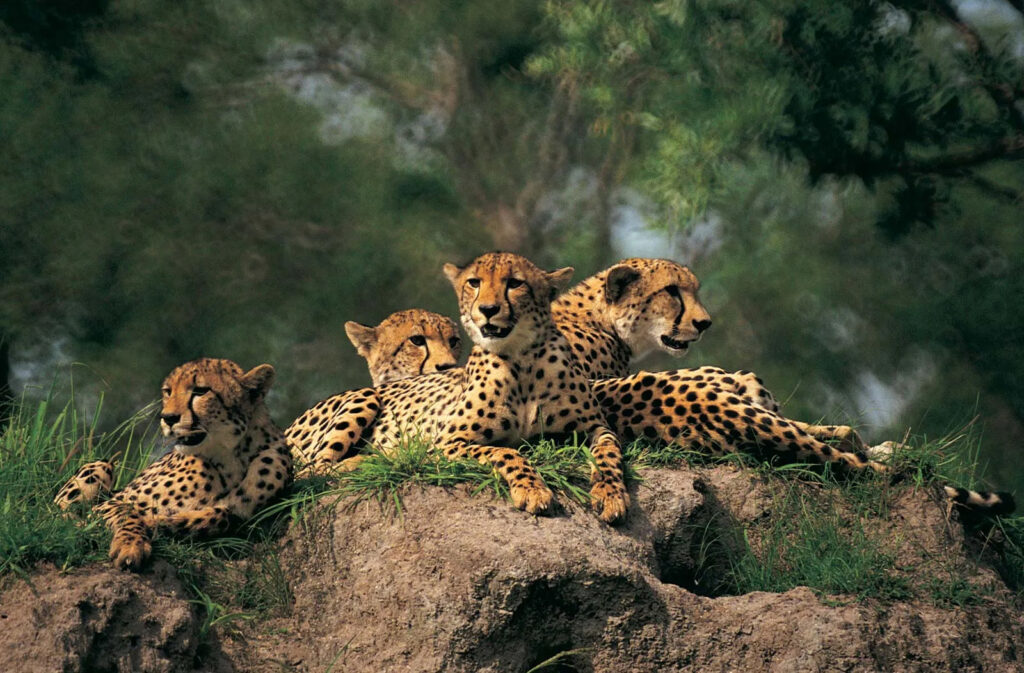
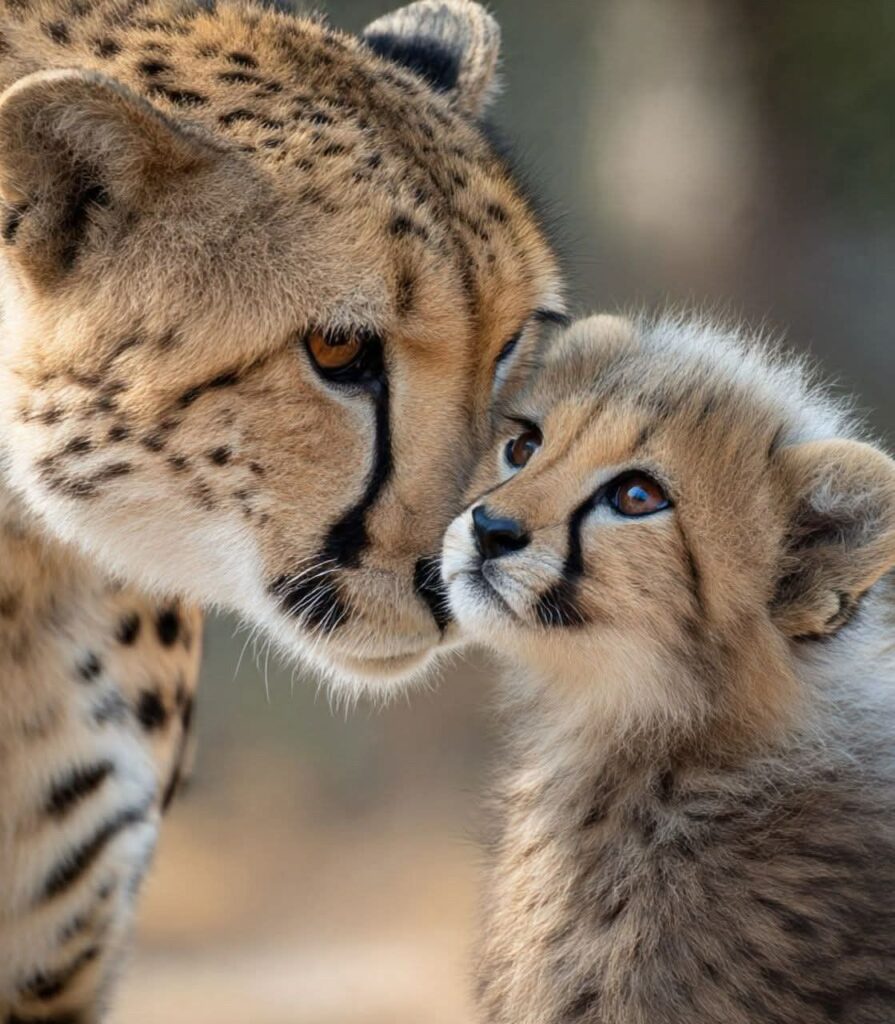
The extinction of the Asiatic cheetah from India in the mid-twentieth century brought an end to centuries of association between the subcontinent and the world’s fastest land animal. However, the recent reintroduction of African cheetahs into India’s protected landscapes has renewed interest in historical precedents such as Kolhapur’s remarkable experiment.
While today’s conservation philosophy rightly emphasizes biodiversity restoration rather than hunting traditions, the story of Shahu Maharaj’s cheetahs remains an important part of India’s environmental and cultural history. It reminds us that wildlife has long shaped royal traditions, scientific curiosity, and conservation debates in the country.
Kolhapur’s forgotten cheetahs stand as a testament to an era when visionary rulers forged unexpected links between Africa and India, leaving behind a legacy that continues to intrigue historians, wildlife enthusiasts, and conservationists alike.