Text & Photos by Purnima Sharma
Tucked away in a quiet little corner of Maharashtra lies a small town that once stood tall in the chapters of history. We’re talking about Junnar that lies towards the north of Pune that could easily be referred to as one of the State’s most underrated gems.
Junnar surprises visitors with a history that seems layered like a venerable manuscript, hills that appear to be whispering tales of valour and sacrifices, and innumerable boulders and stones that you feel are directing you towards paths traversed by ancient traders, monks, academicians and intrepid warriors.
As you would have gathered by now — Junnar isn’t just any regular small town. Its history goes back nearly 2,000 years. In fact, during the Satavahana period, it was a significant trade and political centre. Imagine caravans passing through its bustling streets, merchants getting off not just to rest but also to strike good deals, and yes, the soft chants of monks in the serene environs of its rock-cut caves.
Let’s take a look at some of the major landmarks of Junnar.
CENTRES OF
LEARNING
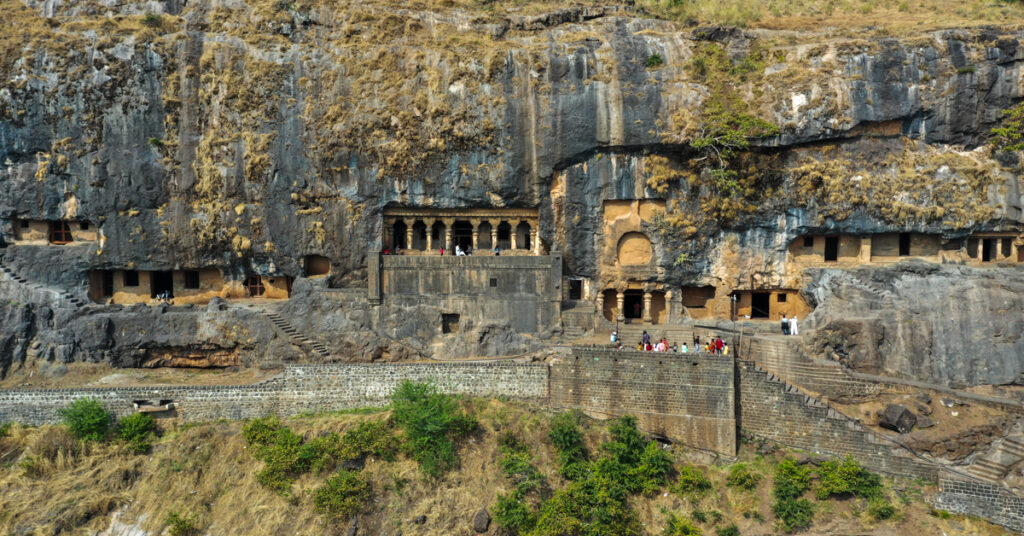
Anyone here will proudly tell you that Junnar could be called the capital of rock-cut caves in India. There’s an impressive number of over 200 of them hidden among its picturesque hills!
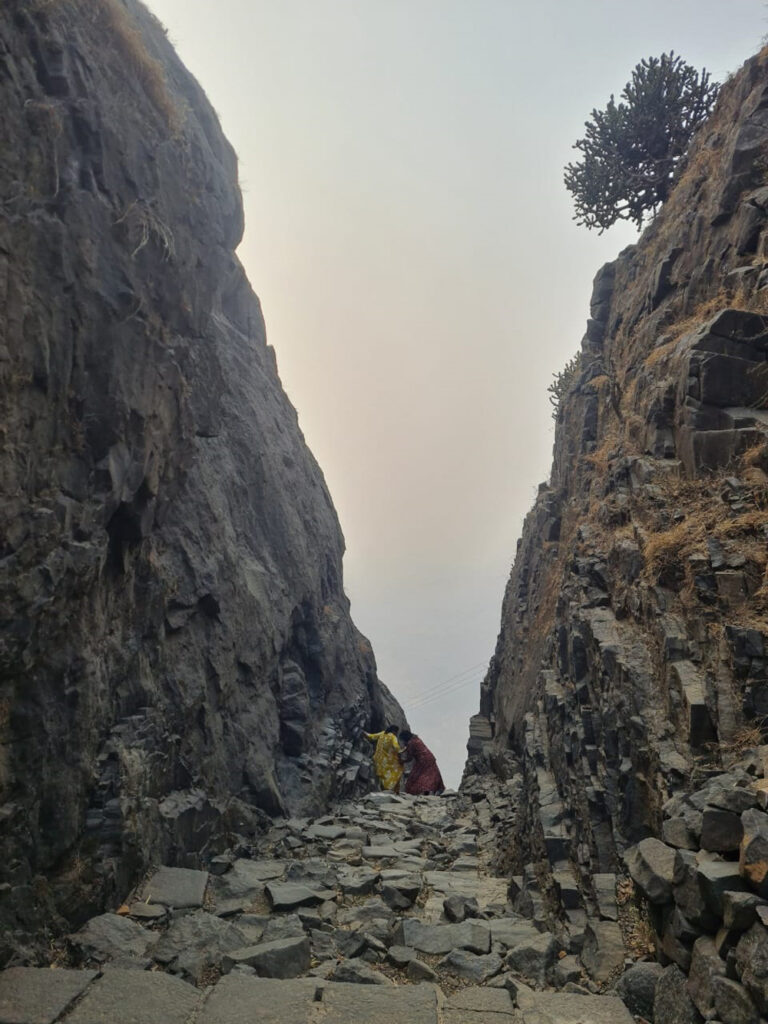
A 2.5 km long trek over a path of wobbly stones takes you down to Naneghat — a cluster of ancient rock-cut caves. But it’s a good idea to first take time out to sit near the entrance of the Naneghat mountain pass and admire the dramatic cliffs of the Malshej Ghat, that’s a part of the Western Ghats range.
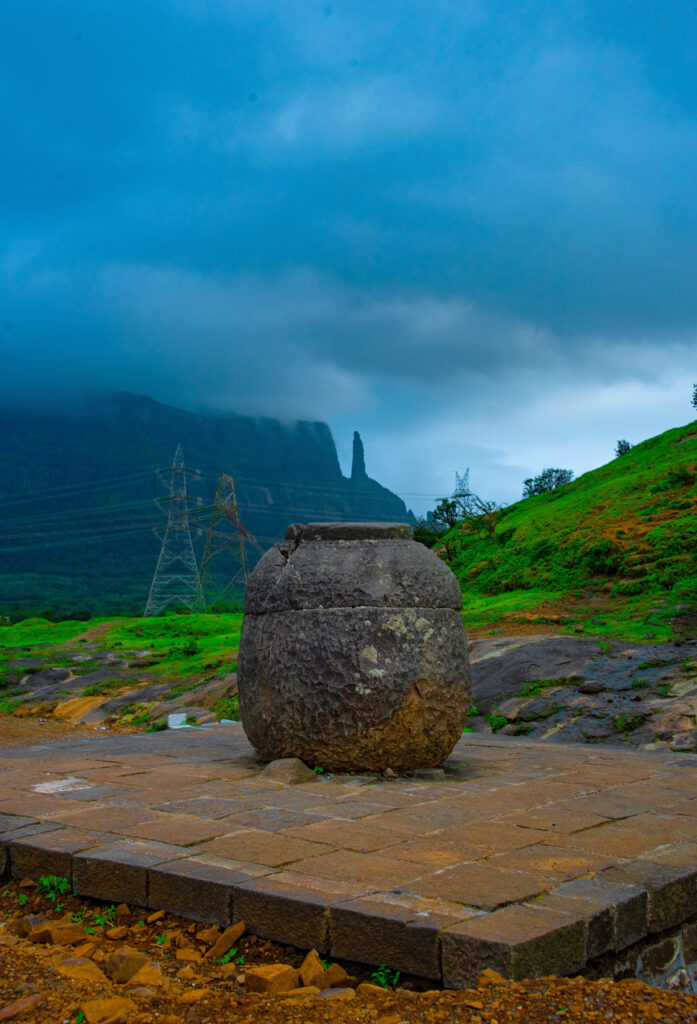
History tells us that this was a strategic trade route used between 220 BCE and 190 CE. The caves down below served as a much-needed resting place for traders. A large stone vessel called Jakatica Ranjan that stands tall at one end of the pass was once used to collect toll tax from all those who used the Pass. A local lad tells us that its name comes from the word ‘nane’ that means ‘coin’, and ‘ghat’ that could simply be translated as ‘pass’.
The caves down below are famous for their ancient Brahmi inscriptions inscribed on its walls. It is fascinating to learn that some of these inscriptions reveal the world’s oldest numeration symbols for ‘2, 4, 6, 7, and 9’ that resemble the numerals used in the present day.
Another famous group of caves lying just about 40kms away is Lenyadri that also go back to the time of the Naneghat Caves. Our host, Sanjay Naik and his wife Shweta of Nisarga Tourism tell us that because of intensive efforts by Maharashtra Tourism, footfalls to these caves, and of course, Junnar, are increasing manifold.
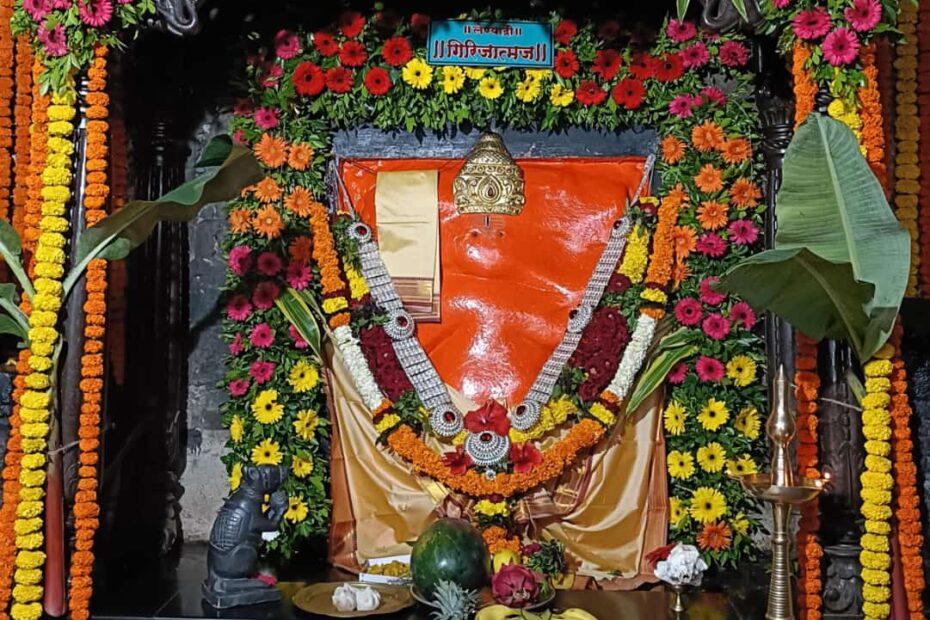
At a later date, one of the caves here came to house one of the eight revered Ashtavinayak temples — the Girijatmaj form of Lord Ganesha. Needless to say, despite the arduous climb, devotes throng the place.
A short walk over a tough dirt track in the Van Vibagh area takes you towards the Amba-Ambalika Caves and the adjacent Bhoot Caves, dating, once again, to the period between 2nd to the 3rd century CE.
Sitting atop a little hillock, these caves are great examples of the region’s ancient Buddhist heritage. But later, as our guide Siddharth tells us, these caves came to be associated with Goddesses Amba and Ambika, hence the name.
Originally, these caves were created both as prayer halls as well as living quarters. The simplistic carvings, stone benches and water cisterns are reflective of the tough, monastic life of the erstwhile Buddhist monks.
The adjacent Bhoot Caves, we are told, have nothing to do with ghosts or the supernatural. The name is believed to have come from local folklore— from the stories that locals made up in later periods.
ABODE OF A GREAT WARRIOR
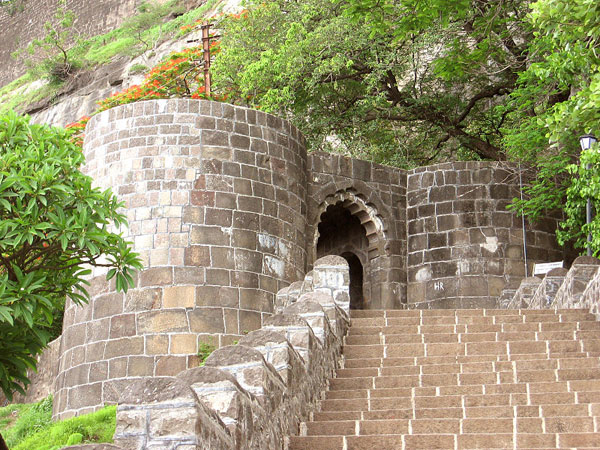
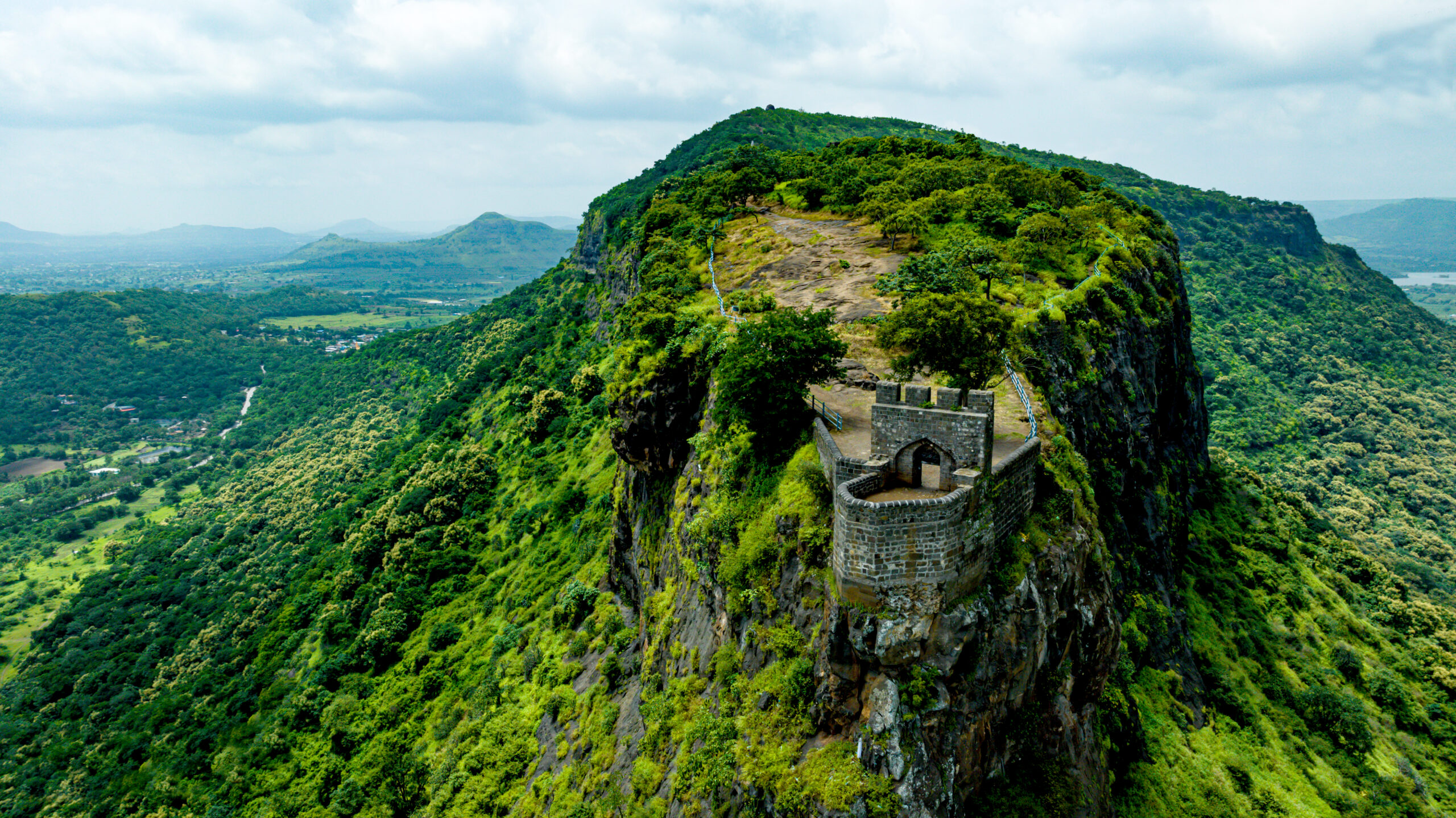
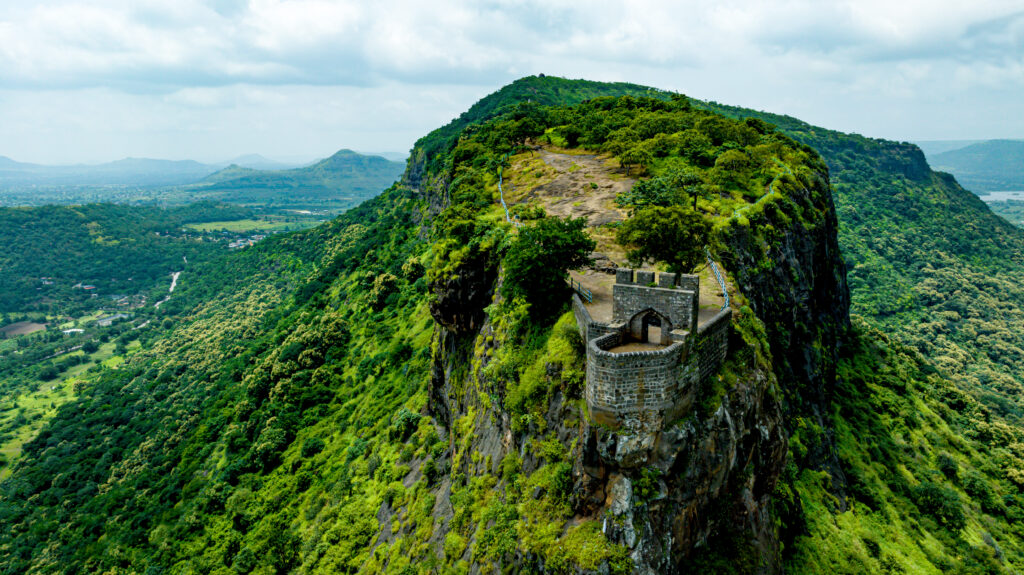
Straddling a 3,000-feet high hill, stands the imposing Shivneri Fort that is the pride and joy of Junnar. A long winding road that lets cars and buses go up to a certain point also remains crowded by the number of enthusiastic trekkers and walkers who merrily walk chanting “Jai Bhawani, Jai Shivaji” at the top of their voices.
After a checkpost where you need to enter your details, a long, arduous climb of over 350 rocky, uneven steps awaits you.
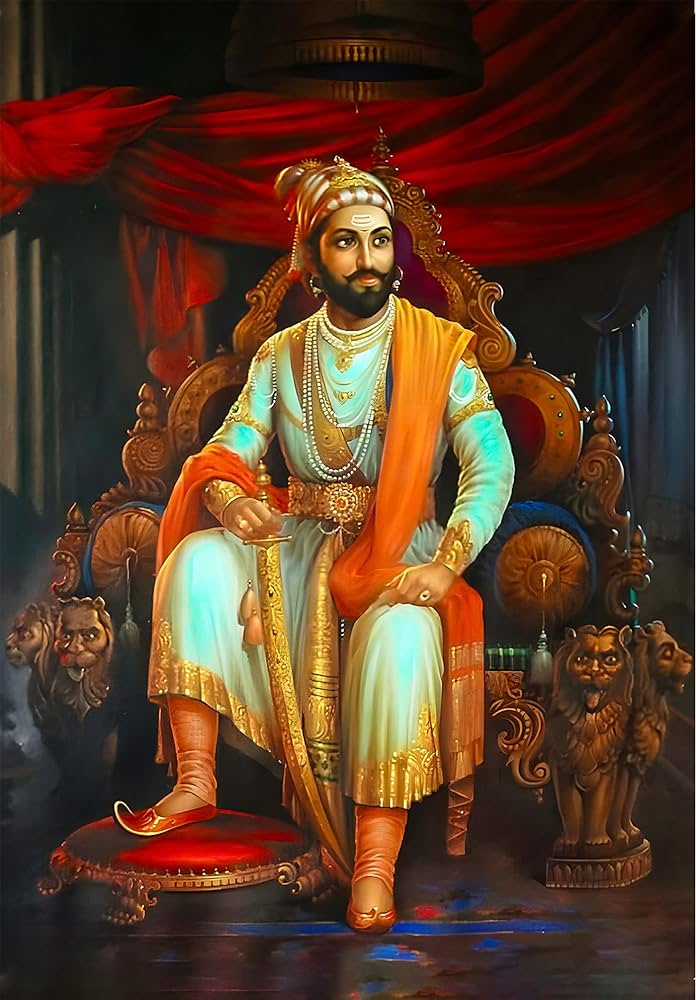
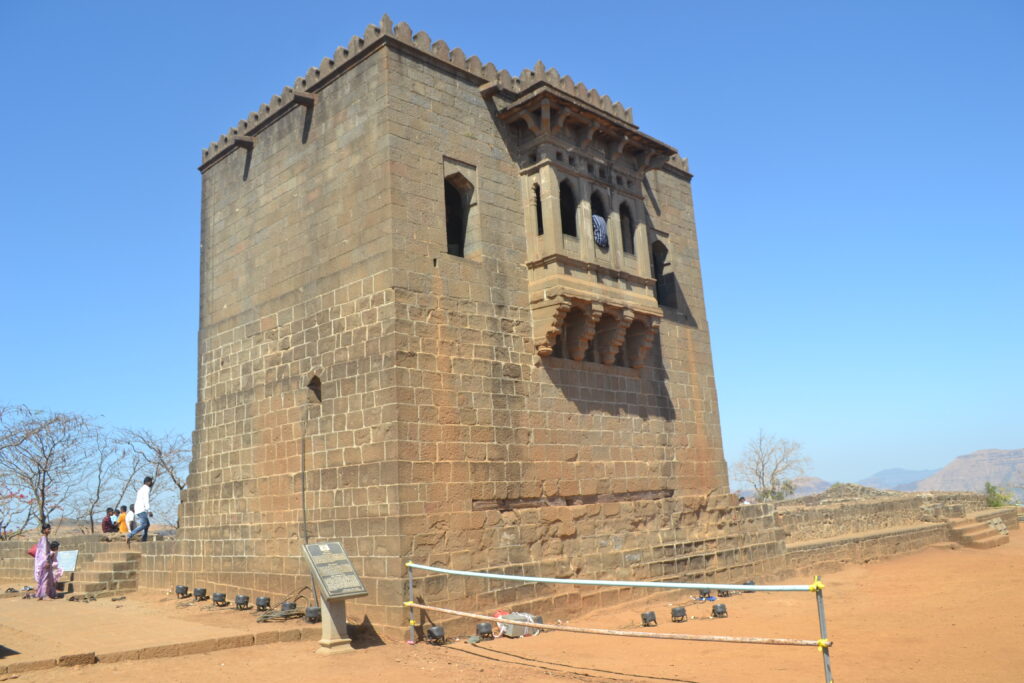
Shivneri Fort is the birthplace of Chhatrapati Shivaji Maharaj, the founder of the Maratha Empire. Stepping into its haloed precincts is like a walk into the times of this great leader. You are sure to be impressed by its defensive architecture that boasts seven massive gates, and sturdy stone walls that seem to come alive with Shivaji Maharaj’s presence at every turn.
The Fort also has statues of Jijabai and young Shivaji together with year-round water from Ganga-Jamuna springs and the Badami Talav, besides hidden passages, and bastions that are perfect showcases of the Maratha defence system.
PALACE OF DREAMS
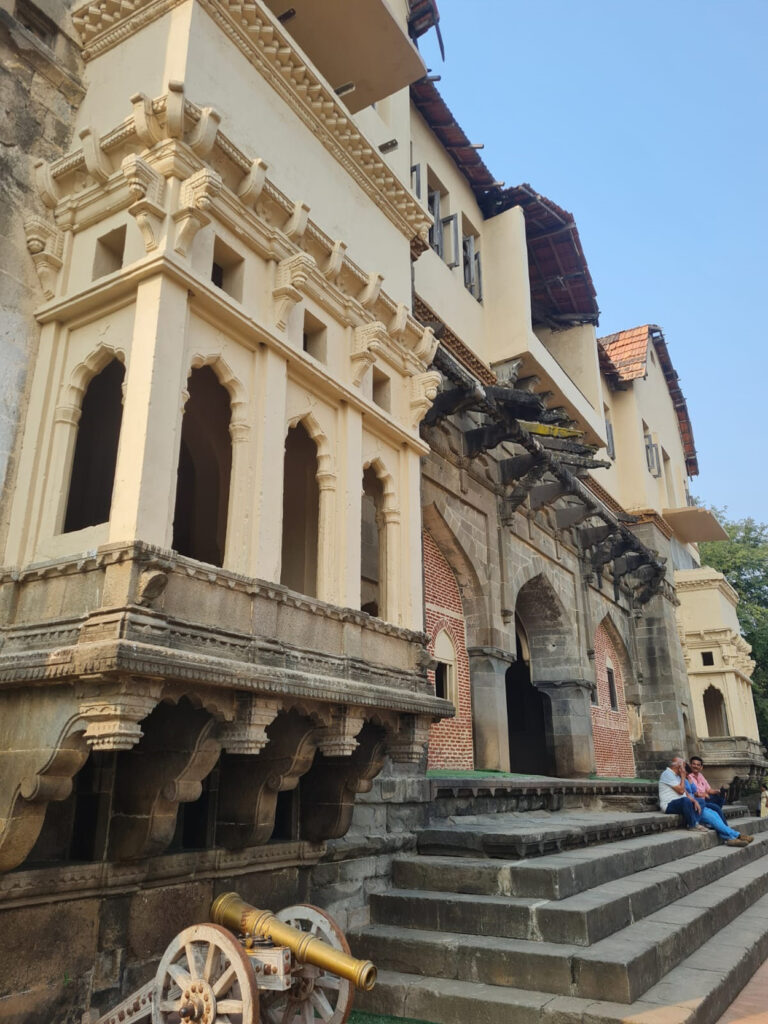
Another feather in Junnar’s cap is the 400-year-old Habashi Mahal. Surrounded by beautiful gardens, this palace was built by Malik Amber who was brought in as a slave from Ethiopia. And it was only a matter of time that this young lad rose in the ranks to become not just a prominent military leader but also the wazir of Nizamshahi.
Made of mainly limestone, bricks and stone, the Habashi Mahal’s architectural style is reminiscent of Mughal styles especially when you look at its carved jharokha-style windows, intricate carvings, pillars and waterbodies.
With restoration work going on in full swing, the pretty place has become a favoured spot for pre-and-post-wedding shoots. Wonder what Mughal Emperor Aurengzeb — who is believed to have stayed here for over a decade — would have had to say to that?
BACK TO THE ROOTS
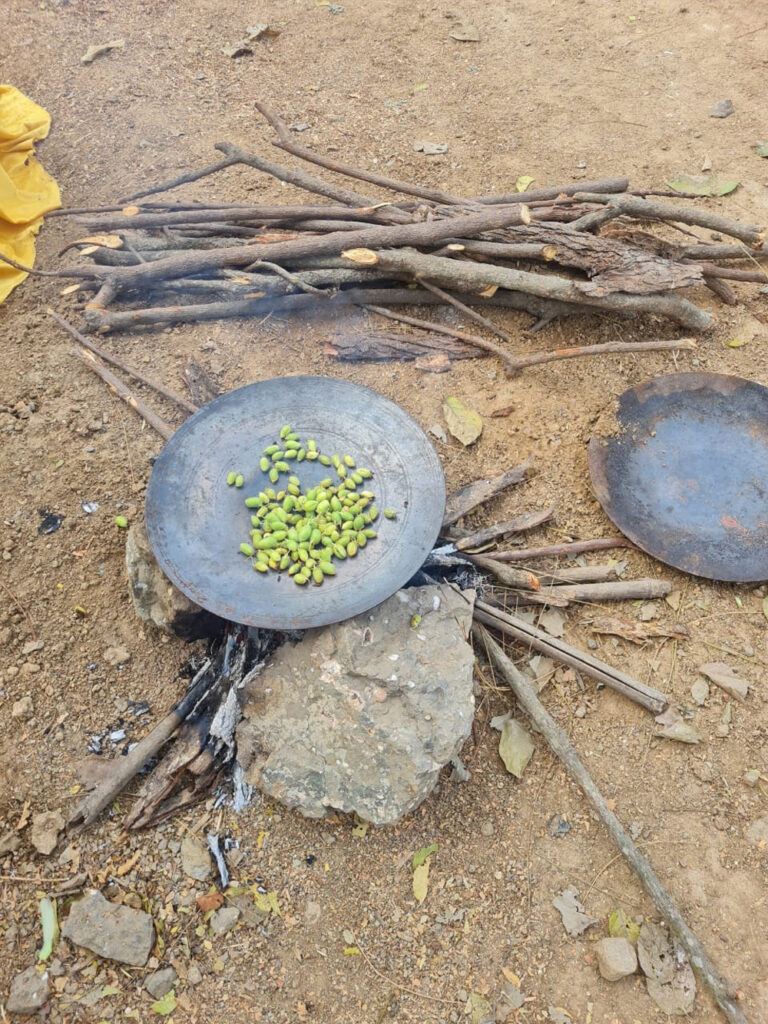
A visit to Junnar is not complete without a taste of Maharashtrian rural life. A short drive past lush green fields takes you towards the beautifully spread out Bajind Agri Tourism Village.
Spread over five-and-half acres, it is run by the Mandlik family. Guests walking in are greeted by brothers Pranab and Akshay. They then sit in the living area that has a little shop in one corner selling organic stuff including gur, pickles, papad, jaggery prepared at the farm itself, and savour some refreshing lime juice served in tamba glasses.
Together, the brothers offer guests a chance to experience and enjoy authentic rural life, complete with accommodation. They can go out, sit on charpoys under the shade of trees and, of course, work in the fields. “Most of those who come here find it a very therapeutic experience — walking in the fields, and even helping with the sowing, planting and harvesting of crops,” says Pranab.
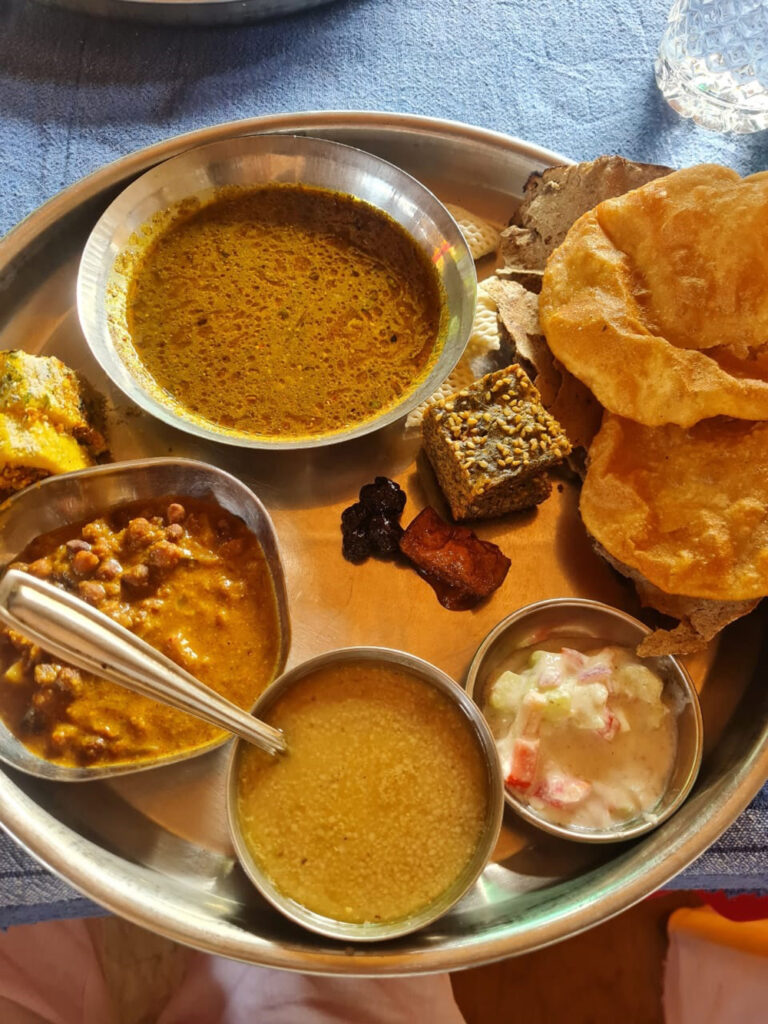
The experience is not complete without a taste of authentic village food that the dining area offers. The vegetarian feast includes masavadi, harabhara kebab, kothimbir vadi, rice, bajra roti, gehu lapsi kheer… the taste of this feast is sure to remain with guests long after they get back to their homes in the city.