
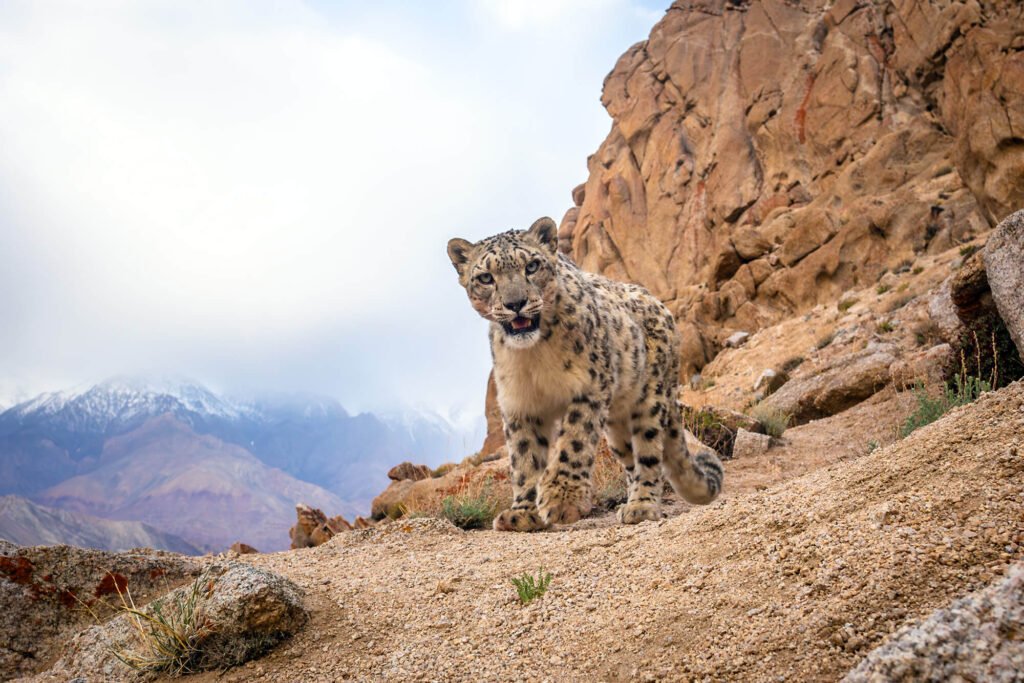
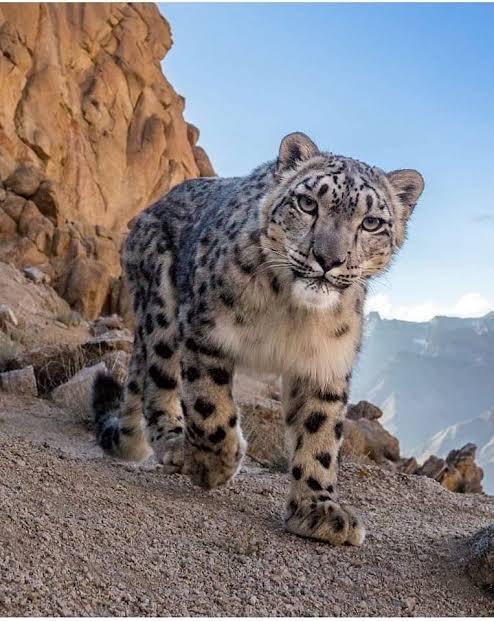
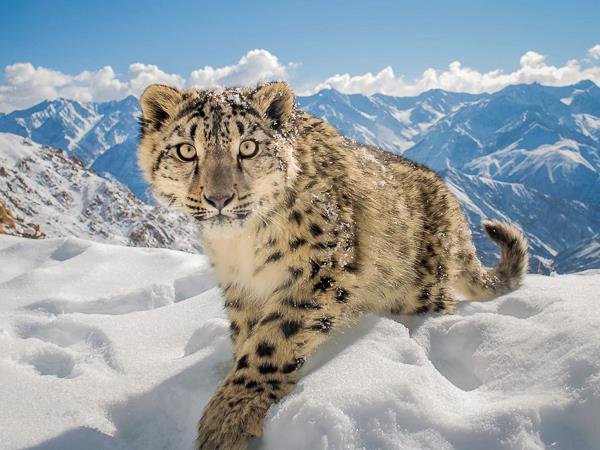
On International Snow Leopard Day, new research and conservation initiatives across Asia highlight how protecting wild prey, supporting mountain communities and safeguarding climate-resilient habitats can help one of the world’s most elusive big cats survive in an increasingly challenging landscape.
Across the rugged mountain ranges of Central and South Asia, the snow leopard (Panthera uncia) moves almost invisibly through rocky slopes and high-altitude valleys. Perfectly adapted to some of the planet’s harshest environments, this elusive predator faces growing threats from climate change, declining wild prey populations and retaliatory killings linked to livestock losses.
Observed annually on October 23, International Snow Leopard Day provides an opportunity to recognise the challenges facing these magnificent cats and the conservation efforts working to secure their future. Recent reporting by Mongabay highlights how scientific research, habitat protection and community-led initiatives are creating new opportunities for snow leopards and people to coexist.
Sharing the Himalayan Heights
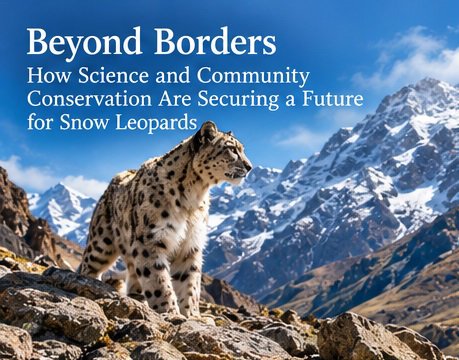
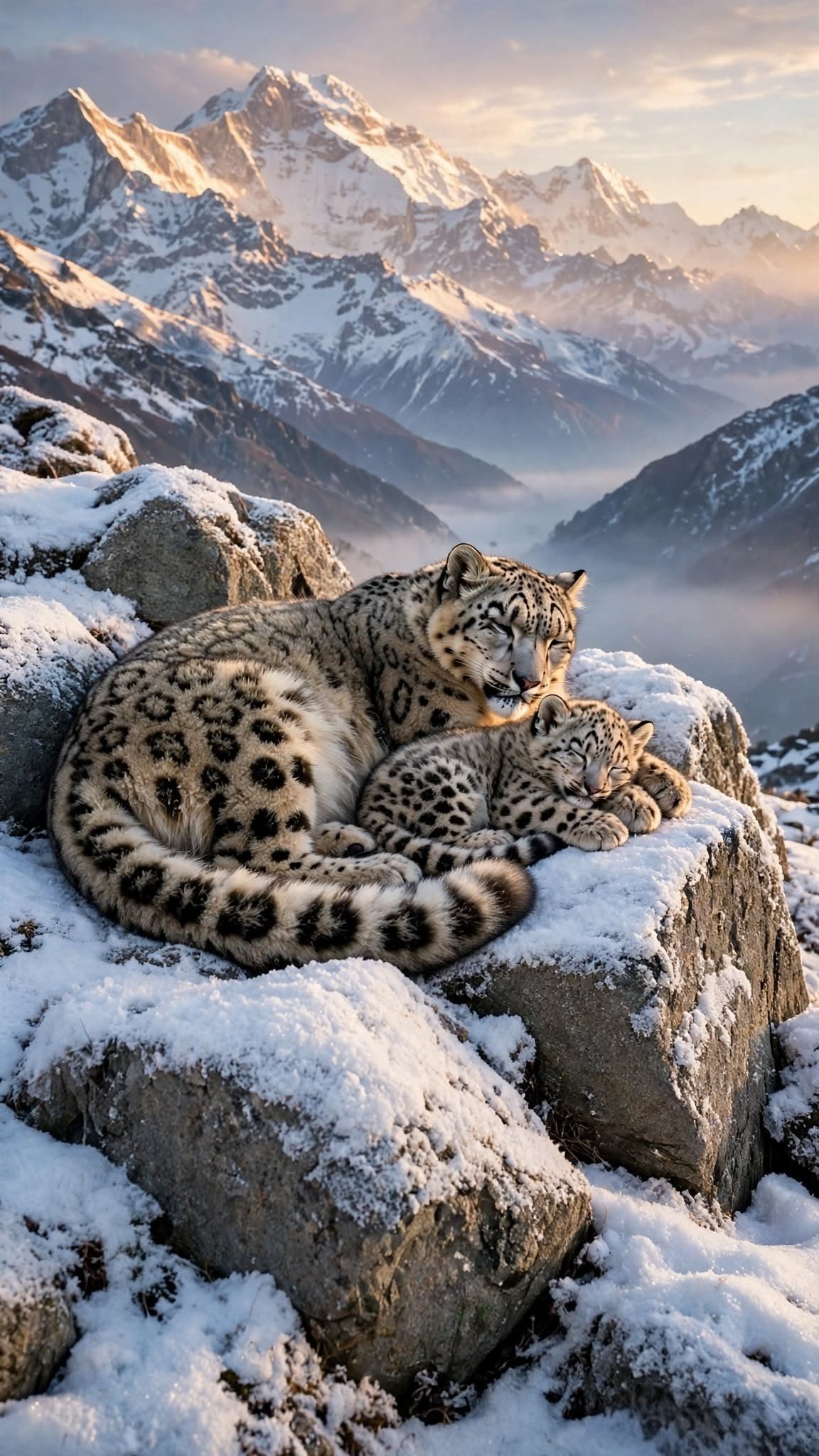
Nepal remains an important stronghold for the species. A government survey conducted in 2025 estimated that approximately 397 snow leopards inhabit the country, offering valuable insight into the status of its mountain wildlife.
Research in Nepal’s Lapchi Valley has also revealed how snow leopards coexist with common leopards (Panthera pardus) and Himalayan wolves (Canis lupus chanco). According to findings reported by Mongabay, these three predators share the same landscape while reducing competition by targeting different prey species.
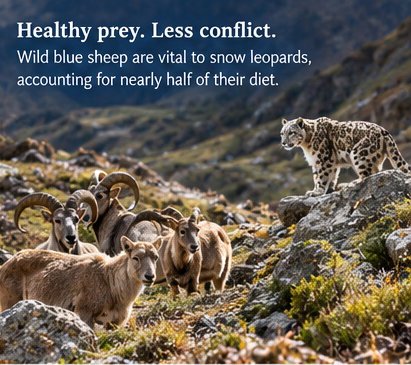
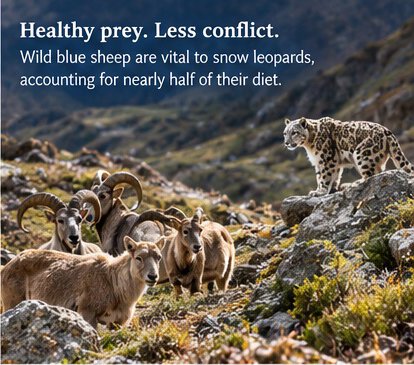
Wild blue sheep (Pseudois nayaur) are particularly important to snow leopards, accounting for nearly half of their prey in the reported research.
Study lead researcher Narayan Prasad Koju emphasised that maintaining healthy populations of wild ungulates is essential to reducing conflict between predators and livestock-owning communities. When natural prey becomes scarce, predators may increasingly target domestic animals, prompting retaliatory killings and disrupting the ecological balance.
Protecting prey species, therefore, is not simply about maintaining biodiversity. It is also a practical way to reduce human-wildlife conflict and improve the prospects of long-term predator conservation.
Conservation Must Work for Mountain Communities
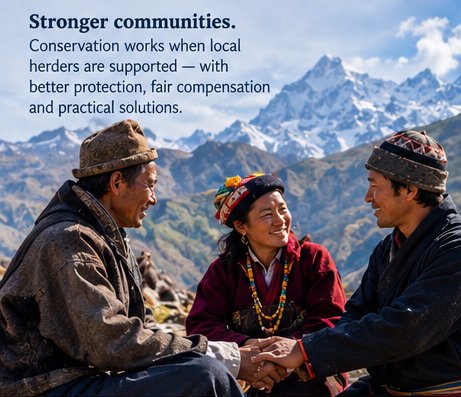
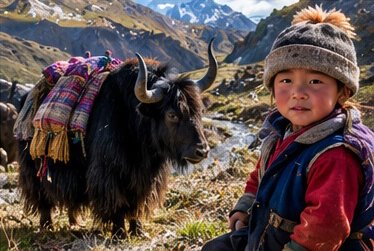
For families living in remote mountain regions, sharing landscapes with snow leopards can come at a considerable economic cost. Livestock losses may threaten household income, food security and traditional livelihoods, making conservation difficult when local communities receive insufficient support.
Rodney Jackson, founder and board president of the U.S.-based Snow Leopard Conservancy, has argued that conservation programmes must pay greater attention to the needs of herding families rather than concentrating primarily on counting animals.
In an interview with Mongabay, Jackson highlighted the importance of addressing the financial and social consequences of livestock predation. He advocated practical measures, including camera-triggered deterrents, better systems to alert herders when snow leopards approach livestock, and fair compensation for animals lost to predators.
Such interventions can help build trust between conservation organisations and local residents. They also recognise an important reality: conservation is more likely to succeed when the people living alongside wildlife share in its benefits and receive meaningful support when conflicts occur.
Creating Climate-Ready Corridors in Kyrgyzstan
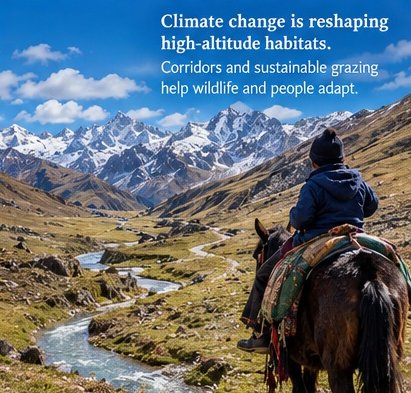
Climate change presents another major challenge for snow leopards. Rising temperatures can transform alpine ecosystems, alter the distribution of wild prey and reduce the suitability of habitats on which these mountain specialists depend.
In central Kyrgyzstan, the establishment of the 800,000-hectare Ak Ilbirs ecological corridor represents an effort to address these emerging pressures. The landscape is intended to provide room for an estimated 300 snow leopards to move through mountain habitats as environmental conditions change.
Formalised under the United Nations Environment Programme’s Central Asian Mammals and Climate Adaptation project, the initiative incorporates climate projections extending to 2070. It aims to safeguard important habitats while accommodating sustainable livestock grazing and the needs of local communities.
Marten Hofman, an associate programme management officer with UNEP, described such initiatives as a source of hope, pointing to progress in conservation policy and changing attitudes among people on the ground.
Ecological corridors are particularly important for wide-ranging predators. By connecting suitable habitats, they can allow animals to move between landscapes, access prey and respond to changing environmental conditions. Their effectiveness, however, depends on maintaining safe passage and cooperation among the communities and institutions responsible for managing these areas.
A Predator Without Borders
Snow leopard conservation also requires cooperation beyond national boundaries. These animals range across extensive mountain territories, often crossing international borders in search of prey, mates and suitable habitat.
Satellite tracking by WWF Nepal has confirmed that snow leopards frequently cross from Nepal into neighbouring India and China. These movements demonstrate why conservation strategies limited to individual protected areas or national boundaries may be insufficient.
Coordinated monitoring, connected habitats and collaboration between countries are essential to protecting populations that move across the Himalayan landscape.
Securing a Future in the Mountains

The future of the snow leopard depends on more than protecting an iconic species. It requires maintaining healthy prey populations, restoring ecological connections, anticipating the effects of climate change and ensuring that mountain communities are not left to bear the costs of living alongside wildlife.
From Nepal’s Himalayan valleys to Kyrgyzstan’s climate-ready corridors, conservation initiatives are increasingly recognising that scientific research and community participation must work together.
On International Snow Leopard Day, these efforts offer an important reminder: the survival of the ghost of the mountains will depend not only on the places it inhabits, but also on the willingness of people, communities and governments to protect the shared landscapes on which both wildlife and human livelihoods depend.