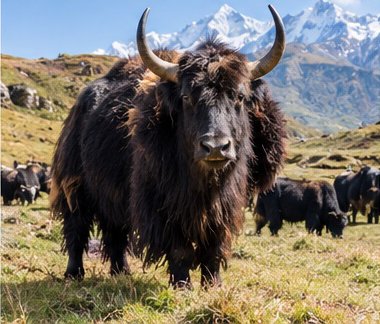
A first-of-its-kind regional network bringing together herders from Bhutan, India and Nepal aims to address climate change, shrinking pastures, declining yak populations and the growing threat to traditional high-altitude livelihoods.
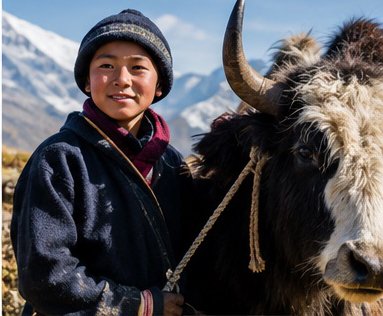
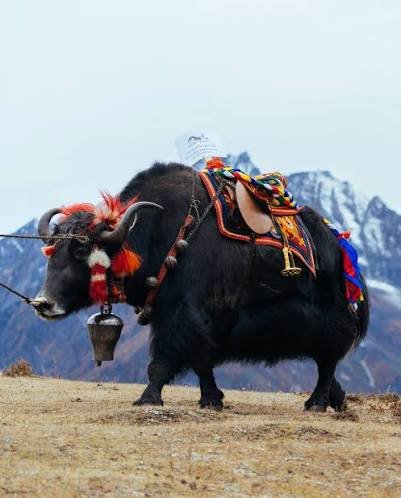
In the high-altitude landscapes of the Himalayas, yak herding has sustained mountain communities for generations. These hardy animals provide milk, meat, fibre and transport, while supporting the cultural traditions and livelihoods of people living in some of the world’s most challenging environments. Today, however, climate change, deteriorating pastures and changing socioeconomic conditions are placing this centuries-old way of life under increasing pressure.
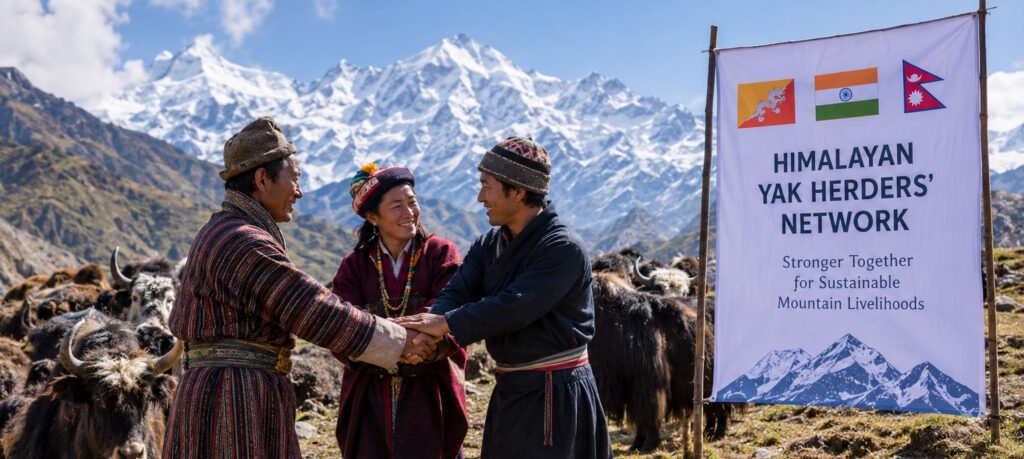
In a significant step towards protecting these communities, yak herders from Bhutan, India and Nepal are coming together to establish the first regional platform dedicated to Himalayan yak-herding communities. The Himalayan Yak Herders’ Network is scheduled to be launched on October 23, 2026, during Bhutan’s ninth Royal Highland Festival.
The initiative aims to strengthen cross-border cooperation, facilitate knowledge sharing and provide yak herders with a collective voice in decisions affecting their livelihoods and mountain ecosystems.
A United Voice for Himalayan Communities
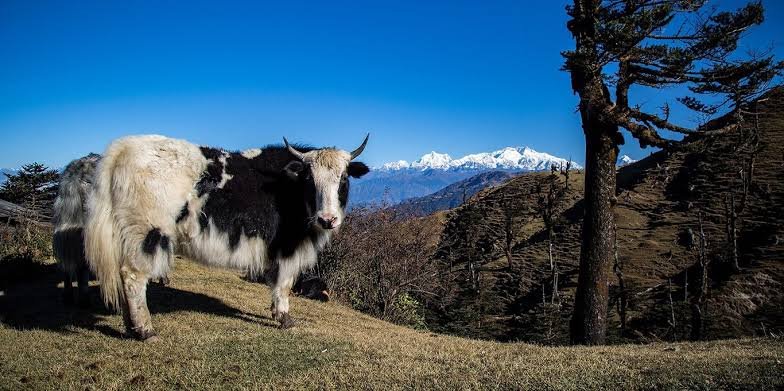
The network will bring together three national organisations: the Yak Federation of India, the Bhutan Yak Federation and the Yak and Chauri Farmers Federation Nepal. Led by yak herders themselves, the initiative will focus on collective advocacy, capacity building, knowledge exchange and cooperation across national boundaries. Bhutan will host its secretariat.
According to the International Centre for Integrated Mountain Development (ICIMOD), an intergovernmental organisation working across the Hindu Kush Himalaya, the network represents the culmination of nearly a decade of collaboration among herders, governments, researchers and development partners.
The idea first emerged in 2016 through ICIMOD’s Kangchenjunga Landscape Conservation and Development Initiative, which brought together representatives from the three countries to explore opportunities for regional cooperation.
The formal establishment of the network marks an important step towards turning those discussions into a coordinated platform for action.
Shrinking Pastures and a Changing Climate
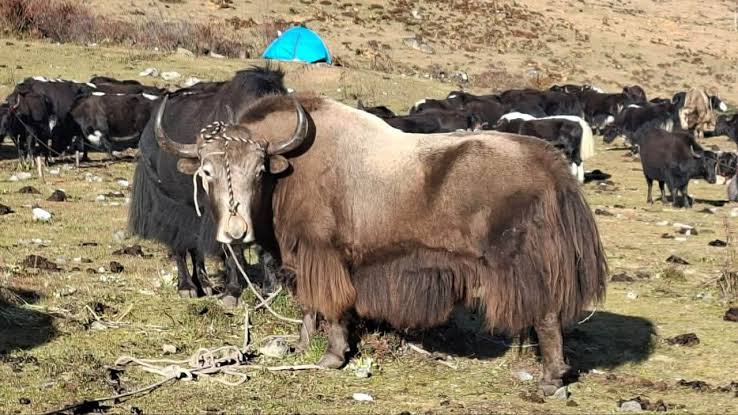
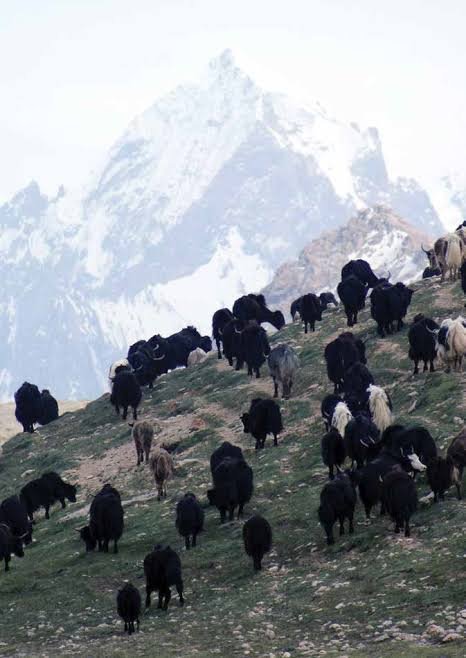
Yak-herding communities depend on high-altitude rangelands for grazing, making the health of these landscapes essential to their survival. However, rangeland degradation, changing land-use patterns and climate-related pressures are affecting the availability and quality of pasture.
The Hindu Kush Himalaya’s rangelands cover more than 60 per cent of the region and support an estimated 25–30 million Indigenous and culturally diverse people, according to the network’s organisers.
These grasslands and alpine pastures are more than livestock-grazing grounds. They support biodiversity, sustain traditional livelihoods and form an integral part of mountain cultures.
As environmental conditions change, herders face increasing uncertainty over grazing resources and livestock management. Wildlife attacks on domestic animals, limited access to markets and essential services, and the loss of yak genetic diversity add to these challenges.
According to ICIMOD, yak populations across Bhutan, India and Nepal have declined significantly in recent decades, partly because of changing land use and the deterioration of rangelands.
Declining Yak Numbers Raise Concerns

The decline in yak populations highlights the growing vulnerability of high-altitude pastoral systems.
In India, the 20th Livestock Census, published in 2019, recorded approximately 58,000 yaks. More recently, in 2026, the Yak Federation of India reported that 526 household members associated with the federation collectively reared around 32,000 yaks.
These figures relate to different reporting periods and population coverage, but together they underline the importance of strengthening support for yak-herding communities and improving the monitoring of livestock populations.
Beyond their economic value, yaks are closely connected to the identity and heritage of Himalayan communities. Their adaptation to cold, oxygen-poor environments makes them particularly suited to high-altitude life, where other livestock may struggle.
Maintaining healthy breeding populations and conserving yak genetic diversity are therefore important not only for pastoral livelihoods but also for preserving the resilience of livestock systems in a changing climate.
Young People and the Future of Yak Herding
Another major concern is the migration of younger generations away from highland settlements. Limited economic opportunities, inadequate access to essential services and difficulties in sustaining livestock-based livelihoods can encourage young people to seek employment elsewhere.
This generational shift threatens the transfer of traditional knowledge about animal husbandry, seasonal grazing, pasture management and survival in extreme mountain environments.
By improving cooperation and strengthening the collective representation of herders, the new network aims to help communities address shared challenges and sustain their traditional practices.
Better access to knowledge, stronger institutional support and improved opportunities for herders could help make yak rearing a more viable livelihood for future generations.
Cooperation Beyond National Borders
The challenges facing Himalayan yak herders do not stop at political boundaries. Mountain ecosystems, pastoral traditions and environmental pressures often extend across countries, making regional cooperation particularly valuable.
The Himalayan Yak Herders’ Network offers an opportunity for communities to exchange practical experience, share knowledge about changing conditions and advocate for policies that reflect the realities of high-altitude life.
Its success will depend on sustained participation from herders, effective collaboration among the three national organisations and continued support from governments and development partners.
As the Himalayas confront environmental change and growing socioeconomic pressures, protecting yak-herding traditions also means safeguarding the landscapes and biodiversity on which these communities depend. The launch of the regional network represents a hopeful beginning: an effort to ensure that the people who have long lived alongside the Himalayas’ most iconic high-altitude livestock have a stronger voice in shaping their future.