The Himalayan Black Bear and the Growing Conflict in the Mountains
By Sudhir J Kumar
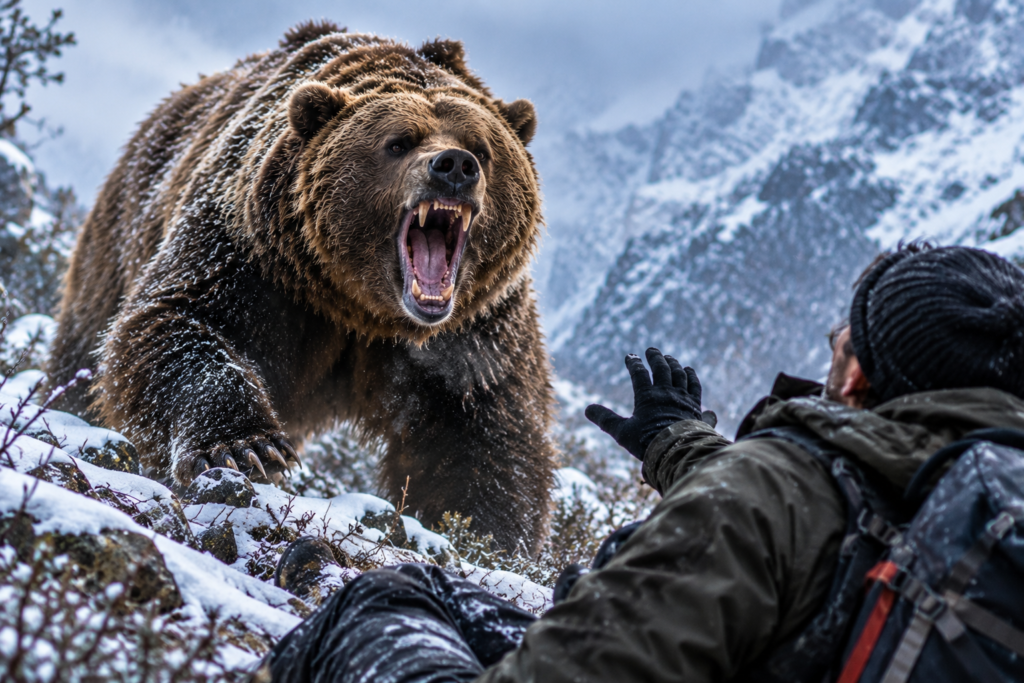
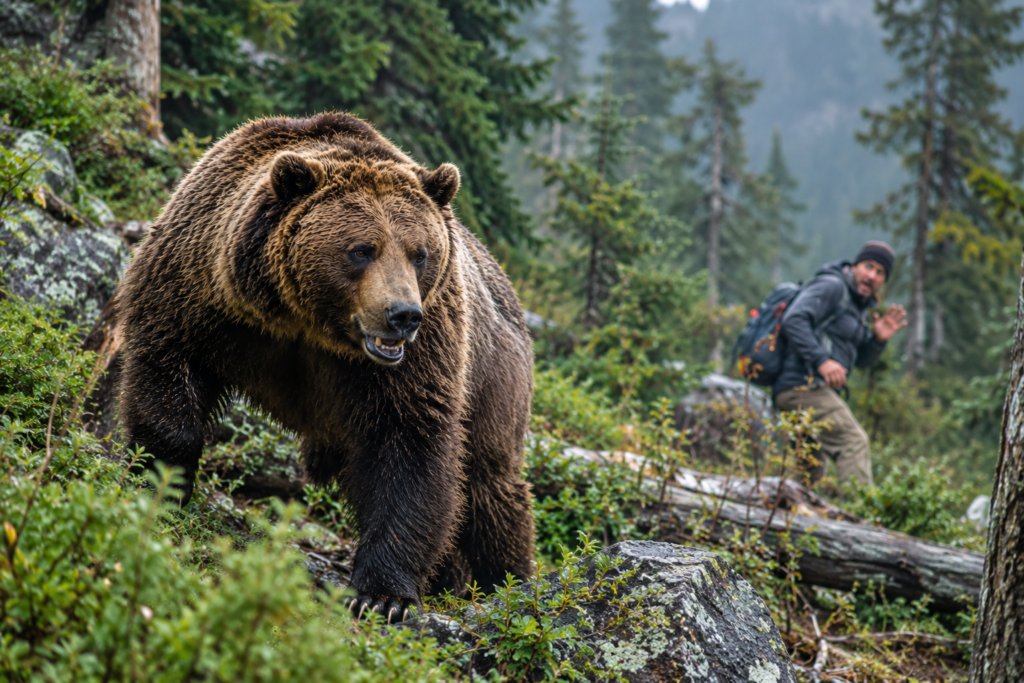
Deep in the Himalayan forests, where oak trees rise along steep mountain slopes and narrow trails connect villages to the wilderness, an encounter can happen in a matter of seconds.
A rustle in the bushes.
A movement between the trees.
And suddenly, a Himalayan black bear is standing only a few metres away.
For the bear, it may simply be another moment in its search for food. For a human being, however, the encounter can become frightening—and sometimes dangerous.
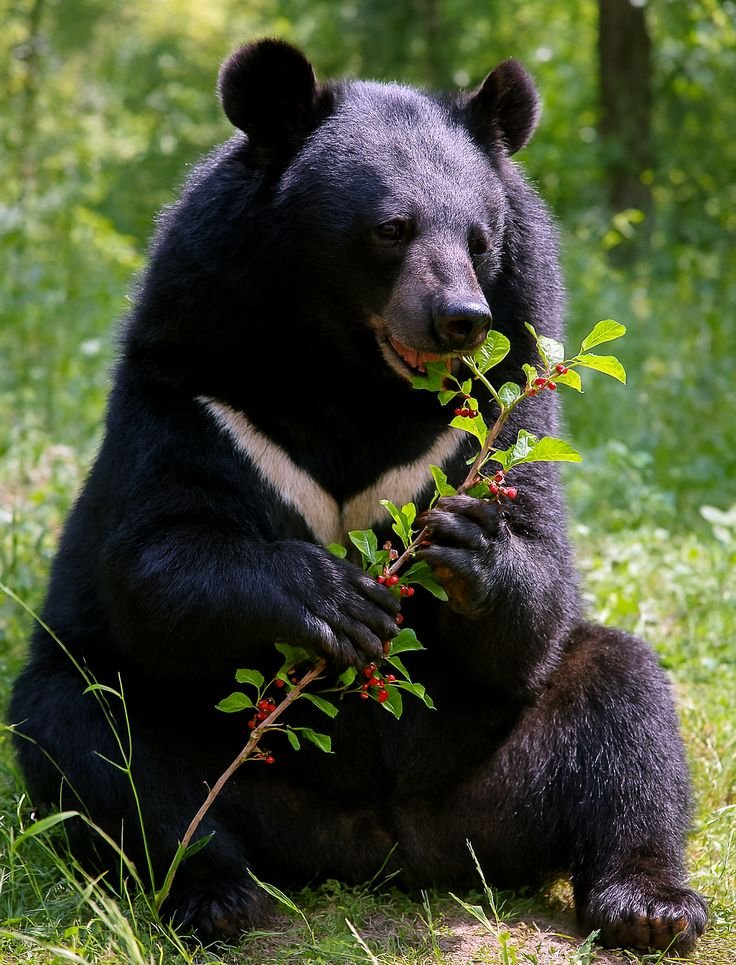
The Himalayan black bear (Ursus thibetanus laniger) is a powerful and largely elusive animal of the mountains. It generally avoids people and prefers the cover of forests. Yet across parts of Uttarakhand and the wider Indian Himalaya, encounters between people and bears have become an increasingly visible part of the human-wildlife conflict story.
The question is not simply why bears attack humans. A more important question is: what happens when the boundaries between a bear’s habitat and human life begin to disappear?
Where the Forest Meets the Farm

For generations, mountain communities have lived alongside wildlife. Forests provide fuel, fodder and other resources, while agricultural fields often lie close to forest edges.
But as human settlements, roads, farms and other activities expand into landscapes used by wildlife, these boundaries become increasingly blurred.
The Himalayan black bear is an opportunistic feeder. Its diet can include roots, fruits, nuts, acorns, grains and other plant material. When natural food is scarce or agricultural crops become easily accessible, cultivated fields can become attractive feeding grounds.
This creates an uncomfortable overlap.
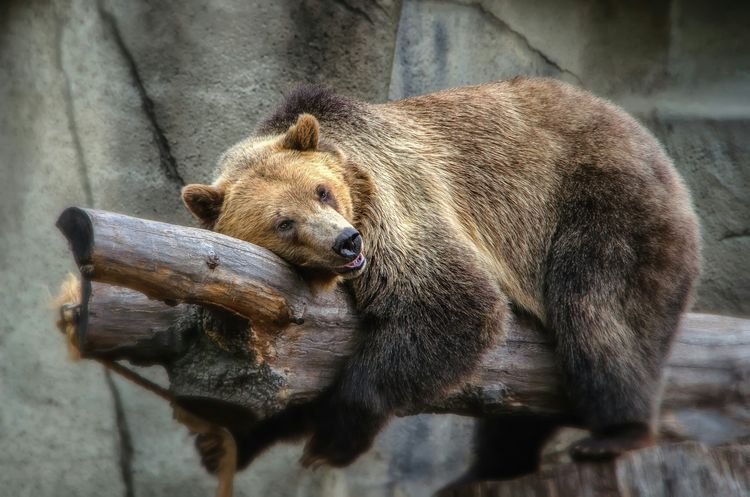
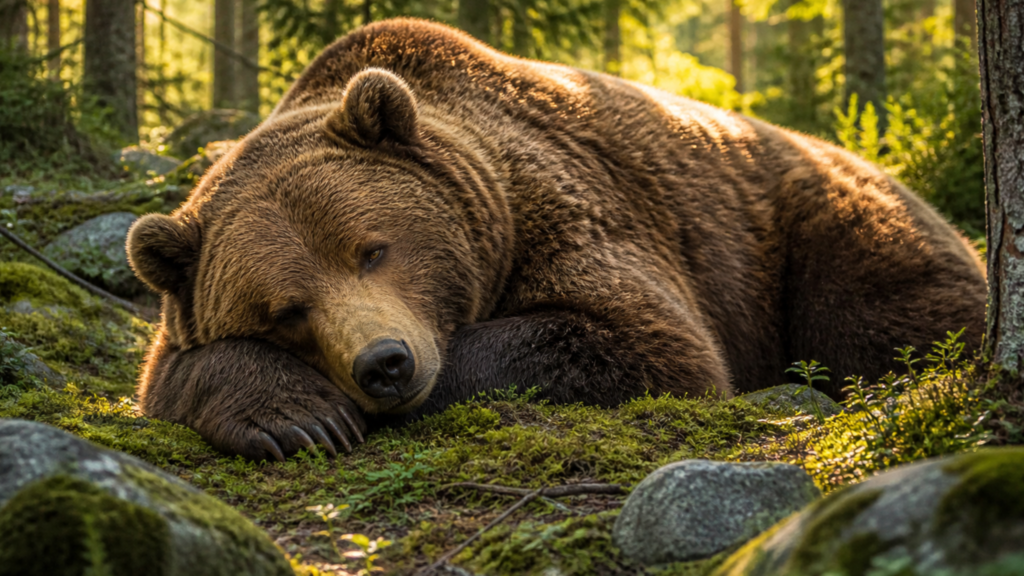
A farmer may enter a field expecting an ordinary day of work. A bear may enter the same field looking for food.
Neither may be deliberately seeking confrontation.
Yet the meeting can turn dangerous.
The Risk of a Sudden Encounter
Research from the Indian Himalaya has documented patterns in attacks involving black and brown bears. Studies associated with the Wildlife Institute of India have examined human-bear encounters and found that agricultural areas can become important locations for such incidents.
Season also matters.
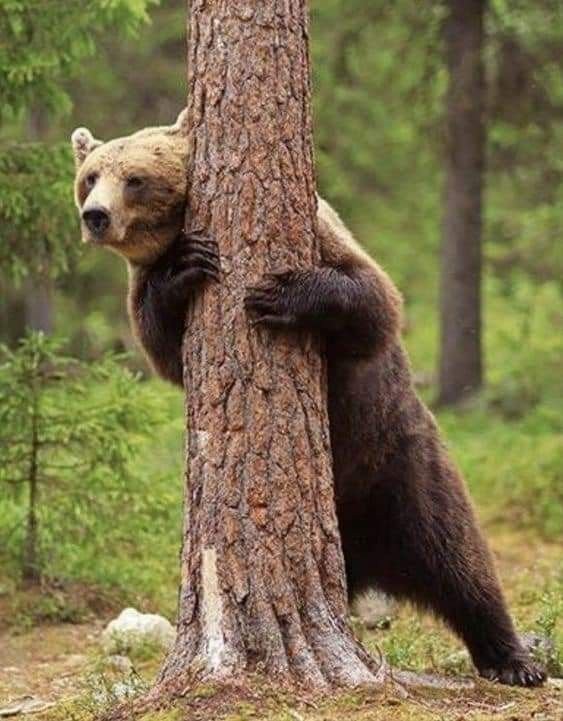
During periods when agricultural activity increases, people spend more time in fields while bears may simultaneously be moving through the landscape in search of food. This increases the possibility of an unexpected encounter.
And it is often the surprise element that makes such encounters particularly dangerous.
A bear suddenly confronted at close range may perceive a person as a threat. A person who encounters a bear may instinctively run, shout, approach it, or attempt to drive it away.
Such reactions can escalate the situation.
The bear is not necessarily entering the encounter with an intention to hunt a human. In many cases, the conflict begins because two species have unexpectedly occupied the same space.
When Fear Becomes a Threat
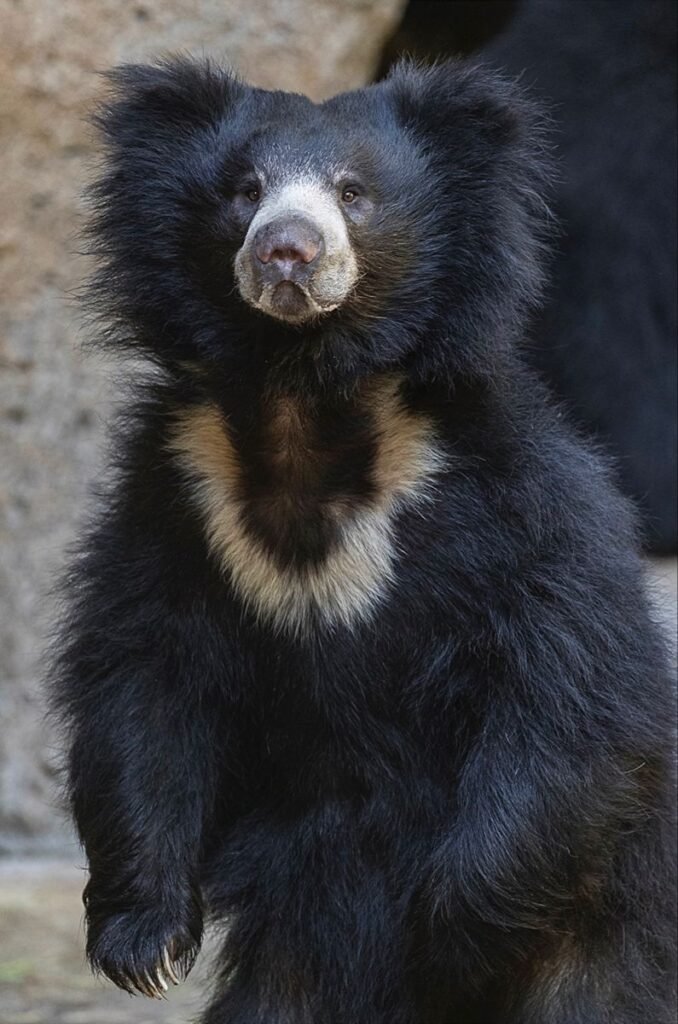
The Himalayan black bear is not a natural human predator.
That distinction is important.
Wild animals do not always behave according to the way humans interpret their actions. A bear defending itself, protecting a food source, or reacting to a sudden disturbance can appear aggressive, even when its primary objective is to escape the perceived threat.
This is why approaching a bear, surrounding it, blocking its escape route or attempting to provoke it can be extremely dangerous.
The safest response is generally to create distance and allow the animal a way to move away.
In mountain communities, however, avoiding encounters is not always simple. Farmers may have to work in fields close to forests. Villagers may use forest paths daily. People may collect fodder or other forest resources.
For them, the forest is not a distant wilderness. It is part of everyday life.
The Changing Himalayan Landscape
The story of the Himalayan black bear is therefore also a story about a changing landscape.
As roads penetrate deeper into mountain regions and settlements expand, the traditional separation between wildlife habitat and human habitation becomes less distinct.
At the same time, fragmented habitats and changing availability of natural food can influence how animals move through the landscape.
Protected areas such as the Nanda Devi Biosphere Reserve illustrate the complexity of this relationship. Research from the region has recorded crop damage and incidents involving livestock and people, showing that conservation landscapes are also lived-in landscapes where communities and wildlife interact.
Human-wildlife conflict cannot therefore be understood simply as a problem caused by wildlife.
It is a problem created at the meeting point of two worlds.
Learning to Share the Mountains
Preventing conflict requires more than simply removing an animal after an incident.
Early warning systems, local awareness, rapid response teams and better monitoring of conflict hotspots can help communities respond before encounters become dangerous.
People living near bear habitat can also benefit from understanding bear behaviour—particularly the importance of maintaining distance and avoiding attempts to corner or chase an animal.
The responsibility, however, does not belong to communities alone.
Conservation planning must consider the people who live alongside wildlife. Better land-use planning, protection of natural habitats, responsible management of crops and effective communication between forest departments and local communities can all contribute to reducing conflict.
A Meeting That Need Not Become a Conflict
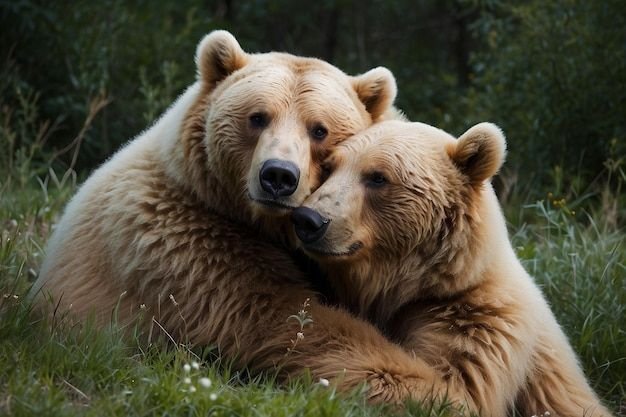
The Himalayan black bear belongs to the mountains.
Its presence is part of the ecological character of the Himalayan forests, just as villages, farms and people are part of the human landscape.
The challenge is not to create a world where bears and people never meet. In a landscape shared by both, that may be impossible.
The challenge is to ensure that when they do meet, the encounter does not become a tragedy.
A bear moving silently through an oak forest is not an enemy.
A farmer walking through a field is not an intruder.
Both are simply using the landscape they depend upon.
Perhaps the future of human-wildlife coexistence in the Himalaya will depend on learning to recognise that shared space—and giving each species enough room to live.
Because sometimes, the safest encounter between a human and a wild animal is the one in which both are given the chance to walk away.