
The Hidden Risk Along the Canals of Pilibhit Tiger Reserve
By Rahul S. Kumar
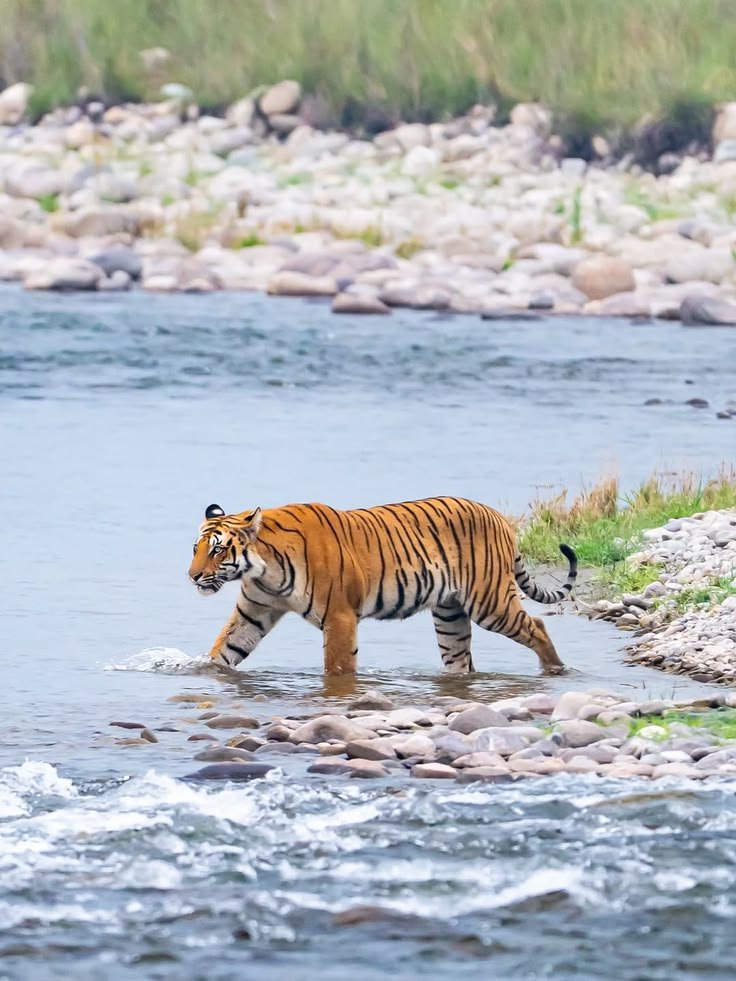
Water is one of the defining elements of the Terai landscape. At Pilibhit Tiger Reserve (PTR), an extensive network of canals passes through the forest and surrounding areas, providing an important source of water while helping sustain the region’s lush vegetation.
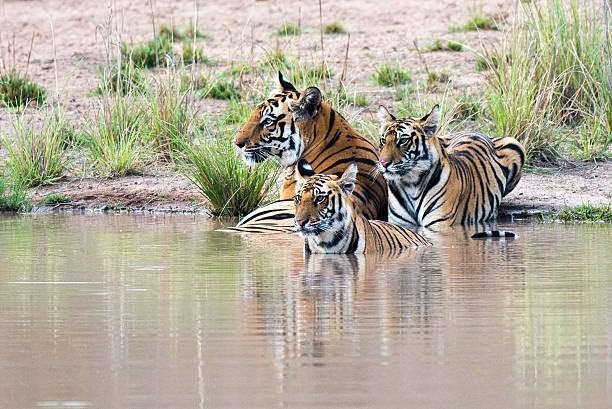
During summer and the monsoon, these waterways also become active wildlife corridors. Tigers and other animals are frequently seen approaching the canals to drink, move along the banks and, at times, enter the water.
But the infrastructure built to protect these waterways has raised concerns in areas regularly used by wildlife.

The Engineering Behind the Embankments
The Sharda Main Canal, along with several smaller canals, passes through the PTR landscape. Its embankments require periodic maintenance, particularly where soil erosion weakens the banks.
To stabilise these sections, stone pitching is used to hold the soil in place. In some locations, thick iron-wire mesh is placed over the stones to secure the pitching and prevent displacement.
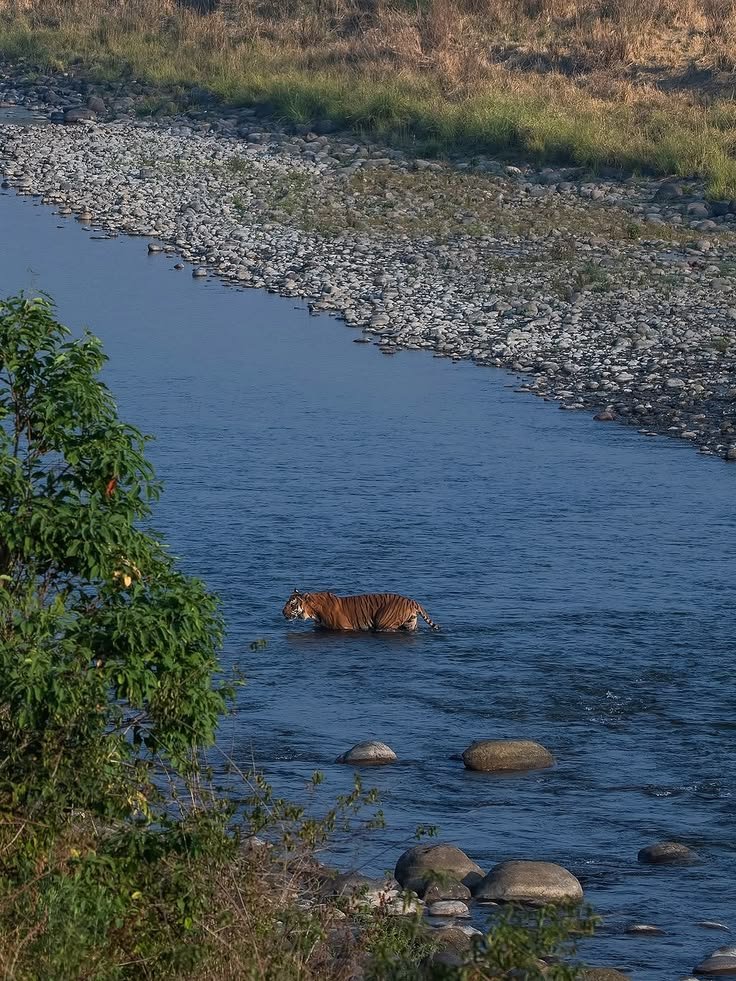
The arrangement serves an important engineering purpose. However, sections of the Sharda Main Canal are also known for regular tiger movement and sightings, bringing wildlife into close contact with the repaired embankments.
When tigers walk along the stone-covered edges, their paws come into contact with the mesh. The gaps and exposed sections can potentially catch a foot, particularly where the mesh has become uneven or damaged.
For a large animal, such an incident could result in injury and require intervention by forest officials.
A Concern Already Raised
The issue has previously drawn the attention of forest authorities. Concerns regarding the use of iron mesh in wildlife-use areas were reportedly communicated to the irrigation department and senior officials, with recommendations to consider the safety of animals moving along the canal banks.

The challenge, however, is not to eliminate canal maintenance.
Erosion control remains essential, particularly in a landscape where damaged embankments can affect both irrigation infrastructure and surrounding habitat.
The question is whether these repairs can be designed in a way that also accounts for the animals regularly using the area.
Rethinking Canal-Side Infrastructure
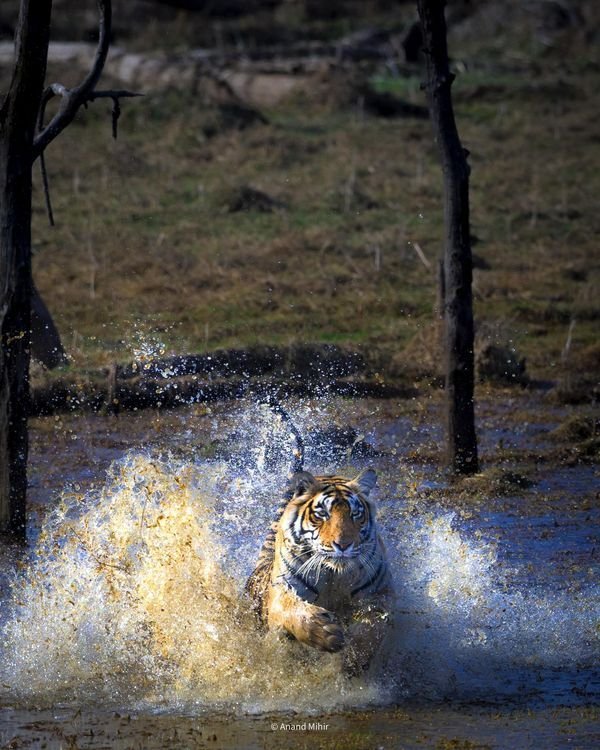
Pilibhit’s canals should be viewed not merely as irrigation structures but as part of a landscape through which wildlife moves.
This calls for closer coordination between the irrigation department, forest authorities, engineers and wildlife experts. Locations with frequent tiger movement could be identified before repair work, allowing materials and construction methods to be assessed accordingly.
Existing sections of mesh could also be inspected periodically, particularly where the wire has become exposed, loose or damaged.
Such measures would not require abandoning necessary infrastructure. Instead, they would bring wildlife considerations into the planning and maintenance process.
Keeping the Lifeline Safe


The canals of Pilibhit are an important part of the landscape. They carry water through a forest where wildlife depends heavily on access to reliable sources, particularly during the hotter months.
Their maintenance is therefore essential.
But so is ensuring that the infrastructure surrounding them does not create avoidable hazards.
A carefully designed canal embankment can serve both purposes—protecting the waterway while allowing wildlife to move safely through the landscape.
In Pilibhit, the objective should be simple: keep the canals strong, the water flowing and the forest safe for the animals that depend on it.