As vultures disappear from much of their historic range, India’s most efficient natural scavengers are fighting for survival. Their recovery may depend on safer veterinary practices, protected feeding grounds and a renewed understanding of the role they play in keeping ecosystems healthy.
By Sudhir J Kumar
High above the Indian landscape, vultures once formed a familiar part of the sky.
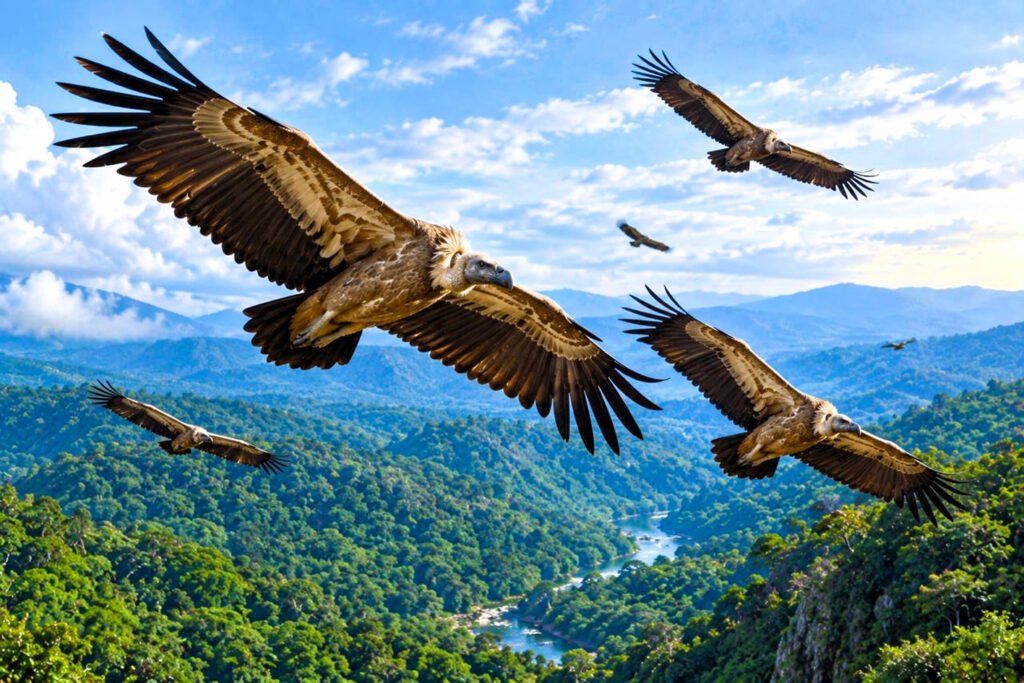
They circled over villages, fields, forests and grazing grounds, waiting patiently for the cycle of life to take its final turn. Where an animal died, vultures arrived. Within hours, sometimes minutes, a carcass could be reduced to bones.
It was nature’s most efficient clean-up system.
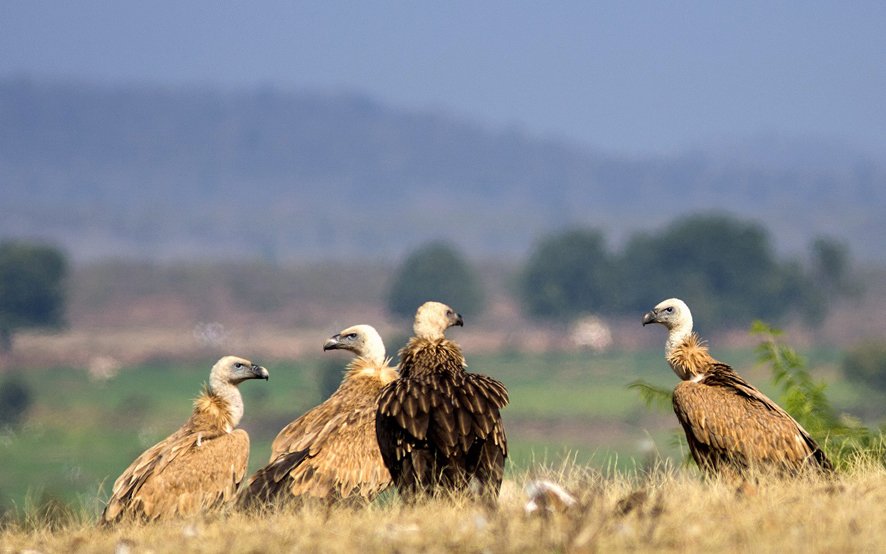
Today, that familiar presence has become increasingly rare.
Across India, vultures have disappeared from nearly 72 per cent of their historically known nesting sites, according to a pan-India assessment by scientists from the Wildlife Institute of India. Of 425 nesting sites documented in earlier literature across 25 states, researchers found only 120 still active.
The numbers tell a story of extraordinary decline. But they also reveal something more important: the disappearance of vultures is not simply the loss of one group of birds. It is a warning about the health of the ecosystems around us.
Nature’s sanitation workers
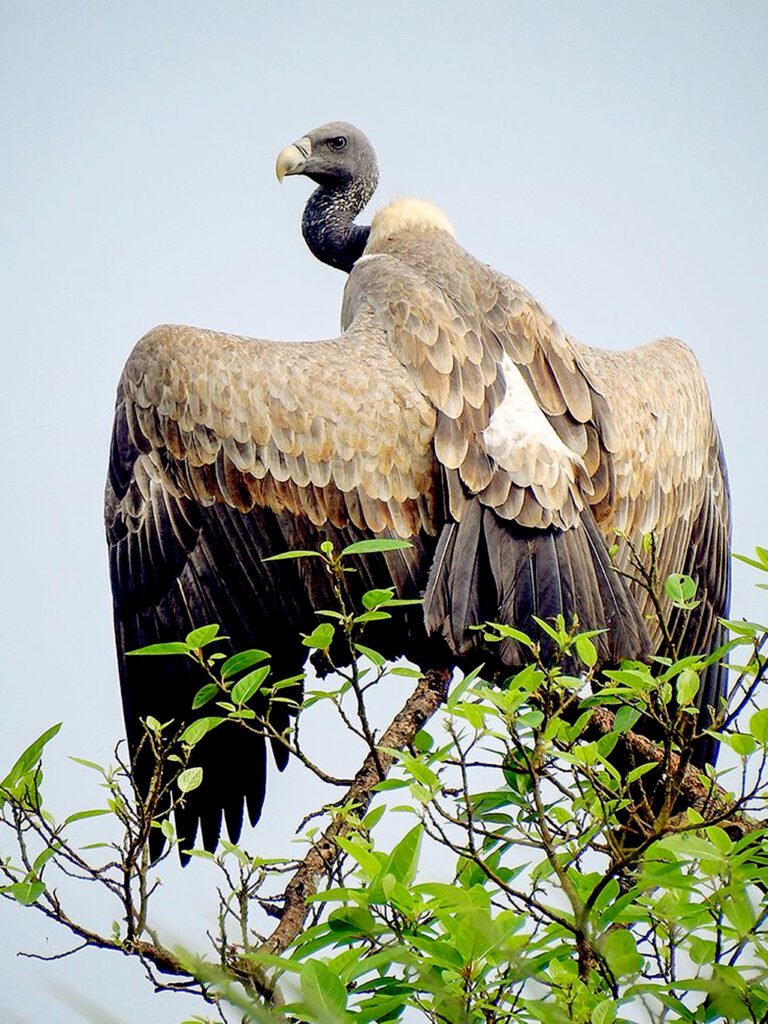
Vultures occupy a unique position in the food chain.
Unlike predators, they rarely kill their own prey. Instead, they specialise in feeding on carrion—the remains of animals that have already died. Their ability to consume decaying flesh makes them one of nature’s most effective sanitation systems.
By rapidly removing carcasses, vultures help prevent the accumulation of dead animal matter and reduce opportunities for disease-causing organisms to spread.
Their disappearance therefore creates an ecological vacuum.
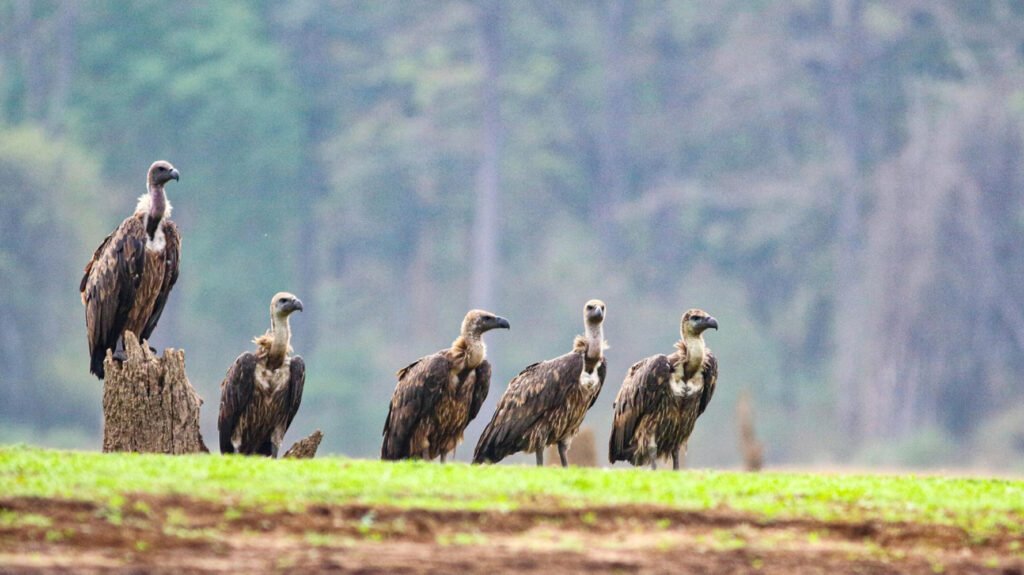
The decline became particularly severe from the 1990s onward. One of the most devastating causes was veterinary use of diclofenac, a non-steroidal anti-inflammatory drug widely administered to livestock.
When vultures fed on the carcasses of animals treated with the drug, even tiny residues could prove fatal. The birds developed kidney failure and died.
A drug designed to treat livestock had unintentionally become one of the greatest threats to an entire family of birds.
A crisis across the landscape
India is home to nine species of vultures: the white-rumped, long-billed, slender-billed, red-headed, Egyptian, Himalayan griffon, Eurasian griffon, cinereous and bearded vultures.
Their range stretches from the Himalayas to Kerala, crossing some of the country’s most diverse landscapes.
But the distribution of their nests has changed dramatically.
The recent assessment found that Madhya Pradesh and Rajasthan together accounted for about 63 per cent of all recorded vulture nests. Researchers also identified 93 previously unrecorded nesting locations, bringing the total number of known active locations to 213.
Of these, 103 were inside protected areas.
The figures offer a measure of hope. The discovery of new nesting sites suggests that surviving populations are still capable of adapting and reproducing where conditions remain suitable.
But survival cannot depend on isolated pockets alone.
Building safe skies
Speaking at an International Vulture Awareness Day 2026 event in Panchkula, Haryana, Union Environment Minister Bhupender Yadav called for continued efforts to create Vulture Safe Zones.
The message was straightforward: protecting vultures requires more than protecting individual birds.
It requires protecting the landscape and the food chain on which they depend.
Safe veterinary practices are central to that effort. Livestock owners and veterinary professionals need to ensure that medicines harmful to vultures do not enter the carcass-feeding cycle.
Equally important is the availability of safe food.
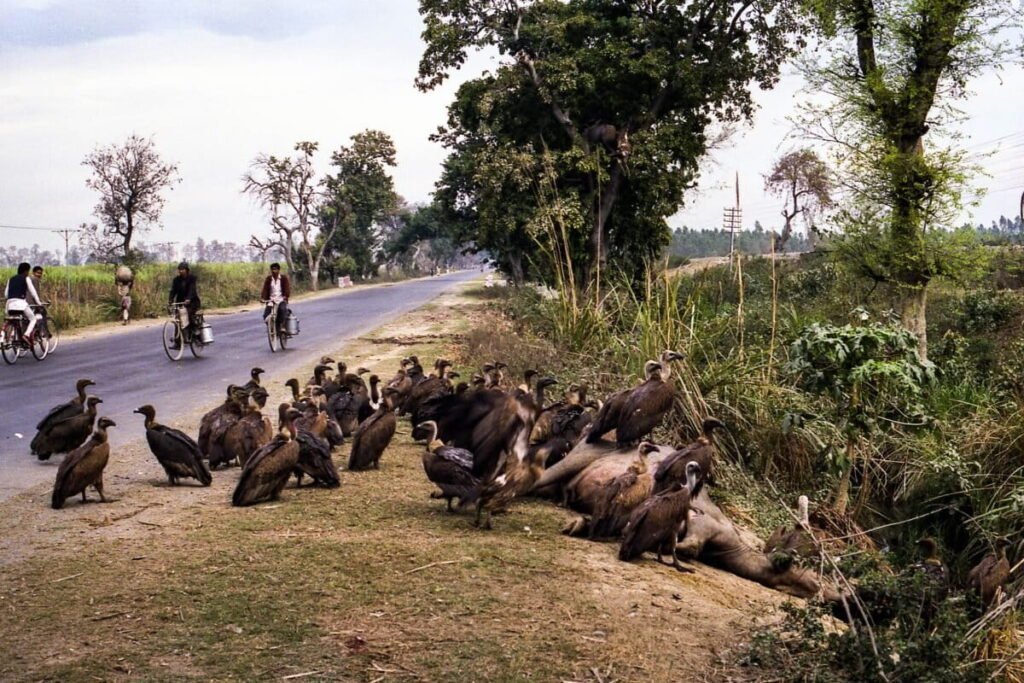
For vultures, a dead animal is not waste. It is nourishment. But if that carcass contains toxic veterinary residues, it becomes a deadly trap.
This makes local communities, livestock owners, veterinary professionals and administrations important partners in conservation.
Safe carcass-management practices can turn villages and grazing landscapes into places where vultures can once again feed without encountering hidden dangers.
Breeding a second chance
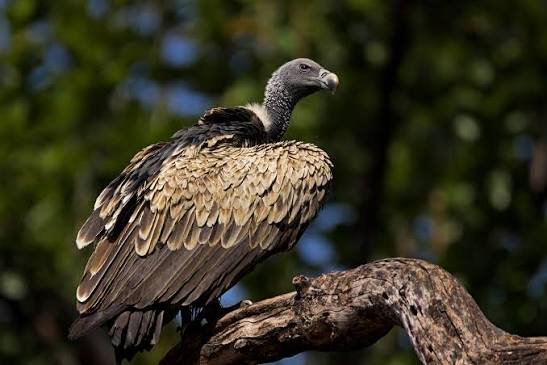
While protecting vultures in the wild remains the ultimate goal, conservation breeding programmes are providing another line of defence.
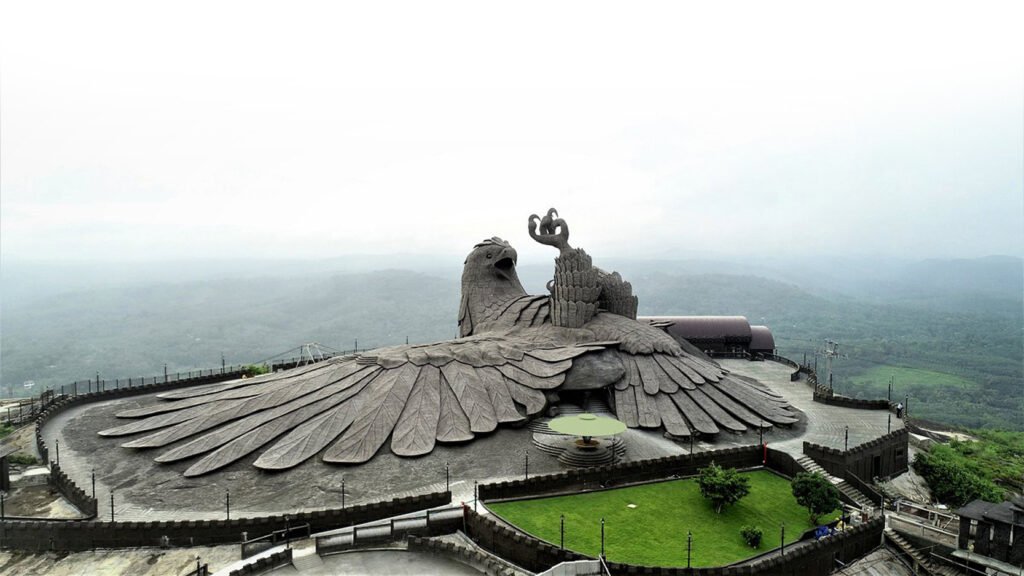
India’s captive breeding efforts include the Jatayu Conservation Breeding Centre at Pinjore in Haryana, along with centres at Rajabha Khawa in West Bengal and Rani in Assam.
Pinjore has emerged as an important centre in this national effort.
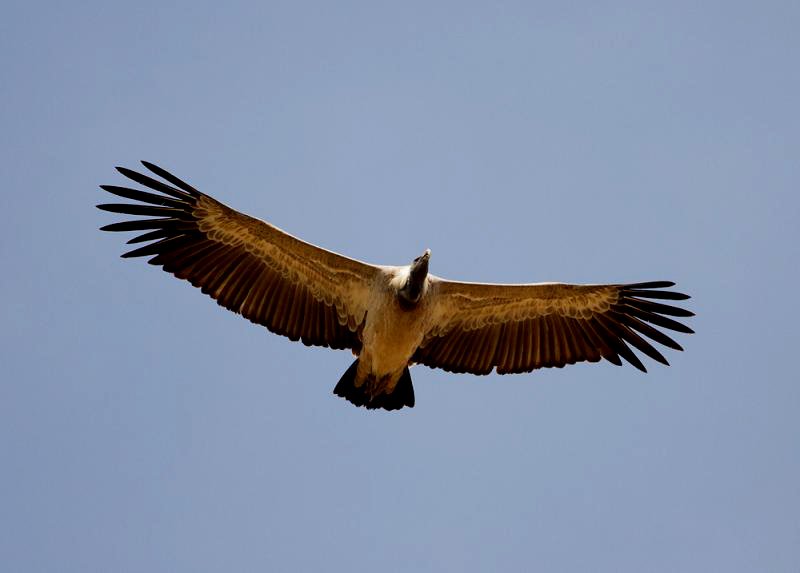
During 2025–26, the Jatayu Conservation Breeding Centre housed 356 vultures. It bred 35 chicks and released or contributed 87 birds for reintroduction. Another 90 birds were transferred to other conservation-breeding institutions.
The centre also trained 1,222 participants from 22 institutions, highlighting an important reality of modern conservation: saving a species requires people as much as it requires protected habitat.
Breeding programmes can increase numbers. But those birds eventually need safe landscapes to return to.
The future of the sky
The vulture’s story is ultimately a story about connections.
A veterinary prescription can affect a bird flying hundreds of kilometres away. A livestock carcass can become either a source of nourishment or a source of poison. A village can become either a danger zone or a safe feeding landscape.
Conservation therefore cannot stop at the boundary of a national park.
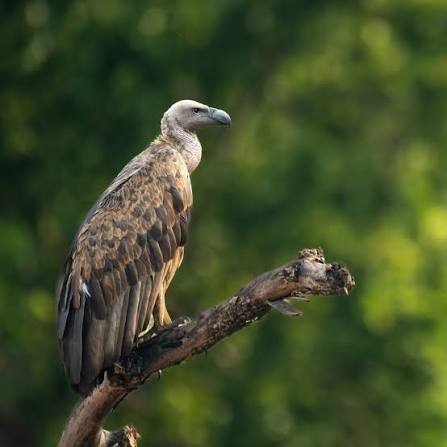
The future of India’s vultures will depend on what happens across the wider countryside—in veterinary clinics, cattle sheds, grazing grounds, villages and carcass-disposal sites.
For generations, vultures performed an invisible service. They cleaned the landscape without asking for anything in return.
Now the responsibility has shifted.
India must make its skies safe enough for these birds to return.
Because when vultures disappear, it is not only their wings that vanish from the horizon. Something in the natural system below them begins to unravel.
And restoring that balance will require more than bringing the birds back.
It will require giving them a landscape worth returning to.