
From the success of Project Cheetah to a renewed national effort to secure the future of the greater one-horned rhinoceros
By Sudhir J. Kumar
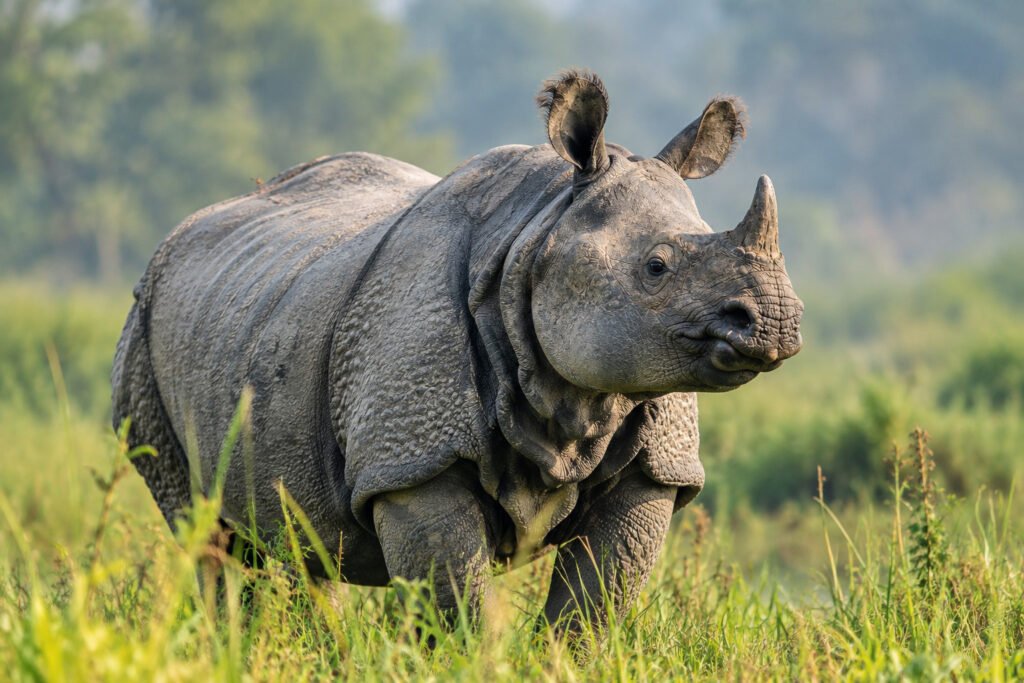
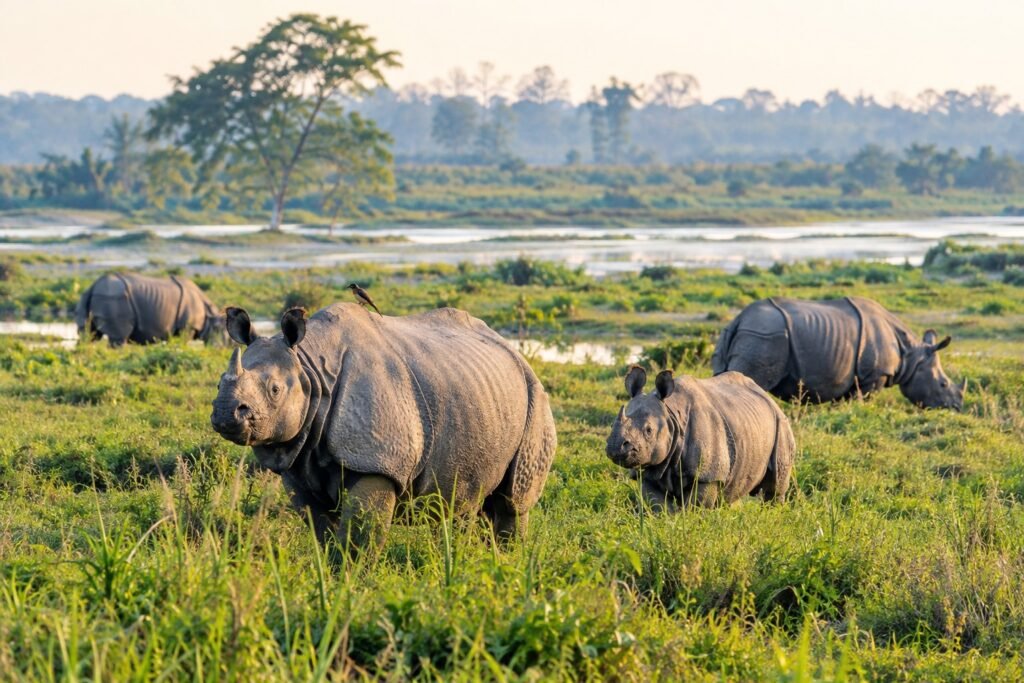
India is preparing to take another significant step in wildlife conservation. Four years after the launch of Project Cheetah, the country has announced Project Rhino, a new conservation initiative focused on the protection and long-term recovery of the greater one-horned rhinoceros (Rhinoceros unicornis).
The announcement was made by Prime Minister Narendra Modi on World Rhino Day, placing renewed national attention on one of Asia’s most iconic large mammals.
Project Rhino is designed to provide financial and technical assistance to rhino range states for strengthening protection, improving habitat management, supporting genetic improvement and understanding population dynamics. The programme aims not only to protect existing rhino populations but also to strengthen the ecological conditions required for the species to survive and expand.
Assam: The Stronghold of India’s Rhinos
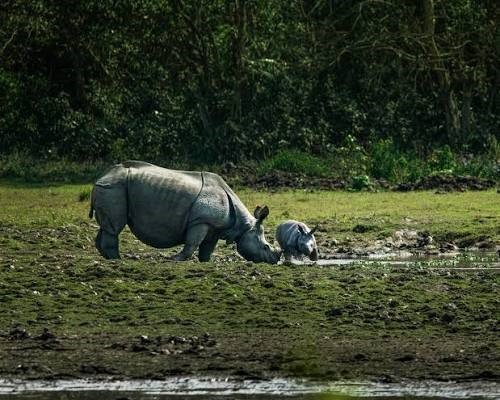
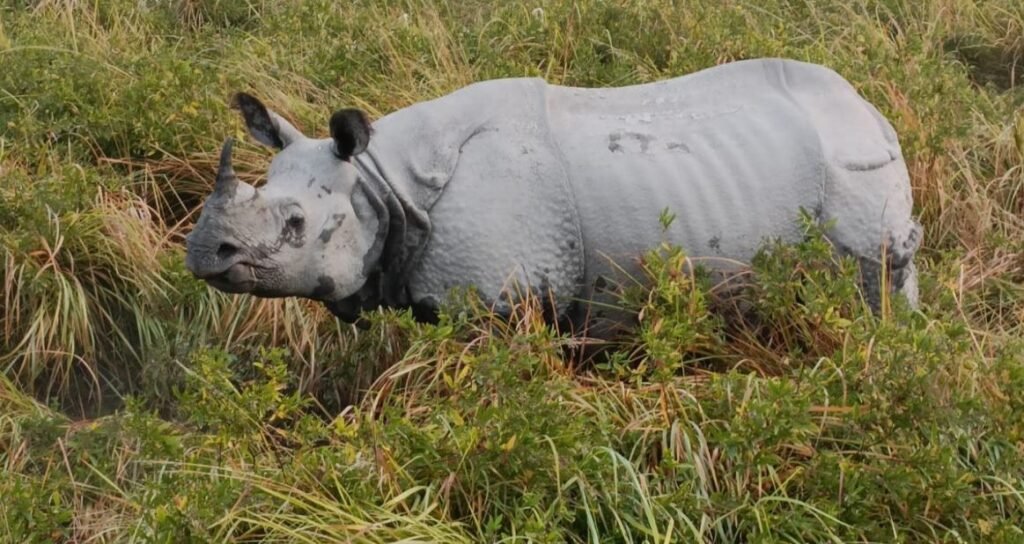
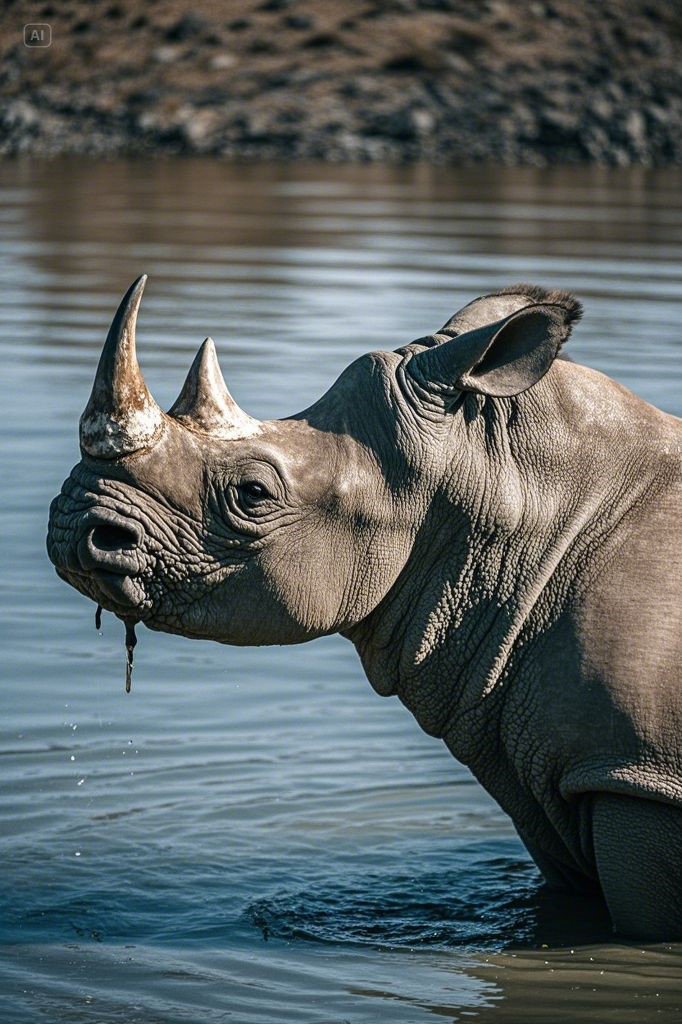
At the heart of India’s rhino conservation story is Assam.
The state is home to nearly 80 per cent of the world’s greater one-horned rhino population, making it one of the most important landscapes for the species globally. Among Assam’s conservation successes, Kaziranga National Park stands out for its long-running efforts to protect rhinos and curb poaching.
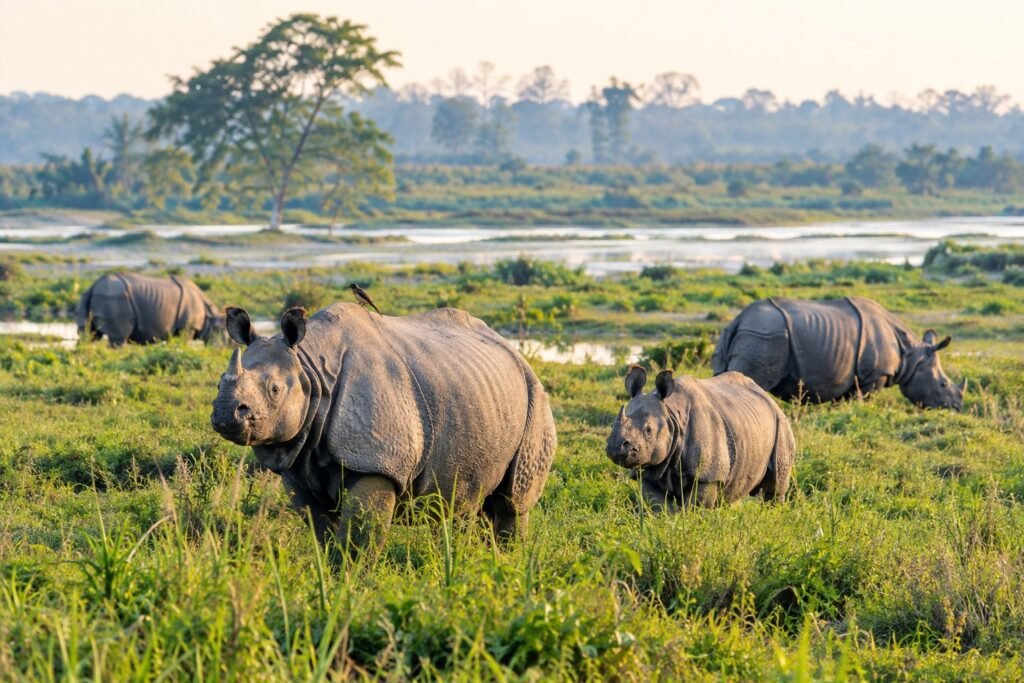
The protection of the greater one-horned rhino, however, extends beyond a single landscape. Its future depends on maintaining and strengthening populations across several states and ensuring that suitable habitats remain secure.
India’s experience has increasingly demonstrated the value of managing rhinos across multiple landscapes rather than relying on one stronghold.
Beyond Assam
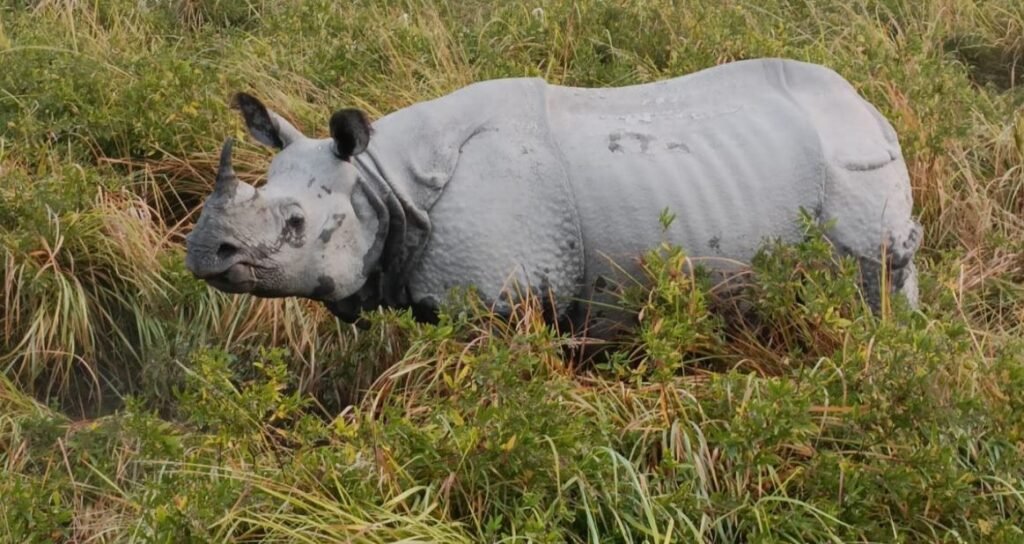
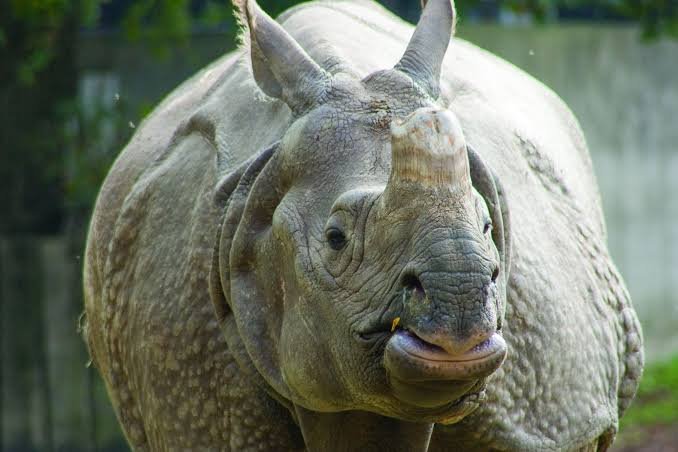
The conservation story is gradually expanding across India.
West Bengal and Bihar have played important roles in protecting and restoring rhino populations, while Dudhwa in Uttar Pradesh has emerged as an important example of rhino reintroduction.
The effort to establish rhinos in Dudhwa represents a broader conservation principle: when suitable habitat exists, carefully planned reintroduction can help restore species to landscapes where their populations have declined or disappeared.
These initiatives also underline the importance of active wildlife management—habitat protection, monitoring, anti-poaching measures and scientifically guided population management working together rather than in isolation.
From Protection to Population Management
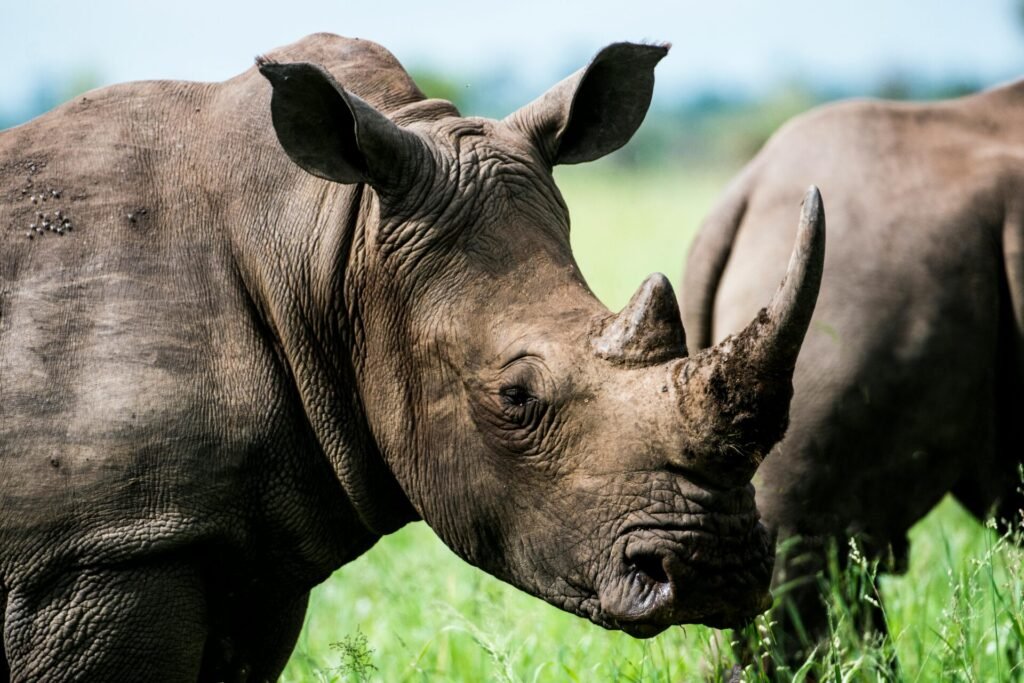
Project Rhino goes beyond simply increasing protection on the ground.
The programme places emphasis on habitat management, genetics and population dynamics—areas that are becoming increasingly important as wildlife populations recover.
As rhino numbers increase in individual protected areas, conservation managers must understand issues such as genetic diversity, population structure, habitat carrying capacity and the movement of animals between landscapes.
Maintaining genetic diversity is particularly important for the long-term resilience of isolated populations. Similarly, understanding how populations grow, reproduce and interact with their habitats can help managers make better decisions about future conservation interventions.
A Larger Conservation Landscape
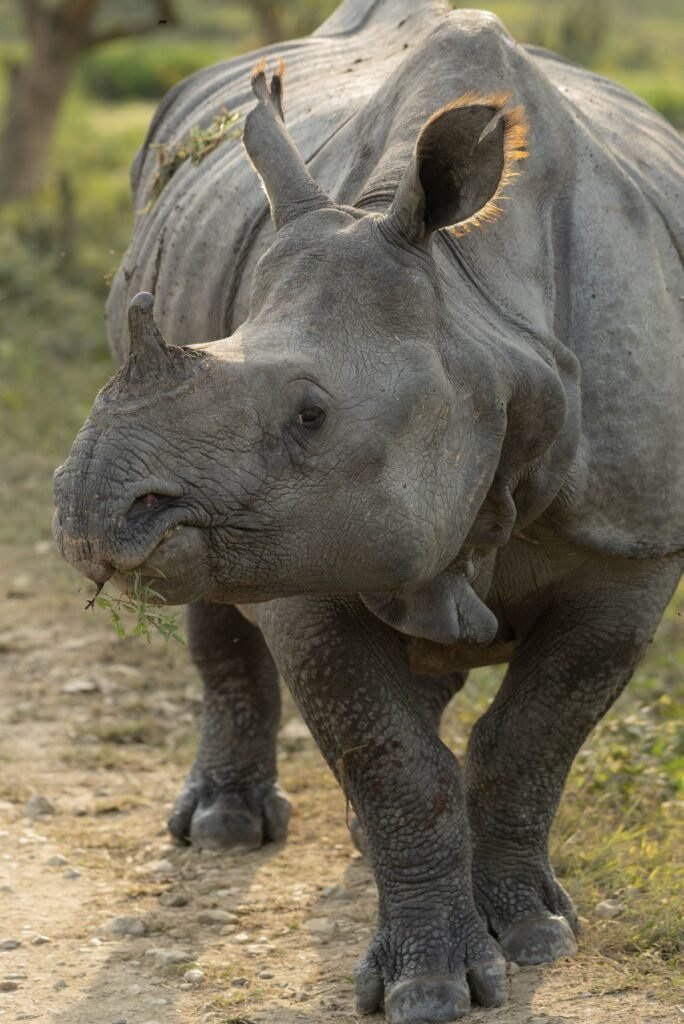
The greater one-horned rhinoceros was once far more widely distributed across the floodplains and grasslands of the Indian subcontinent. Habitat loss, hunting and poaching dramatically reduced its range.
Today, conservation has allowed the species to recover in several parts of its remaining range. Yet recovery also creates a new set of challenges.
More rhinos require more secure habitat. Growing populations need adequate food and water resources. Concentrated populations can also become vulnerable to disease, environmental changes and local habitat pressures.
This makes landscape-level conservation increasingly important.
Project Rhino could therefore represent a shift from a predominantly protection-oriented approach towards a broader population and landscape-management strategy.
The Road Ahead
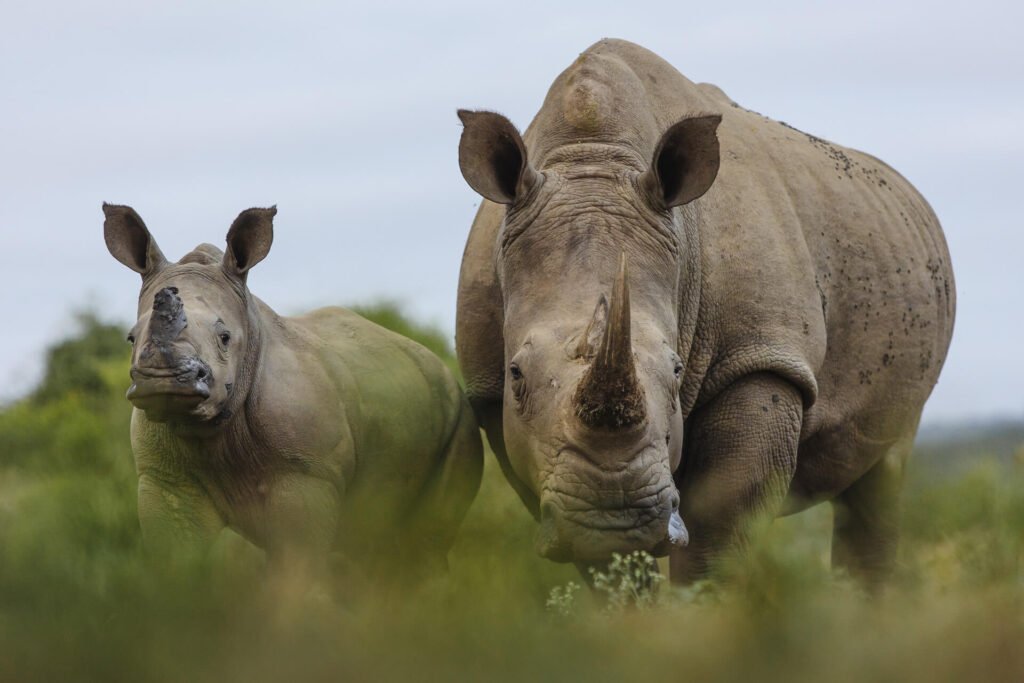
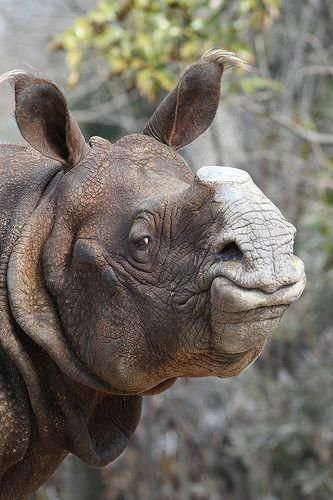
India’s rhino conservation story is no longer confined to Kaziranga. From Assam to West Bengal, Bihar and Uttar Pradesh, a network of conservation efforts is gradually shaping the future of the species.
The announcement of Project Rhino brings these efforts under a wider national framework, with financial and technical support intended to strengthen conservation in rhino range states.
Its success, however, will ultimately depend on what happens on the ground: stronger habitat protection, effective anti-poaching systems, scientific monitoring, genetic management and cooperation between states and conservation agencies.
The greater one-horned rhinoceros has already demonstrated its ability to recover when given space and protection.
Project Rhino now seeks to ensure that this recovery is not only sustained—but carried into the future.