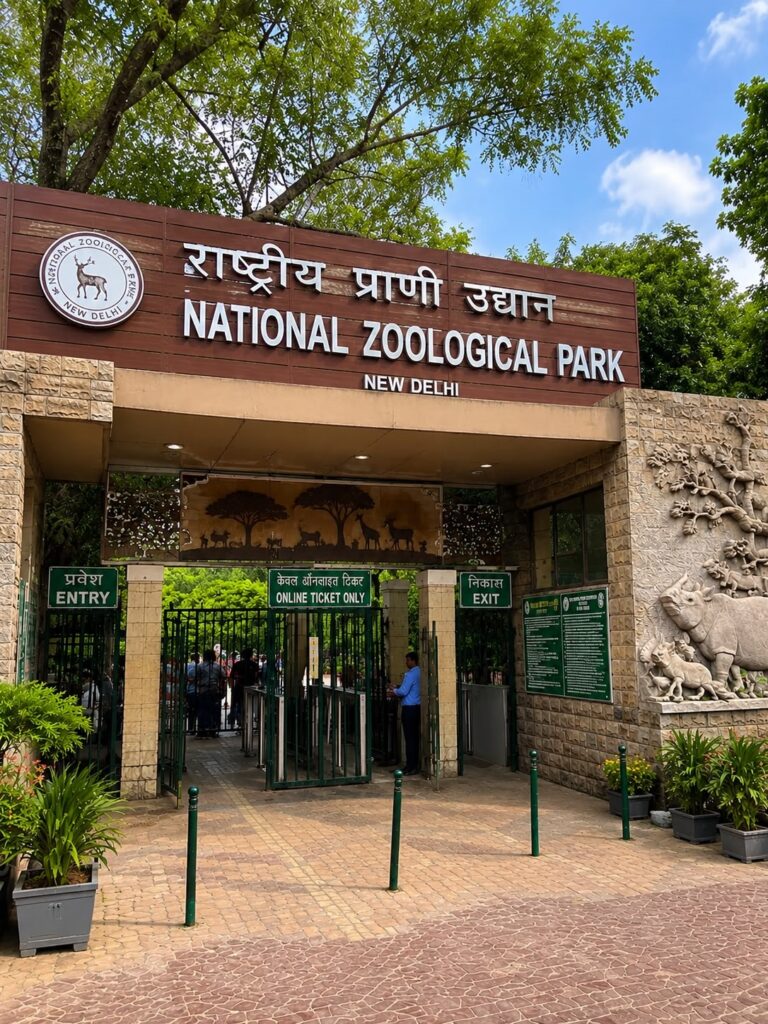
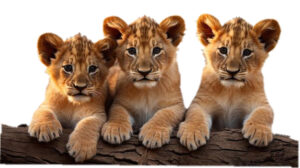
The birth of three healthy Asiatic lion cubs at Delhi Zoo has brought excitement and hope to wildlife lovers and conservationists across India. Born on 7 July to lioness Mahagauri and lion Maheshwar, the cubs mark an important achievement in the zoo’s conservation breeding programme for the endangered Asiatic lion. Their arrival is not only a joyful occasion but also a reminder of the vital role modern zoos play in protecting threatened wildlife.
According to Delhi Zoo Director Dr. Sanjeet Kumar, all three cubs are healthy and are growing under the constant care of their mother. They are currently being kept in a secure maternity enclosure where they can develop in a peaceful and stress-free environment. Like all newborn lion cubs, they were born with their eyes closed and are expected to open them within seven to ten days. During this delicate period, the cubs depend entirely on their mother for warmth, nourishment, and protection.
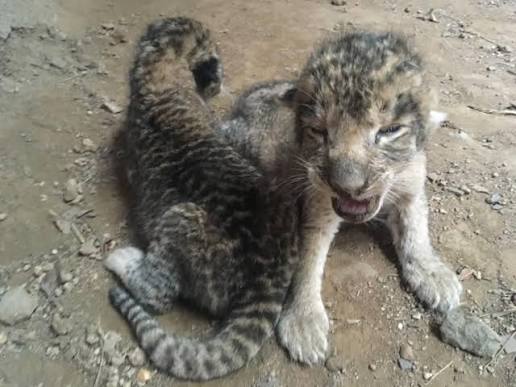
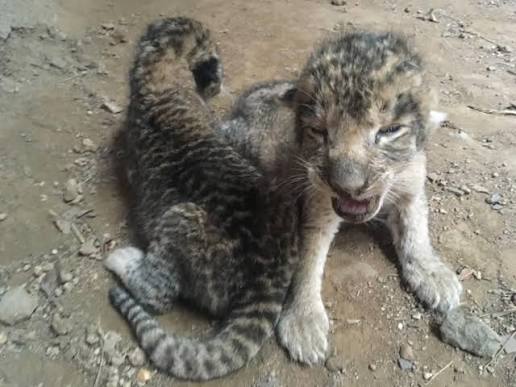
To ensure the well-being of the new family, the zoo’s veterinary team is monitoring them around the clock through CCTV cameras. This allows experts to observe their behaviour without disturbing the mother or her cubs. One of the most encouraging signs is that Mahagauri is successfully nursing all three cubs, giving them the essential nutrients they need during the early stages of life.
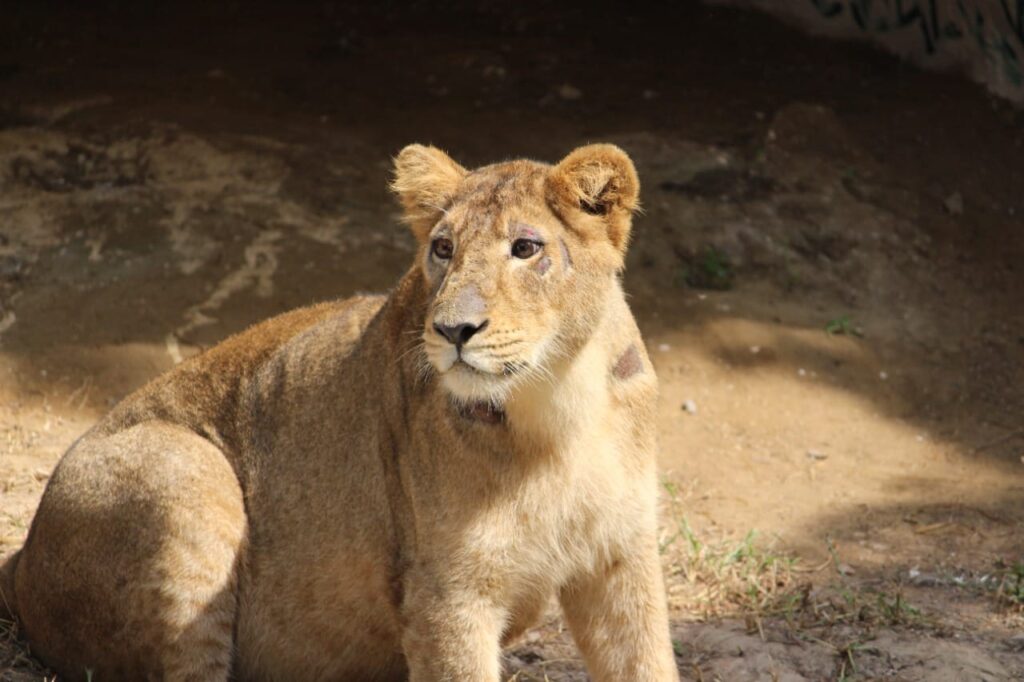
This successful birth is particularly meaningful because Mahagauri’s first experience as a mother was challenging. During her previous litter, she was unable to feed all of her cubs adequately, and some did not survive. The zoo’s veterinary staff worked tirelessly to save the remaining cubs by feeding them a special milk formula through nipple bottles every two hours. Their dedication helped the surviving cubs grow into healthy young lions. The experience strengthened the zoo’s animal care practices and prepared the team for future breeding successes.
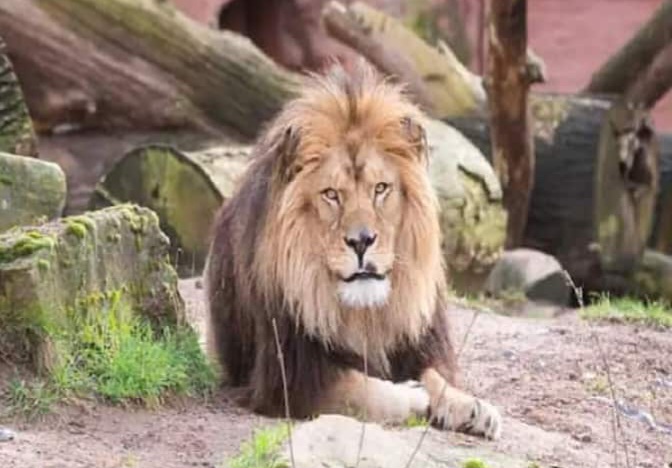
The Asiatic lion (Panthera leo persica) is one of the world’s rarest big cats and is found only in India. Once distributed across parts of Asia and the Middle East, the species suffered a dramatic decline because of hunting and habitat loss. Today, nearly the entire wild population lives in and around Gir National Park and Wildlife Sanctuary in Gujarat. Although conservation efforts have helped increase their numbers, the species remains vulnerable because most wild lions are concentrated in a single geographical region. For this reason, scientifically managed breeding programmes in accredited zoos play an important role in maintaining healthy genetic diversity and supporting long-term conservation efforts.
Modern zoos have evolved into centres for wildlife conservation, education, and scientific research. Beyond providing homes for animals, they contribute to breeding endangered species, improving veterinary medicine, conducting behavioural studies, and raising public awareness about biodiversity. The successful birth of Mahagauri’s cubs highlights how teamwork, expert veterinary care, and responsible animal management can make a significant contribution to species conservation.
Before the birth of these cubs, Delhi Zoo was home to six Asiatic lions—three males and three females. With the arrival of the three newborns, the zoo’s lion population has now increased to nine. The growing pride reflects the zoo’s continued commitment to protecting one of India’s most iconic species.
The tiny cubs may not yet have opened their eyes, but they have already captured the attention of the nation. Their birth represents far more than an increase in numbers—it is a symbol of hope for the future of the Asiatic lion. As they grow stronger under the watchful care of their mother and the dedicated zoo staff, these cubs stand as living proof that conservation efforts, when supported by science and commitment, can help secure a brighter future for endangered wildlife.