The 2010 Deepwater Horizon disaster in the Gulf of Mexico continues to leave a lasting mark on marine life. A new study reveals significant declines in fish, shrimp, krill and other deep-water creatures, highlighting the long-term ecological consequences of one of the world’s worst marine oil spills.
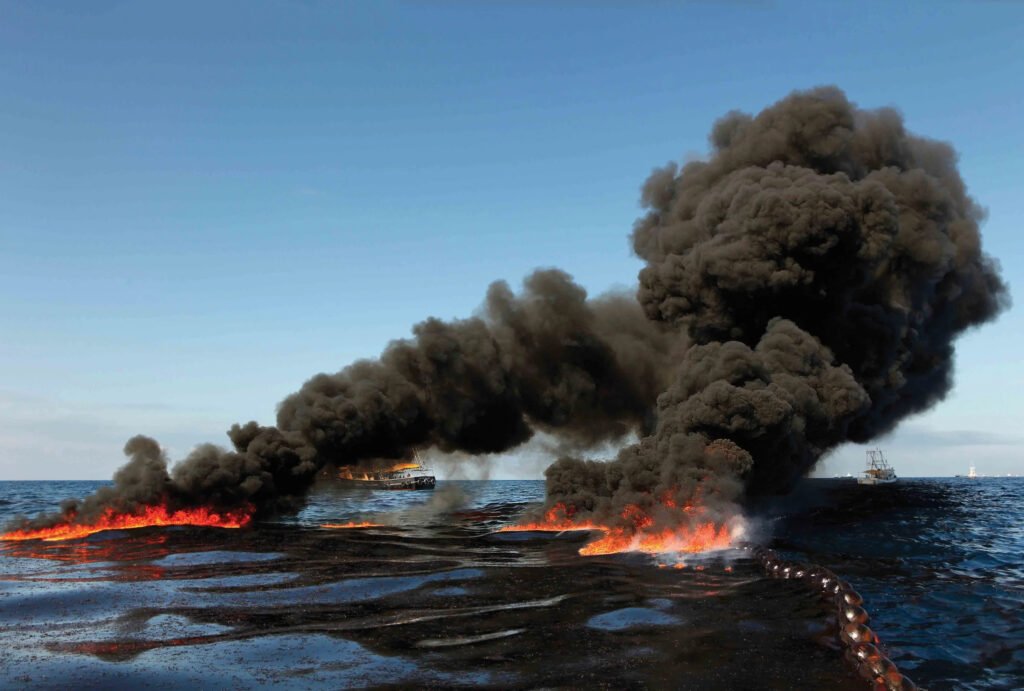
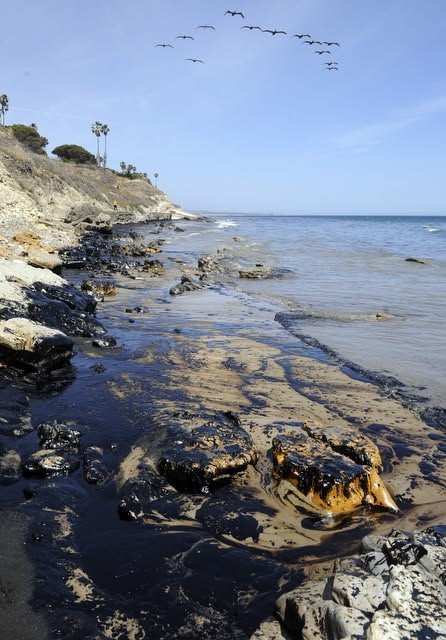
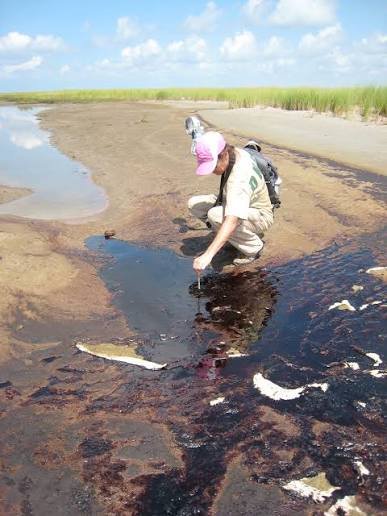
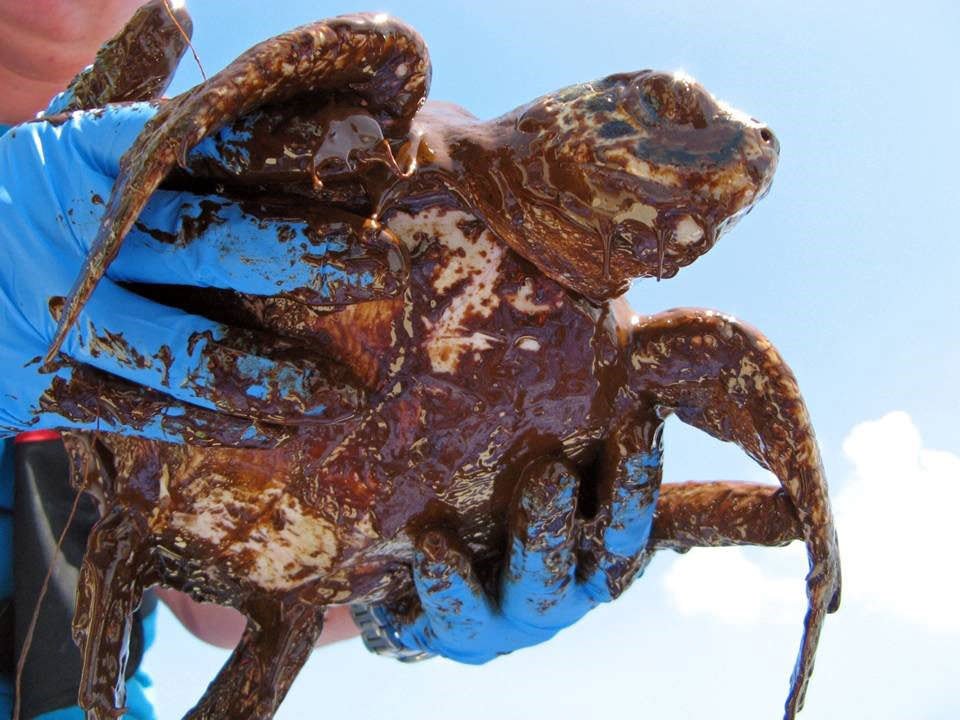
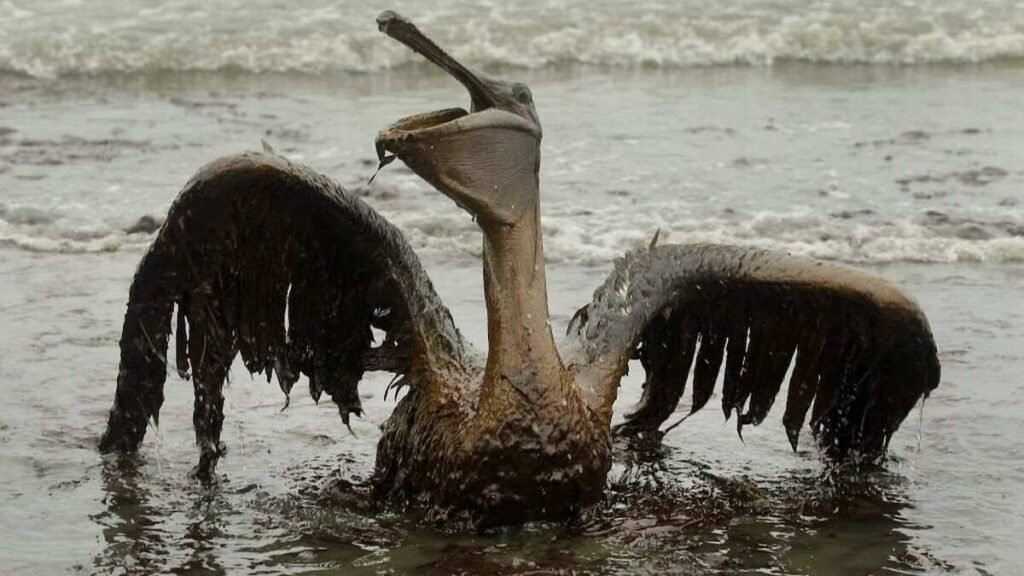
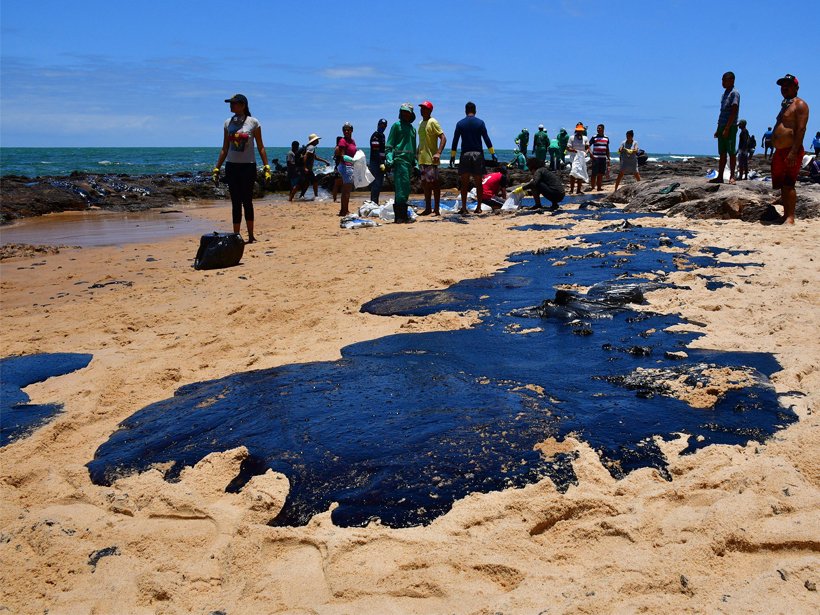
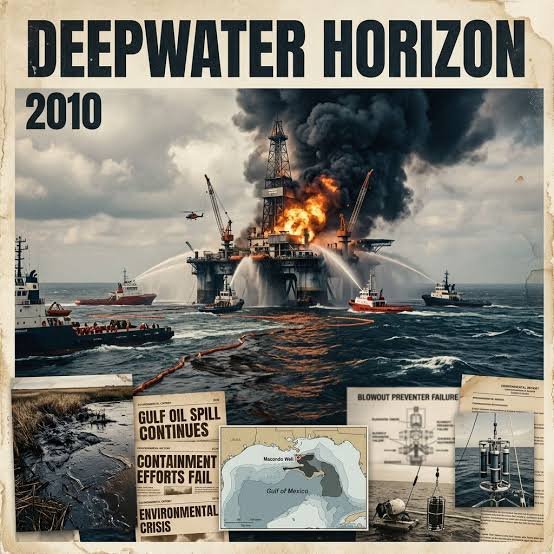
On April 20, 2010, an explosion aboard the Deepwater Horizon oil rig in the Gulf of Mexico triggered a catastrophic environmental disaster. The incident, linked to BP’s offshore drilling operations, claimed the lives of 11 workers and led to an uncontrolled release of oil into the ocean for nearly five months. An estimated 134 million gallons of oil spilled into the Gulf, contaminating marine habitats and threatening wildlife across the region.
Sixteen years later, the consequences of the disaster remain visible beneath the waves.
A new study published in the scientific journal Proceedings of the National Academy of Sciences (PNAS) has revealed substantial declines in the abundance of marine organisms inhabiting the Gulf’s deep-water twilight zone. This region, located between the sunlit surface waters and the dark depths of the ocean, supports a diverse community of animals that play a vital role in marine food webs.
A Dramatic Decline in Marine Life
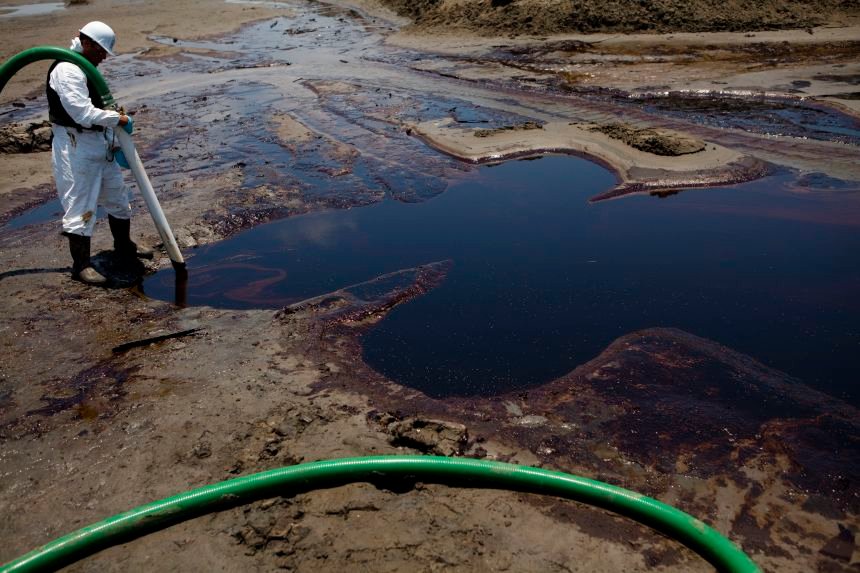
Researchers examined long-term data to investigate how the oil spill affected marine populations and whether these communities had recovered over time. Their findings revealed considerable declines in several groups of organisms between 2011 and 2015.
Fish abundance fell by approximately 63.5 per cent, while shrimp and other small crustaceans declined by around 62 per cent. Squid and octopus populations decreased by approximately 59.7 per cent. Krill experienced an even sharper decline, with numbers falling by nearly 72 per cent. Lanternfish, another important component of the deep-sea ecosystem, declined to roughly one-third of their earlier abundance.
To assess the changes, scientists surveyed marine life at different depths using nets and sonar technology. After conducting initial observations in 2011, they returned to the same area approximately three and a half years later. The subsequent surveys revealed that many marine organisms had declined to just one-quarter or one-third of their earlier abundance.
These findings raise serious concerns about the resilience of deep-sea ecosystems following large-scale environmental contamination.
How Oil and Dispersants May Have Affected Deep-Sea Wildlife
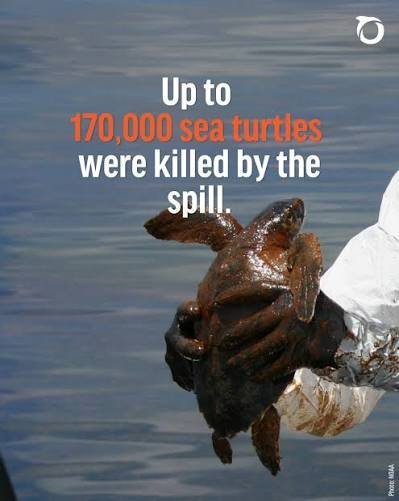
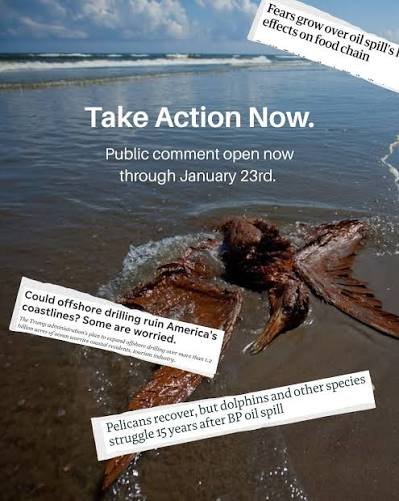
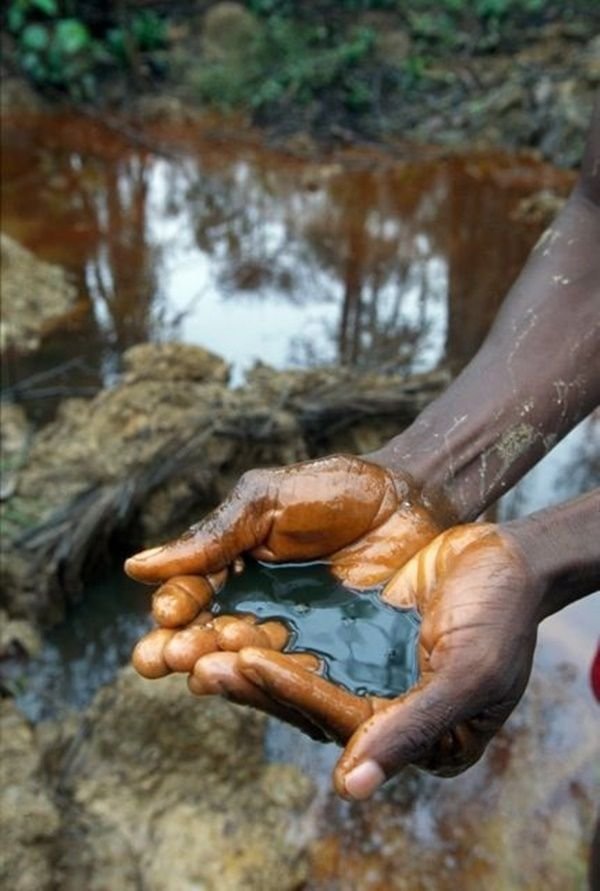
The damage may not have been limited to the oil itself. Chemicals known as dispersants, used during the cleanup operation to break oil into smaller droplets, may also have contributed to the exposure of marine organisms in deeper waters.
By breaking oil into smaller droplets, dispersants can alter how petroleum moves through the water column, potentially exposing organisms far below the ocean surface. Deep-water animals may consequently encounter contaminants through direct contact, feeding or other pathways.
The research team also investigated other possible influences, including water temperature, oxygen levels and food availability. However, these factors did not adequately explain the scale of the observed declines.
The researchers therefore identified the oil spill as a leading possible explanation for the population changes, while acknowledging that the study did not establish oil contamination as the sole cause.
Why the Loss of Small Creatures Matters
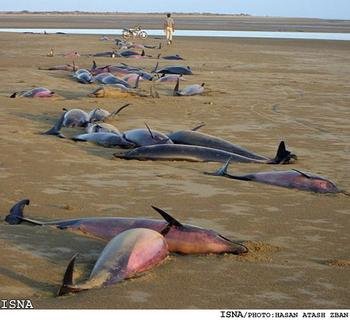
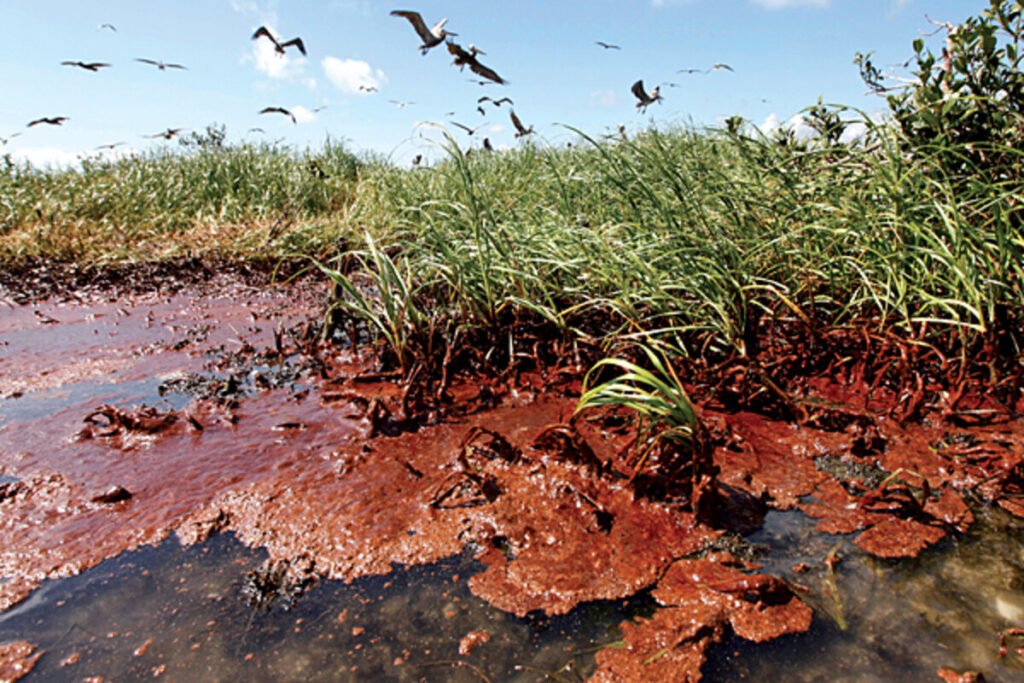
The decline of small marine organisms can have consequences far beyond the species directly affected. Krill, shrimp and other small animals form an essential link in the ocean’s food web, providing nourishment for larger fish, squid and numerous marine predators.
Lanternfish are particularly important in the twilight zone. Many migrate vertically through the water column, travelling towards the surface at night to feed and returning to deeper waters during the day. These movements help transfer energy and nutrients between different ocean layers.
When populations of small organisms decline, predators may face reduced food availability. Such changes can disrupt feeding relationships, alter the movement of marine animals and affect the wider ecological balance.
The deep ocean is not an isolated environment. Its inhabitants are connected to surface waters through migration, feeding and the movement of organic matter. Damage to one part of this system can therefore have implications across the marine ecosystem.
The Long Shadow of an Environmental Disaster
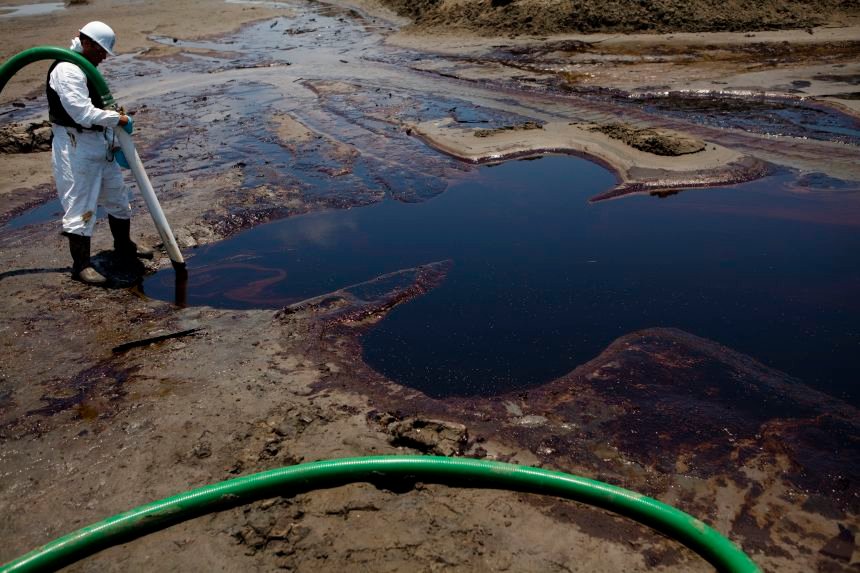
The Deepwater Horizon disaster demonstrates that the consequences of an oil spill can extend well beyond the period during which oil is visibly leaking into the sea. Even after emergency cleanup operations end, ecological disturbances may persist, particularly in environments that are difficult to monitor and study.
The Gulf of Mexico’s twilight zone presents a particular challenge because sunlight is limited, organisms are often widely dispersed, and many species remain poorly understood. Monitoring changes in their abundance requires repeated surveys and long-term scientific observation.
Although the study does not establish that every population decline was caused exclusively by the spill, its findings provide important evidence of substantial changes in deep-water marine communities during the years following the disaster.
For wildlife conservation, the message is clear: preventing pollution is far more effective than attempting to repair damage after it occurs. Stronger safeguards for offshore drilling, improved emergency preparedness and sustained monitoring of deep-sea habitats are essential to reducing the risks posed by future oil spills. Sixteen years after Deepwater Horizon, the Gulf of Mexico remains a reminder that the ocean’s hidden wildlife can bear the consequences of human activity long after the headlines fade. Protecting these ecosystems requires not only responding to disasters, but also understanding the fragile relationships that sustain life beneath the surface.