A 250-kilometre journey from Bandhavgarh to Prayagraj may be revealing more than an elephant’s wandering. It could be a glimpse of a forgotten or emerging wildlife corridor.
Sudhir J Kumar
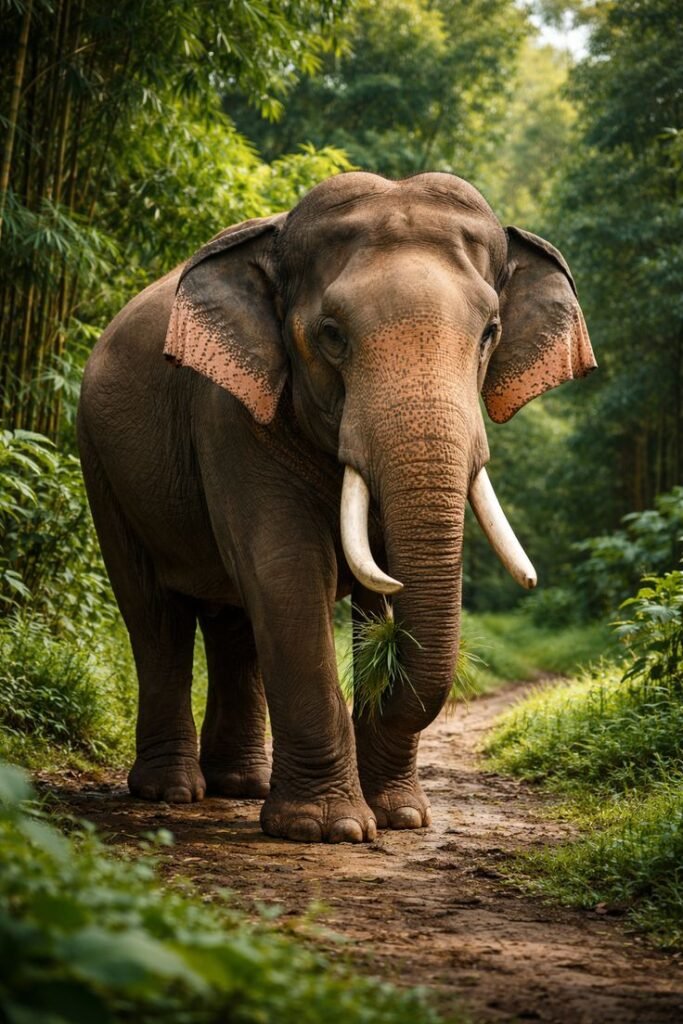
The forest does not recognise the boundaries we draw on maps.
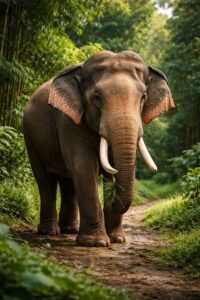
For two wild elephants moving through central and northern India, the journey was measured not in districts or administrative borders, but in forests, river valleys, patches of habitat and whatever natural pathways remained open.
Starting from the landscape of Bandhavgarh Tiger Reserve in Madhya Pradesh, the pair travelled nearly 250 kilometres before reaching the forests of Prayagraj in Uttar Pradesh. Their route took them through the Rewa and Mirzapur regions—a remarkable movement that has now caught the attention of wildlife experts.
The question is not simply why the elephants travelled so far.
It is where they travelled—and what their journey may tell us about the landscape.
According to location information obtained through a radio collar fitted to the male elephant, the pair moved through forest areas and natural passages connecting fragmented habitats before eventually reaching Prayagraj. The collar has provided an unusual window into their journey, allowing researchers to follow their movements and understand where they stopped, how long they remained in particular areas and which routes they preferred.
For conservationists, such information can be invaluable.
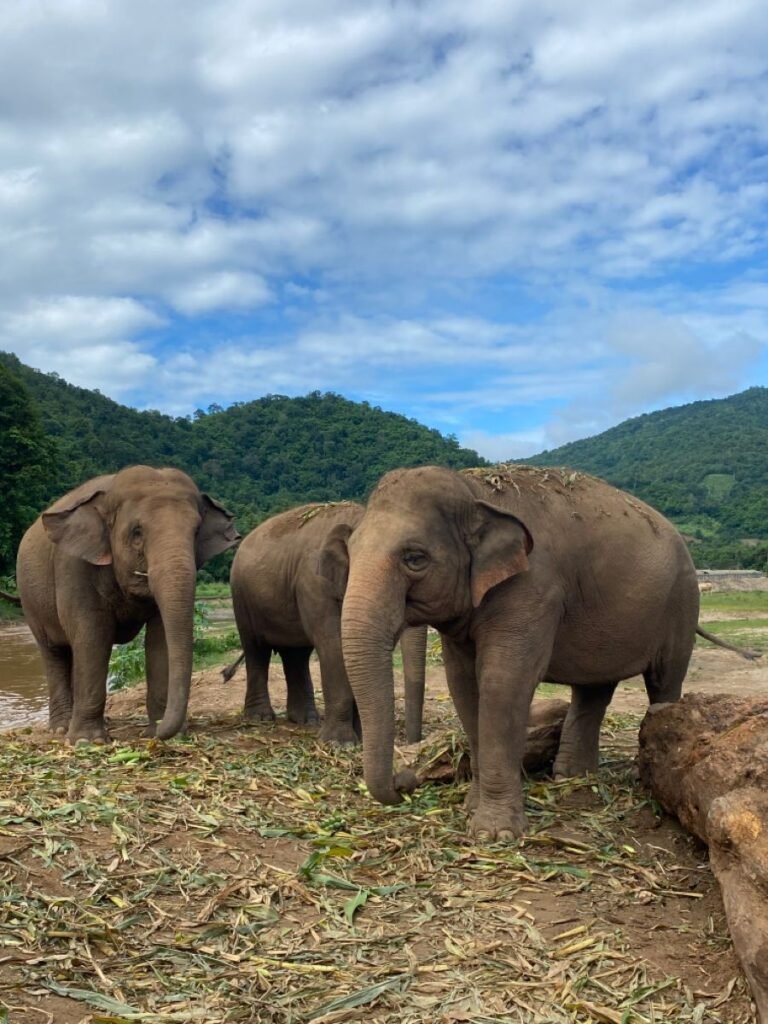
Elephants are highly mobile animals. Their survival depends not only on the availability of forests but also on their ability to move between them. Food and water availability, seasonal changes, breeding and social behaviour can all influence their movements. When traditional pathways disappear beneath roads, farms, settlements or other development, elephants are often forced to find alternatives.
Sometimes, those alternatives lead somewhere unexpected.
The journey towards Prayagraj has therefore raised an intriguing possibility: could this be an emerging elephant corridor—or evidence of a route that existed long before modern landscapes divided it into separate pieces?
Experts are now interested in scientifically studying the route to understand whether the movement represents a newly developing corridor or an older passage that elephants may have used historically.
That distinction matters.
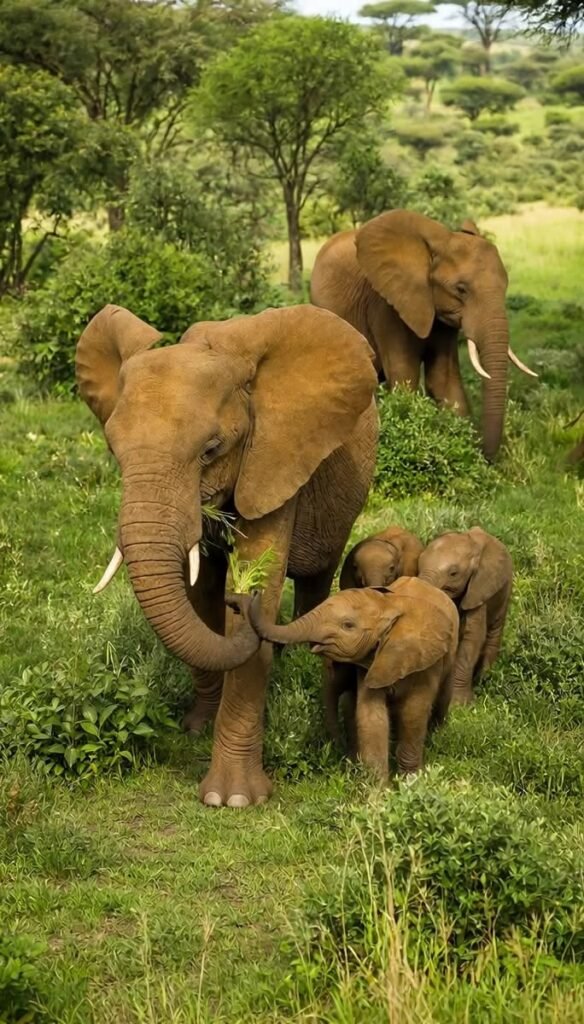
A corridor is more than a line on a map. It is a living connection between habitats. Protecting such connections can determine whether wildlife populations remain linked or become increasingly isolated.
The landscape around Bandhavgarh and neighbouring forest regions is already seeing elephant movement, making the need to understand their behaviour increasingly important. A proposed three-year scientific study, with researchers from the Wildlife Institute of India in Dehradun, aims to examine elephant movement, habitat use and areas where interactions with people could become sensitive.
The radio collar may tell researchers where an elephant went. But the larger story lies in why the landscape allowed it to get there.
As forests become fragmented, wildlife is increasingly dependent on the narrow threads that still connect one habitat to another. A road crossing, a riverbank, a forest patch or an agricultural edge can become part of a much larger ecological journey.
For people, 250 kilometres can seem like a long-distance expedition.
For an elephant, it can simply be a search for what the forest once promised: food, water, safety and space.
The two elephants have arrived in Prayagraj. What happens next may depend not only on where they choose to go, but on whether the landscape around them remains open enough to let them choose.
Their journey offers a quiet warning—and perhaps an opportunity.
Sometimes, wildlife does not discover a new road.
It reminds us that the old roads are still there.