By Wildlife Today Team
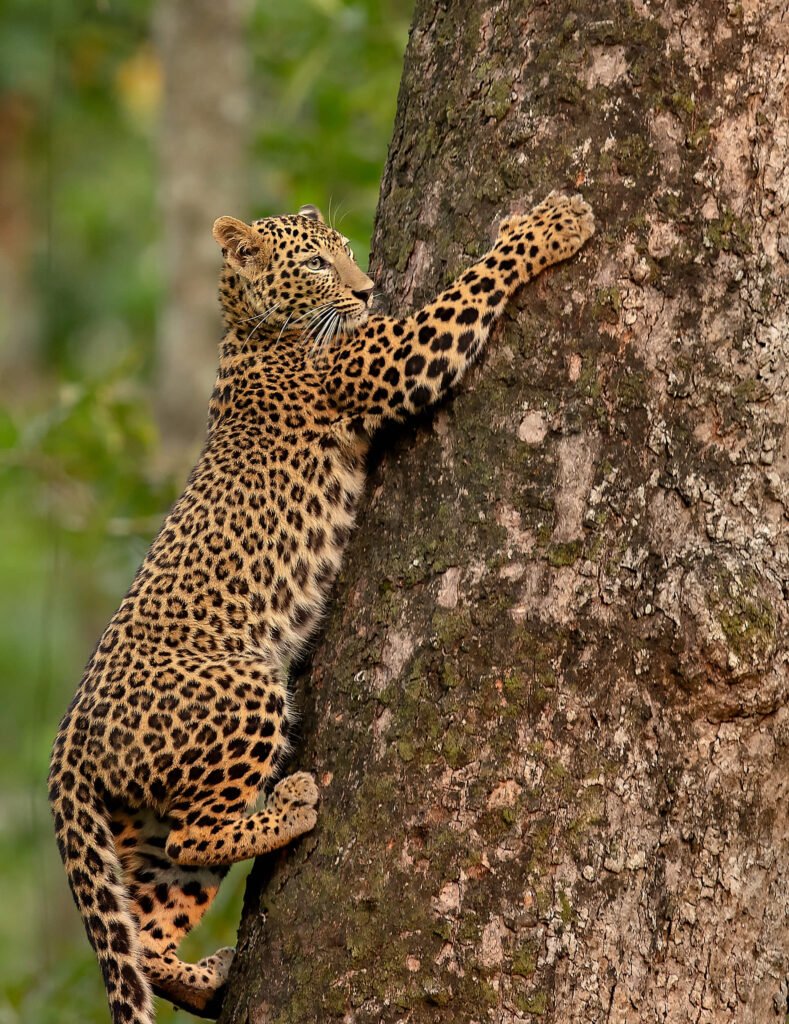

The forests of Madhya Pradesh have become the centre of a major wildlife crime investigation following the alleged killing and trafficking of 10 leopards. The state’s Special Task Force (STSF) has arrested another suspected smuggler from Morena, taking the total number of arrests in the case to 15 across three states.
The latest arrest has brought renewed attention to the organised networks that continue to threaten India’s wildlife. According to the investigation, the alleged poaching took place in and around the Kuno and Chambal sanctuary landscapes, areas known for their rich biodiversity and important populations of wild predators.
he accused, identified as Sukhdev, was arrested from Morena. Investigators are now working to establish his alleged role in the network and identify his links with other suspects. The investigation is also looking beyond individual poachers, focusing on the larger chain through which illegally obtained wildlife parts may have been transported and traded.
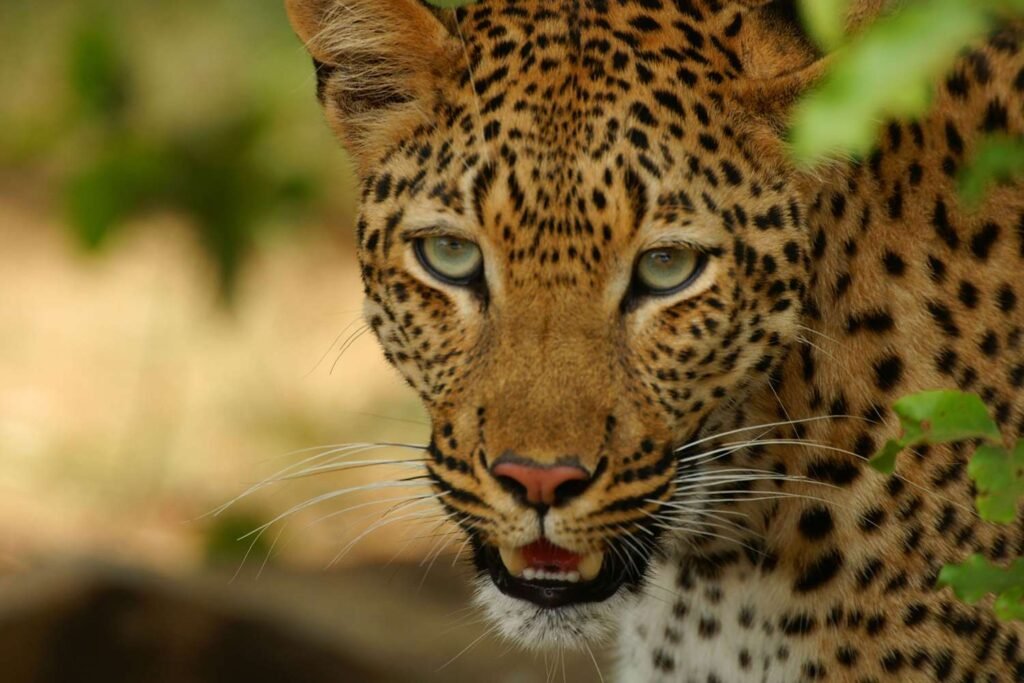
For Madhya Pradesh, the case is particularly significant. The state is home to some of India’s most important wildlife landscapes, where leopards play a vital role in maintaining ecological balance. As adaptable predators, they help regulate populations of smaller and medium-sized animals, making their presence an important part of a healthy forest ecosystem.
Yet their beauty and rarity have also made them targets for illegal wildlife trade. Leopard skins, claws, teeth and other body parts have historically been sought after in illicit markets. Behind every confiscated skin or animal part, however, is a life taken from the wild.
The loss of ten leopards is therefore more than a statistic. Each animal represents years of survival, territory and a place within the intricate web of the forest. Removing predators from an ecosystem can have consequences that extend far beyond the individual animals killed.
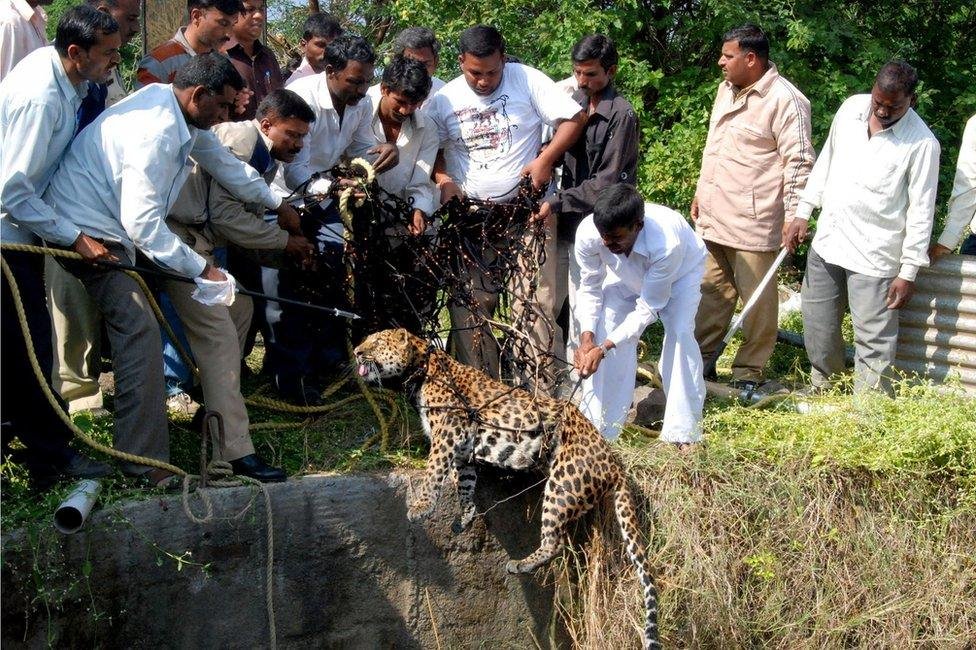
The growing number of arrests suggests that investigators are attempting to uncover the wider network rather than treating the case as a series of isolated incidents. The crucial questions now are: Who organised the killings? Who financed or facilitated the operation? Where were the wildlife parts being transported? And who were the intended buyers?
Answering these questions could be as important as the arrests themselves. Wildlife crime rarely ends with the person who pulls the trigger. It can involve a chain of hunters, middlemen, transporters and buyers operating across geographical boundaries.
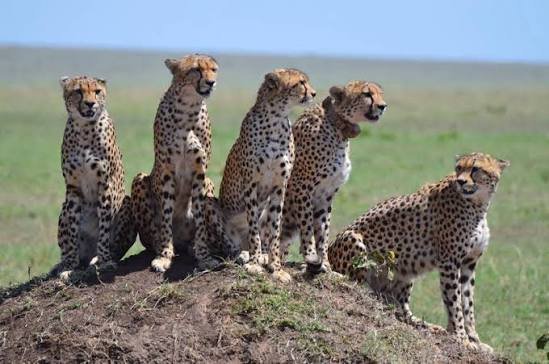
The Kuno and Chambal landscapes are therefore not just places on a map; they are critical habitats supporting some of India’s most remarkable wildlife. Protecting them requires sustained patrolling, intelligence-led investigations, technology, community participation and strong action against those who profit from illegal wildlife trade.
The STSF operation sends a powerful message: wildlife crime will not be treated as a minor offence. But the real measure of success will come when investigations move beyond arrests and expose the entire network responsible for turning wild animals into illegal commodities.
Ten leopards are already gone. Their absence will never be reversed.
What can still be changed is what happens next.
Protecting a leopard means protecting more than one animal—it means protecting the balance, mystery and wildness of the forest itself.