A scientific breakthrough in Assam could redefine the future of indigenous cattle conservation, dairy farming and livestock biotechnology.
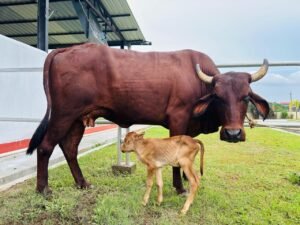
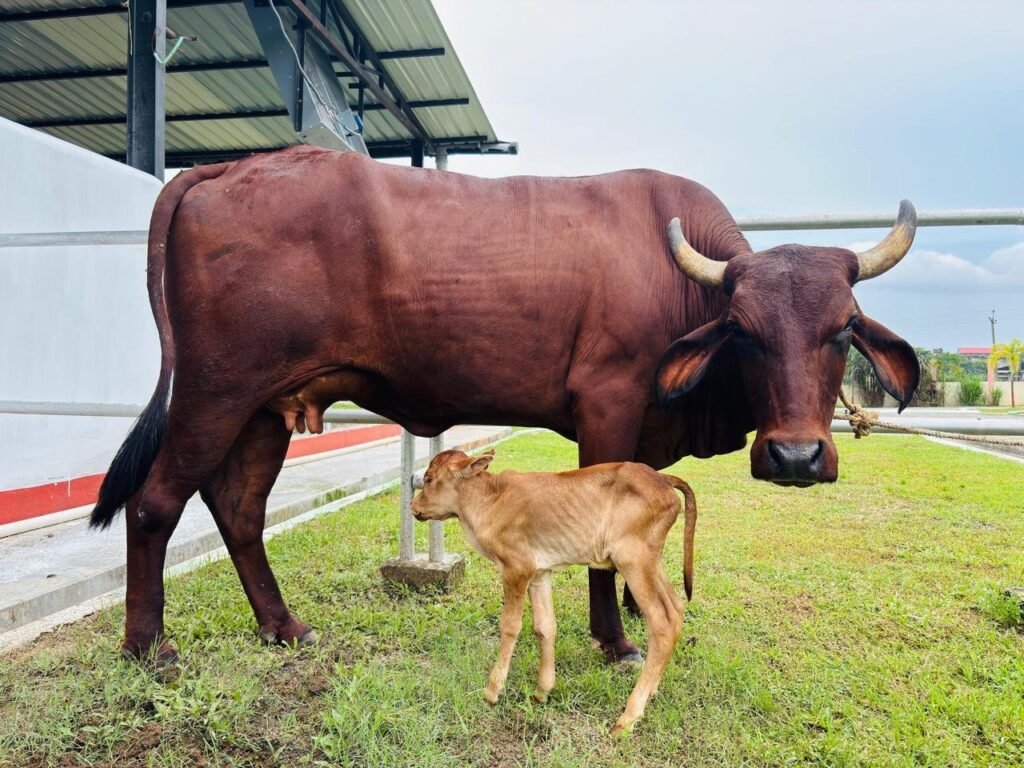
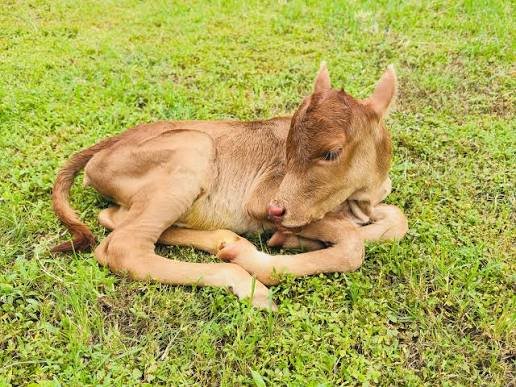
Guwahati, Assam: A remarkable chapter in livestock science has unfolded in Assam with the birth of the world’s first IVF female calf of the indigenous Lakhimi breed.
Born at the Assam Veterinary and Fishery University, the calf represents a significant achievement in reproductive biotechnology and indigenous breed conservation. For Assam, where the Lakhimi cattle breed is deeply connected with the region’s rural economy and cultural heritage, the birth carries significance far beyond the laboratory.
Assam Chief Minister Himanta Biswa Sarma described the achievement as a historic convergence of “Sabhyata, Sanskriti & Srijan”—civilisation, culture and creation.
Science Meets Indigenous Heritage
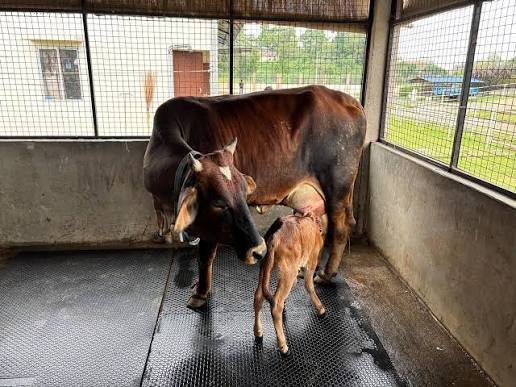
The Lakhimi breed is native to Assam and forms part of the state’s indigenous livestock heritage. The successful use of in-vitro fertilisation (IVF) in the breed opens new possibilities for preserving and multiplying valuable genetic traits.
For scientists and livestock experts, reproductive technologies such as IVF can provide a way to accelerate the propagation of desirable animals while supporting systematic conservation of indigenous breeds.
The breakthrough could also contribute to improved disease management and greater milk productivity, potentially strengthening the economic prospects of dairy farmers.
More Than a Calf
While the newborn calf may be small, its significance is enormous.
Indigenous cattle breeds often carry genetic characteristics adapted to local environmental conditions. Preserving these genetic resources is increasingly important as agriculture and livestock systems face challenges ranging from diseases and climate variability to changing production requirements.
Advanced reproductive technologies could help create a larger population of genetically valuable indigenous cattle while reducing the risk of losing unique local breeds.
For farmers, the long-term objective is equally important: healthier livestock, improved productivity and better incomes.
A New Era for Assam’s Dairy Sector
The achievement has been welcomed as a potential turning point for Assam’s dairy industry. By combining traditional livestock knowledge with modern biotechnology, the state could strengthen its indigenous cattle base while improving the efficiency of milk production.
The Chief Minister congratulated the veterinary scientists and professionals involved in the achievement, noting that their work could help usher in a new era for Assam’s dairy sector.
The birth also demonstrates how biotechnology is moving beyond laboratories and research institutions to address practical challenges in agriculture and rural livelihoods.
Preserving the Past, Creating the Future
The story of Assam’s first IVF Lakhimi calf is ultimately about more than reproductive science. It is about finding new ways to protect an indigenous genetic legacy while preparing livestock farming for the future.
As biotechnology advances, achievements like this could become increasingly important in ensuring that India’s native breeds are not merely preserved in history, but remain productive, resilient and relevant for generations to come.
The calf may be tiny today. But for Assam’s scientists, farmers and livestock sector, she represents a remarkably large step forward.