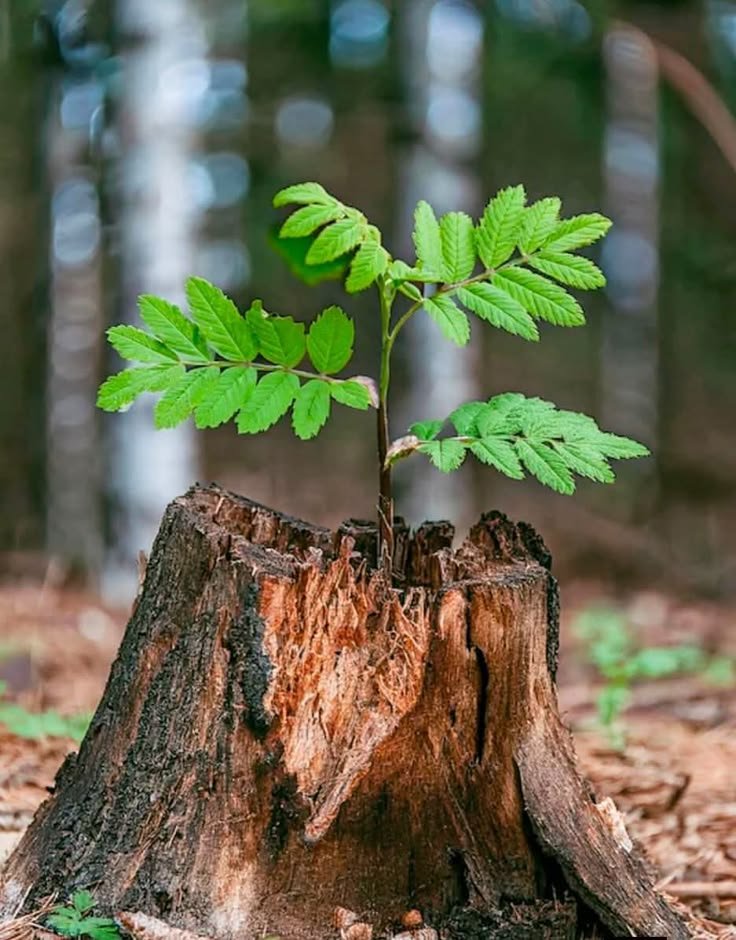
Building Better Connectivity While Preserving Uttarakhand’s Natural Heritage
There are roads that connect places, and there are roads that connect people with opportunity.
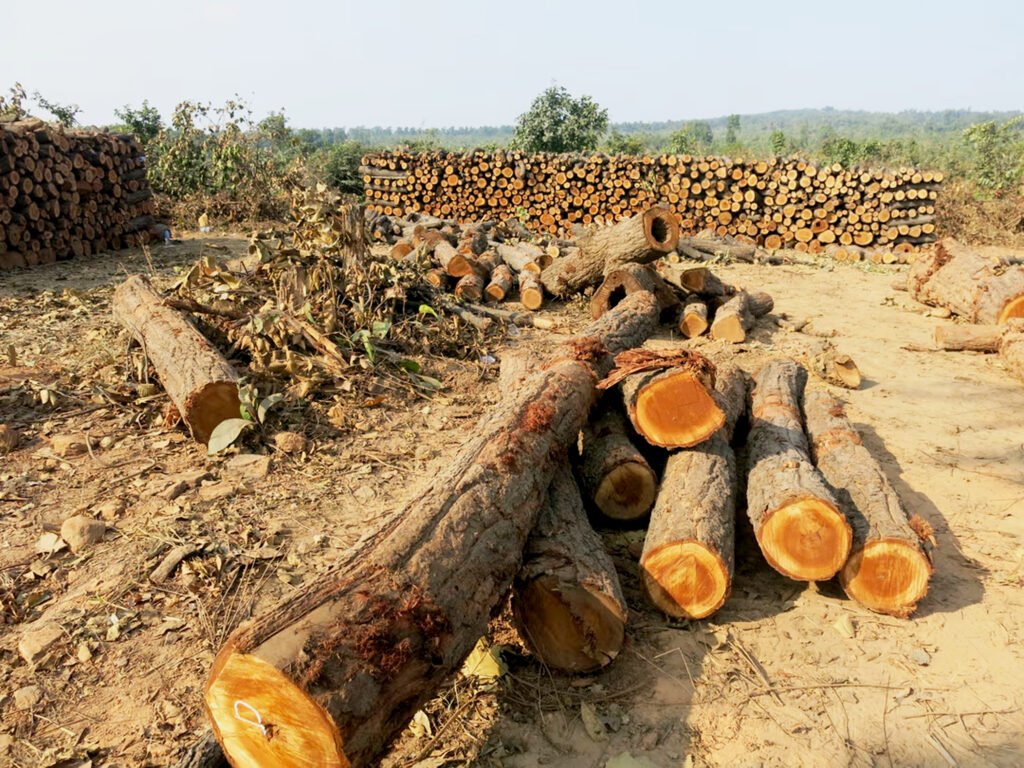
Between Dehradun, Jolly Grant Airport and Rishikesh, a major highway expansion is shaping a new chapter in Uttarakhand’s journey towards stronger connectivity and modern infrastructure. At the same time, the project highlights the importance of ensuring that development moves forward in harmony with the forests and ecosystems that define the state.
Uttarakhand has always been a land where infrastructure and nature exist side by side. Its mountains, forests and rivers attract millions of visitors while supporting communities and wildlife. As the state grows, maintaining this balance is becoming an increasingly important part of responsible development.
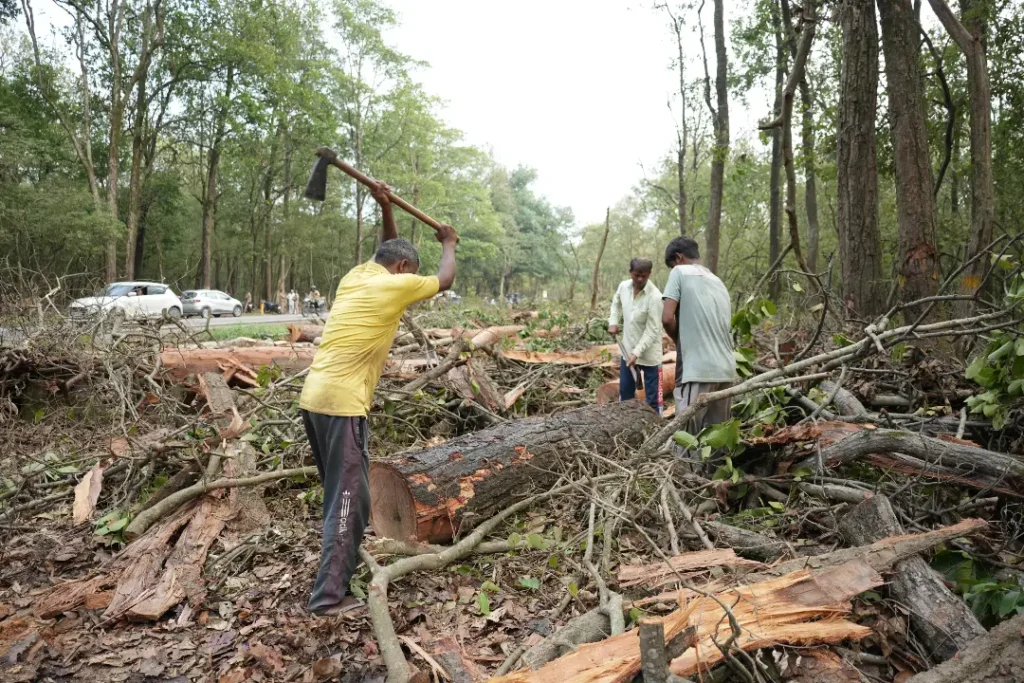
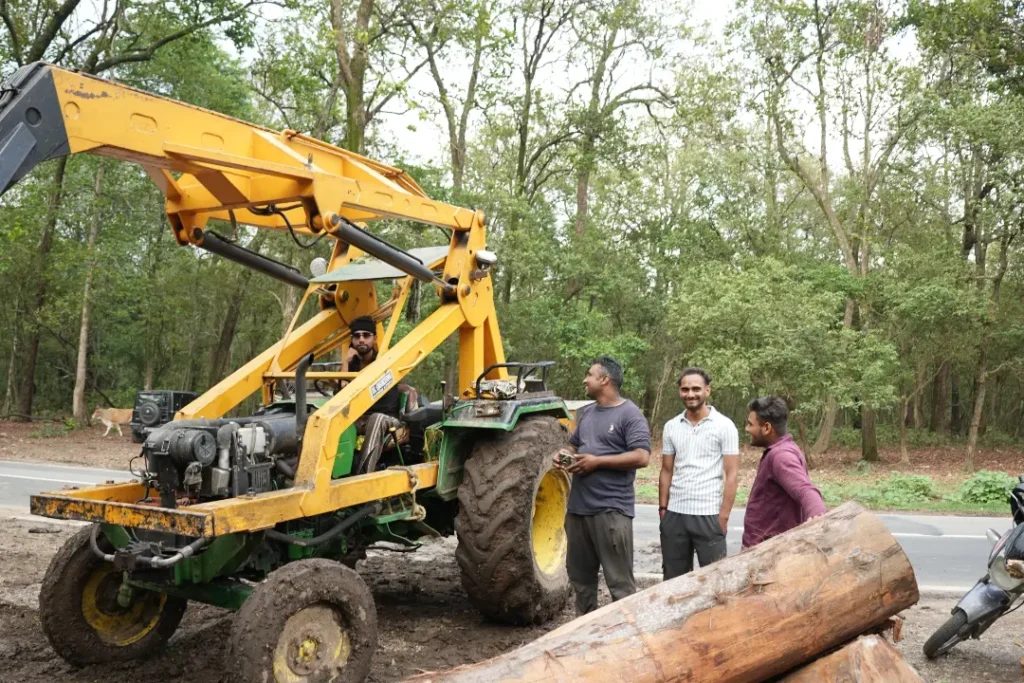
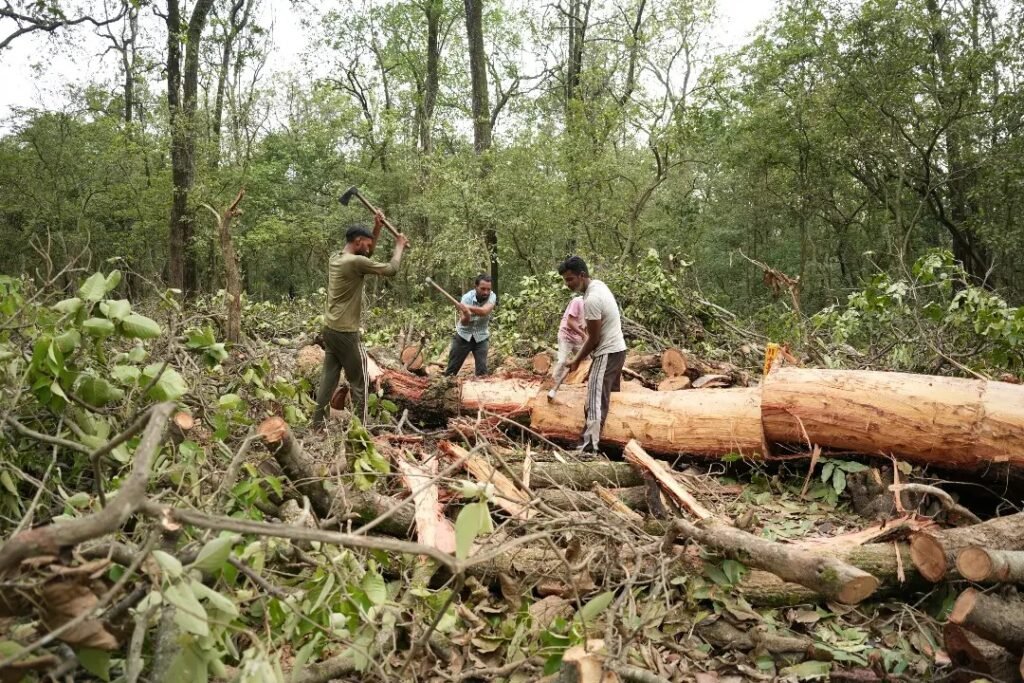
The approximately 20-kilometre highway project, estimated at ₹743 crore, is intended to strengthen the connection between Dehradun, Jolly Grant Airport and Rishikesh. It will help improve traffic movement, reduce congestion and support the increasing flow of tourists, pilgrims, local residents and commercial vehicles.
The project reflects a larger reality. Uttarakhand needs modern, safe and efficient infrastructure to support its growing economy and population.
Dehradun is expanding rapidly. Jolly Grant Airport has become an increasingly important gateway to the state, while Rishikesh continues to welcome pilgrims, tourists and adventure travellers throughout the year. Better road connectivity can create smoother journeys, improve accessibility and strengthen opportunities for local businesses and communities.
Development with Environmental Responsibility
Road construction in a state like Uttarakhand requires a thoughtful approach because its natural environment is one of its greatest strengths.
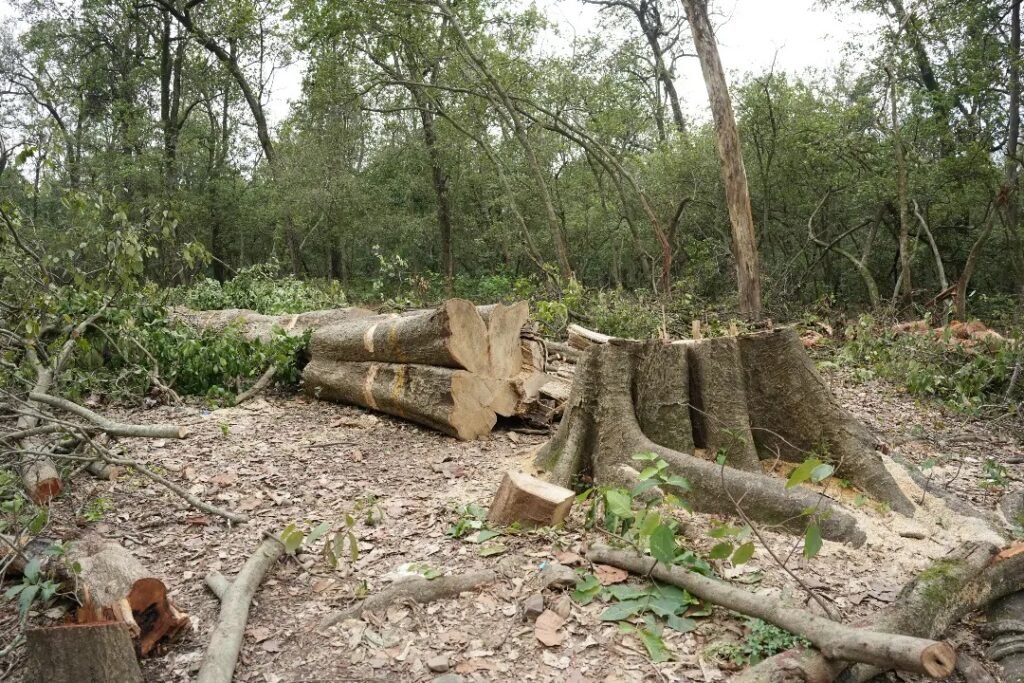
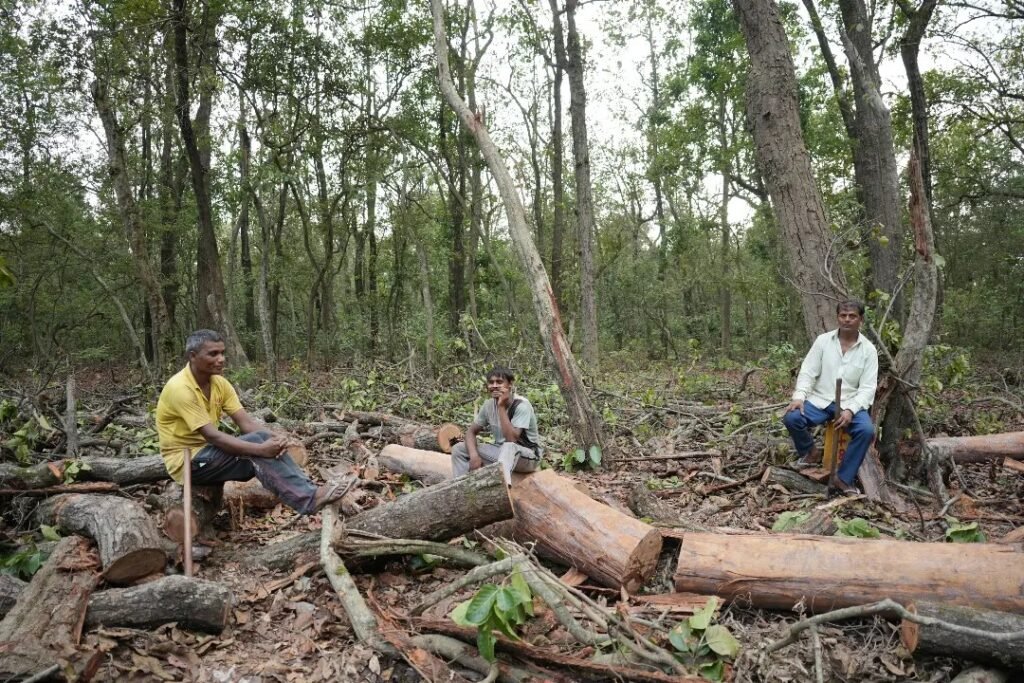
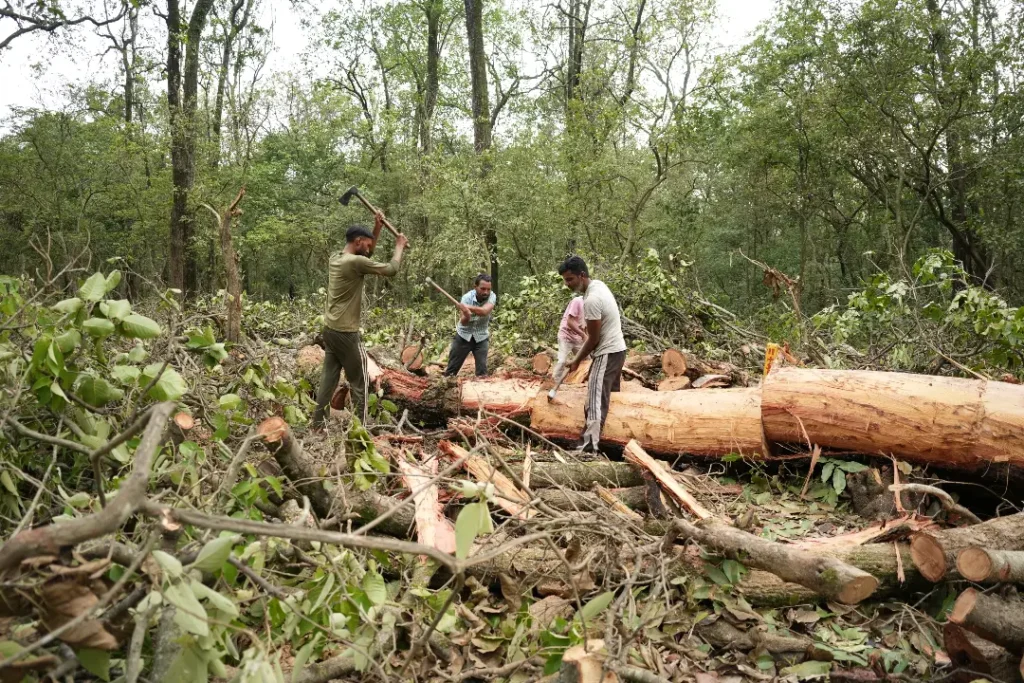
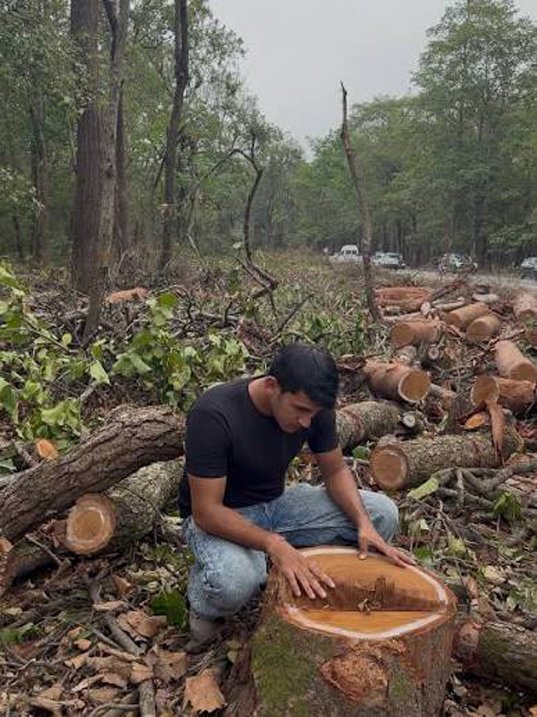
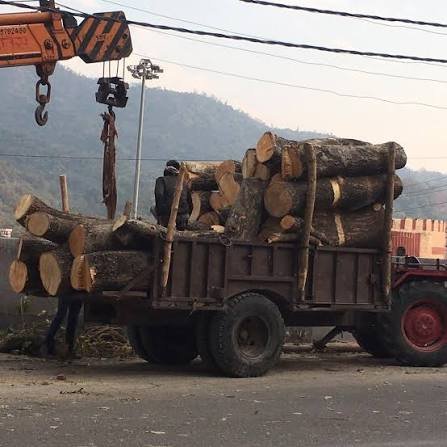
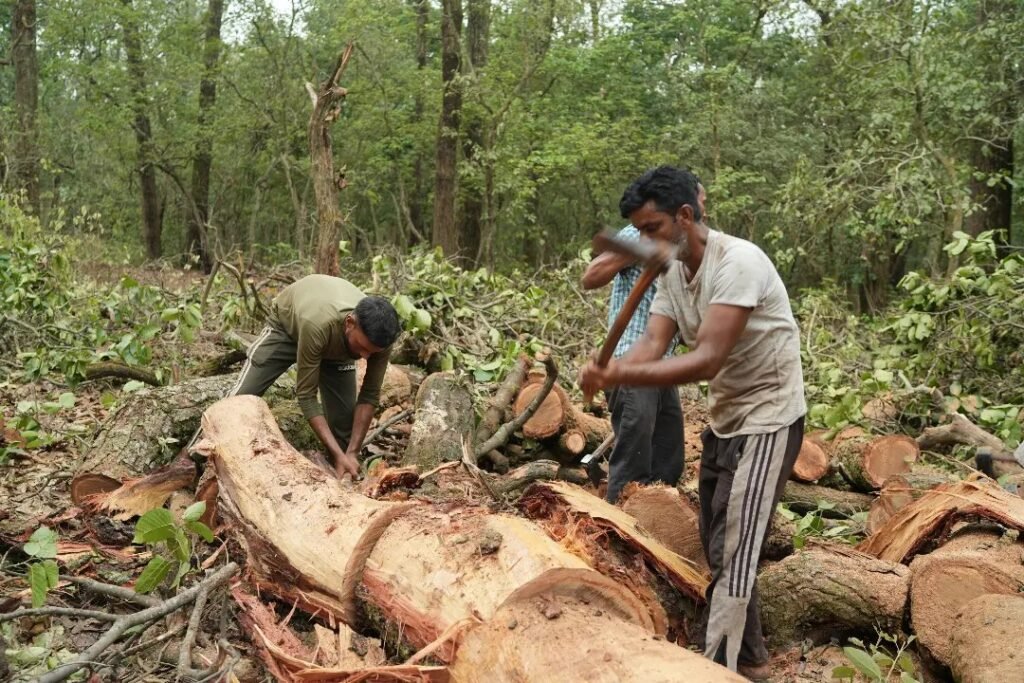
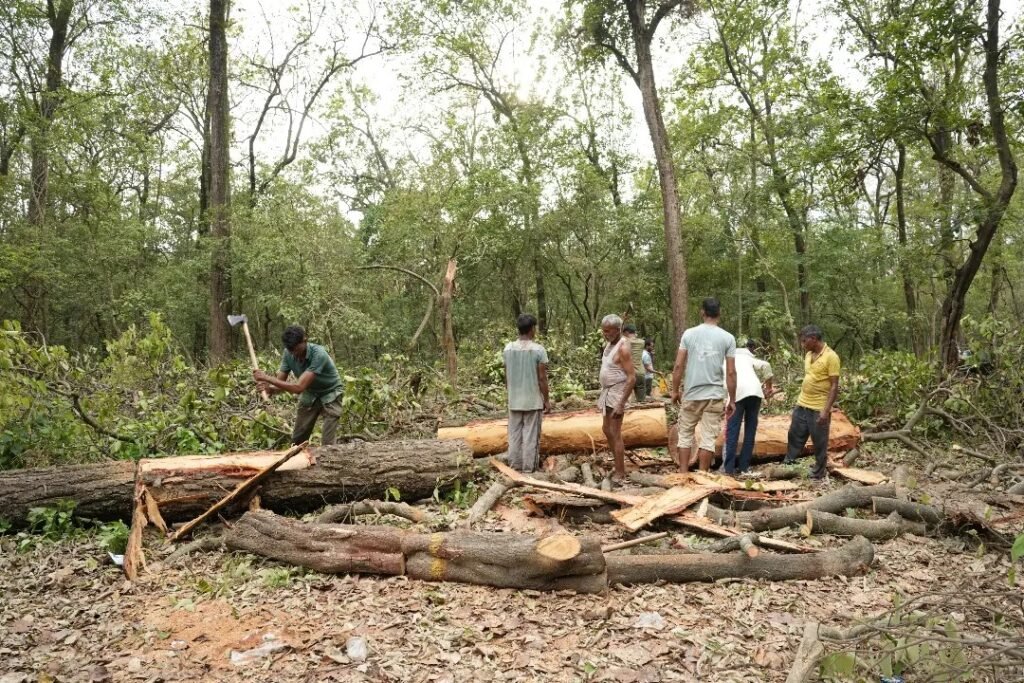
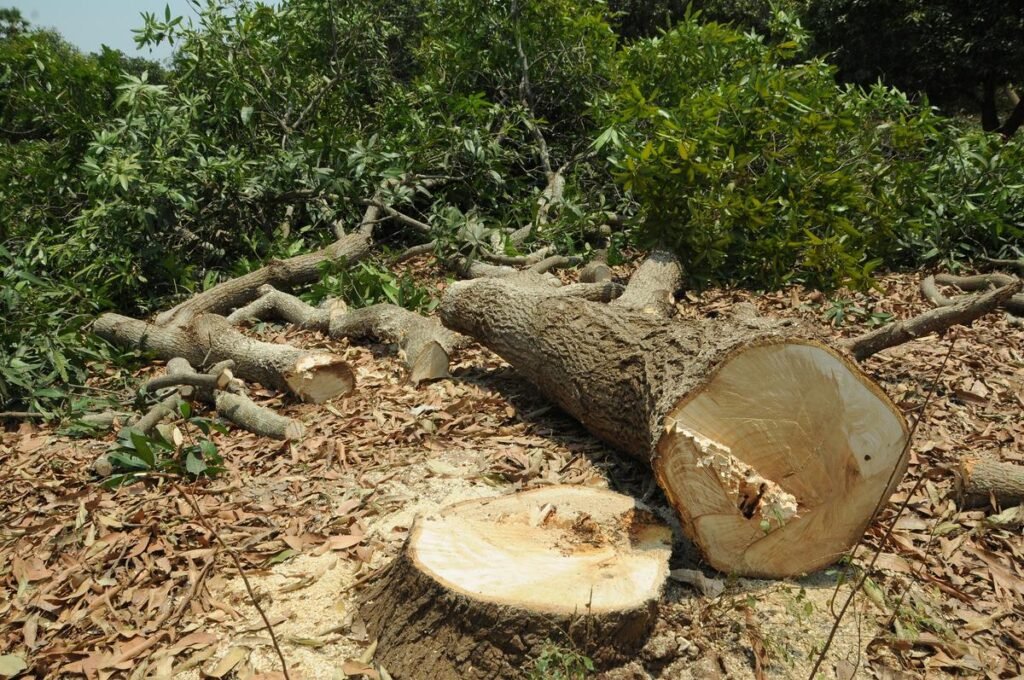
Under the project plan, 4,369 trees were identified for felling, while 754 were considered suitable for transplantation. The number ultimately expected to be cut has been reported at around 3,600.
These figures have encouraged a wider conversation about how infrastructure can be developed while protecting the ecological character of the region.
Trees are much more than part of the landscape. Mature forests provide shade, support biodiversity, protect soil, store carbon and contribute to the natural balance of temperature and moisture. They also form important habitats and movement corridors for wildlife.
Recognising these ecological values, wildlife protection measures have been incorporated into the highway planning. These include elephant underpasses, wildlife passages, green guide hedges, sound barriers and anti-glare screens. Wildlife and forest experts have also been involved in the planning process.
Such measures represent an important step towards a more sustainable model of infrastructure development, where connectivity and conservation are considered together from the planning stage.
A Moment of Reflection During Harela
The discussion gained particular attention in July 2026, around the time Uttarakhand prepared to celebrate Harela.
Harela is closely associated with greenery, agriculture, nature and the arrival of the monsoon. It represents the cultural connection between Uttarakhand’s people and the environment that surrounds them.
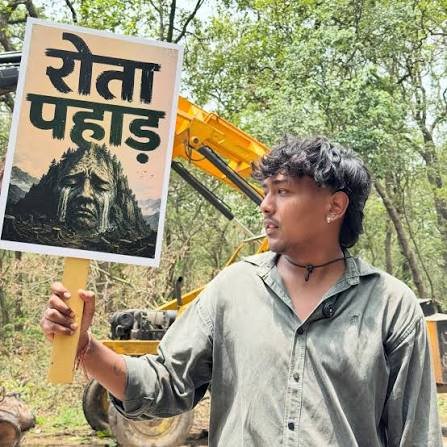
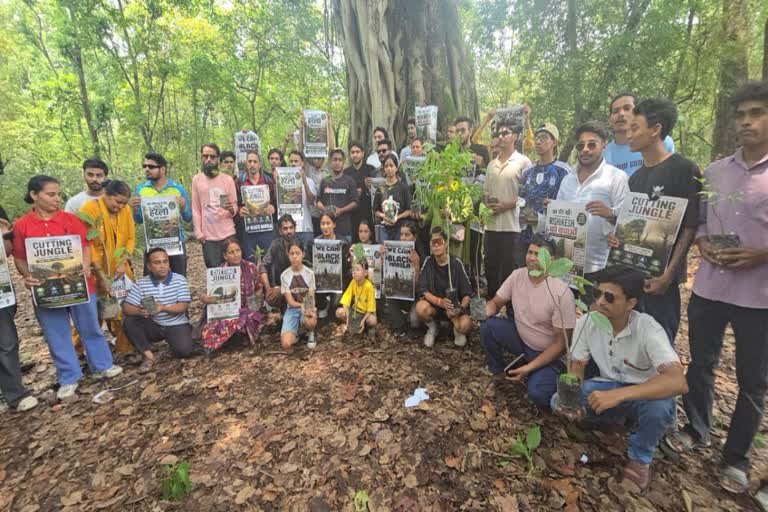
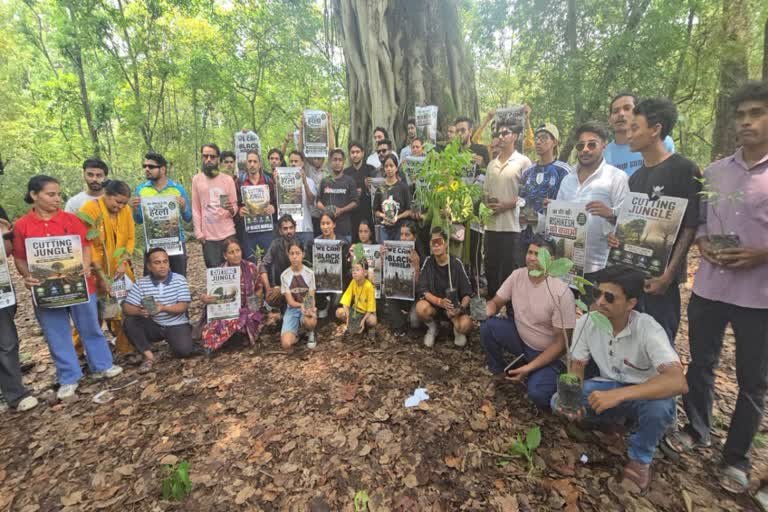
On July 15, residents and activists gathered near the highway project in a protest known as “Black Harela.” Around 100 people participated, expressing concern about tree removal and calling for greater environmental consideration.
By that stage, around 400 trees had reportedly been cut.
On July 18, Chief Minister Pushkar Singh Dhami ordered an immediate halt to the felling and directed officials to conduct fresh consultations with residents, elected representatives and experts before further action.
The pause created an opportunity for dialogue and encouraged a broader focus on finding practical solutions that support both infrastructure development and environmental protection.
Building a Sustainable Road Network
The future of Uttarakhand depends on strong connectivity.
The state needs better roads to support tourism, pilgrimage, commerce, emergency services and everyday mobility. Residents deserve safer and more efficient transportation, while visitors need reliable access to some of the country’s most important spiritual, cultural and natural destinations.
Forests regulate water, protect soil, support biodiversity, store carbon and provide habitats for wildlife. In a mountainous state, these natural systems contribute directly to environmental stability and the well-being of communities.
Infrastructure planning can increasingly incorporate wildlife crossings, ecological corridors, plantation and transplantation programmes, noise reduction measures and other environmental safeguards. Modern engineering can provide opportunities to reduce ecological impact while continuing to improve connectivity.
In this approach, forests are not viewed as obstacles to development. They are recognised as valuable natural infrastructure that must be protected alongside physical infrastructure.
The Road Ahead
The Bhaniyawala–Jolly Grant–Rishikesh highway represents more than a transportation project. It reflects Uttarakhand’s continuing transition towards better connectivity, greater accessibility and stronger economic opportunities.
The project also provides an opportunity to demonstrate how development and environmental responsibility can work together.
As Uttarakhand welcomes more tourists, pilgrims, businesses and investment, the demand for roads and infrastructure will continue to grow. With thoughtful planning, modern technology and meaningful consultation, future projects can be designed to respect the state’s ecological character while meeting the needs of a growing population.
The road ahead can therefore be one of progress with responsibility.
A kilometre of highway can be measured precisely. A project budget can be calculated to the last crore. Traffic movement can be recorded every hour.
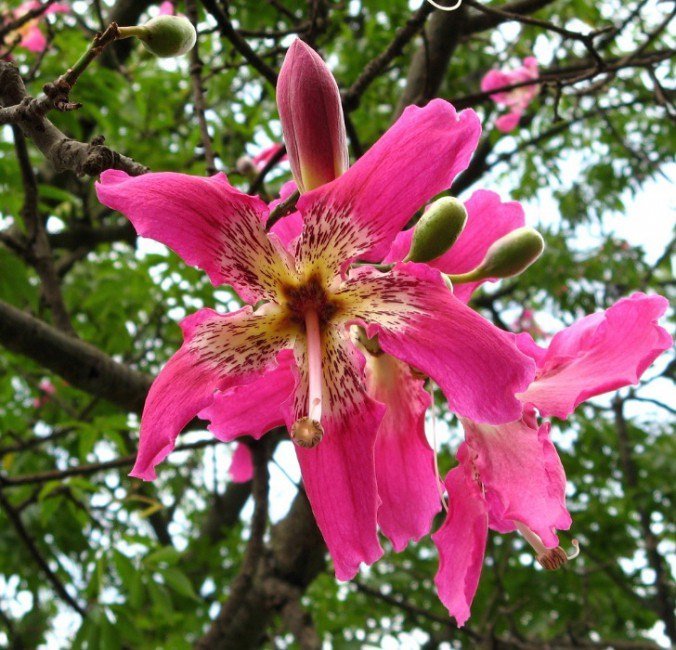

The value of a forest is measured differently.
It can be seen in the shade beneath an old tree, in birds moving through the canopy, in wildlife travelling between habitats and in the natural systems that quietly support communities.
For Uttarakhand, the most meaningful development will be development that allows these two journeys to continue together.
The journey towards better connectivity can move forward while the journey towards environmental responsibility moves alongside it.
One day, the road may be wider. Cars may move faster. The airport may be easier to reach. Rishikesh may be closer in minutes.
Yet the true success of the project will be measured not only by how quickly people reach their destination, but also by how thoughtfully the landscape has been carried into the future.
The road ahead is a road of connection, progress and responsibility. And if development can preserve the natural character of Uttarakhand while opening new possibilities for its people, then the journey itself becomes part of the destination.