More than 150 Painted Storks have arrived at the National Zoological Park, offering a remarkable glimpse into Delhi’s thriving urban biodiversity.
By Wildlife Today Team
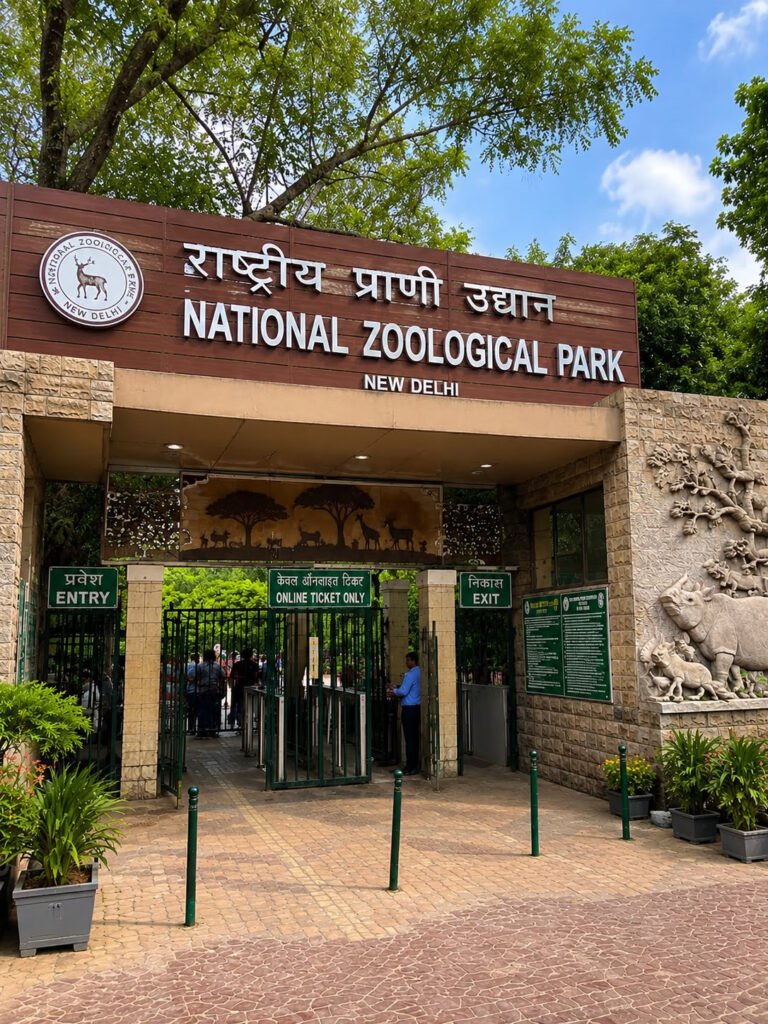
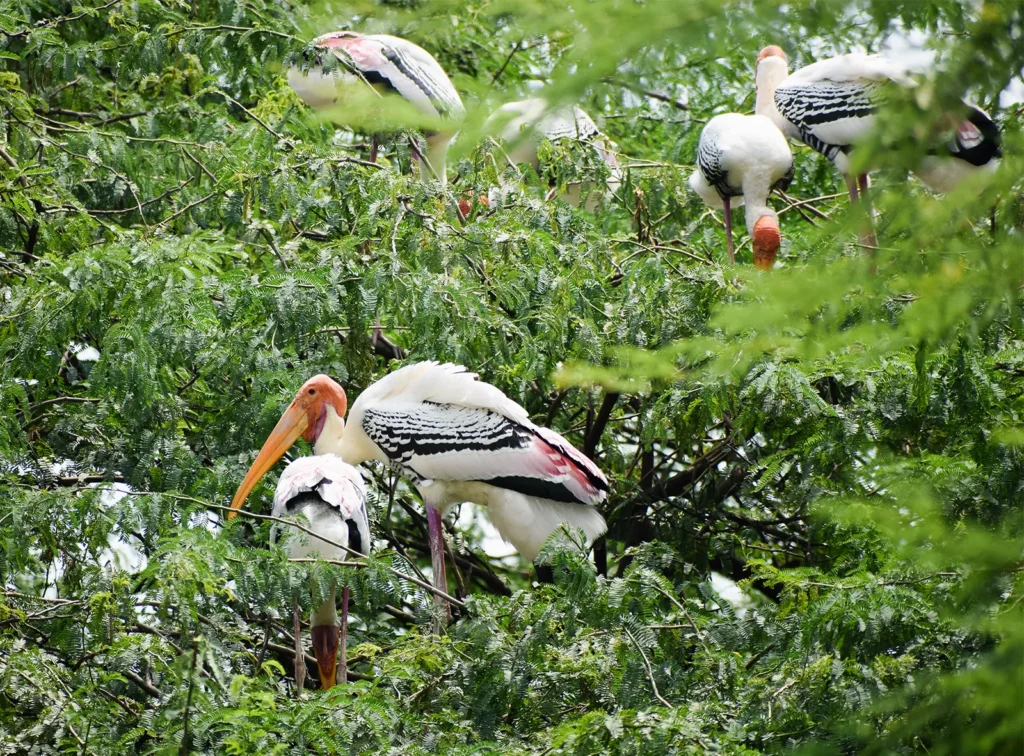

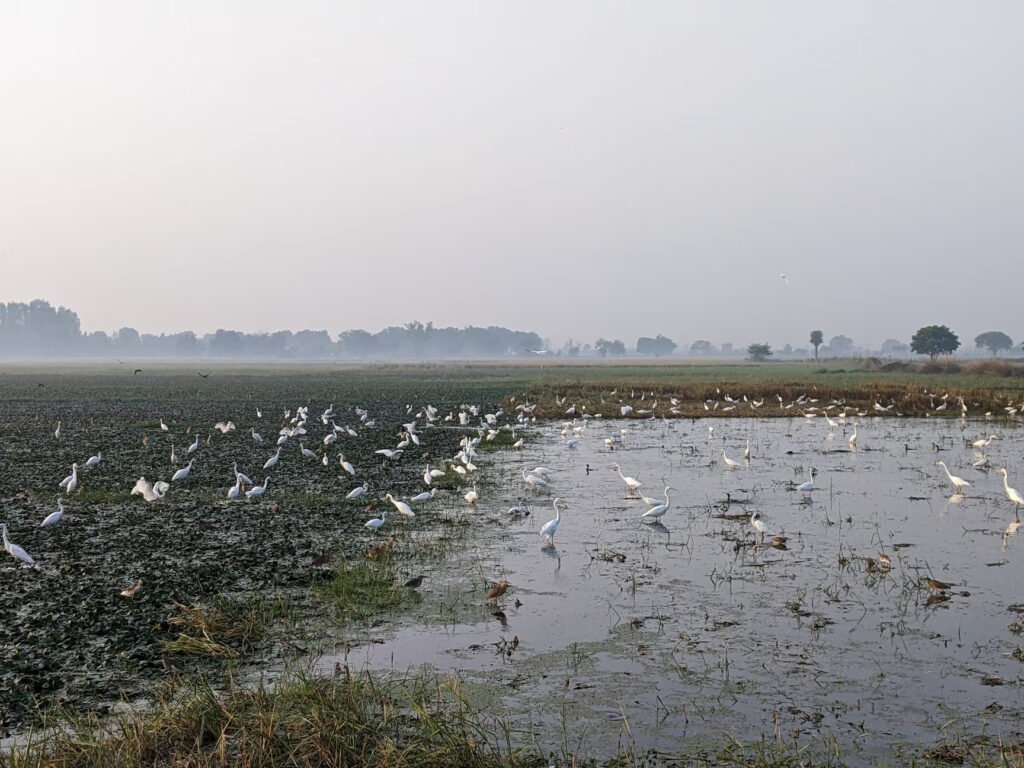
New Delhi: In the heart of India’s bustling capital, a quiet natural spectacle is unfolding. More than 150 Painted Storks have gathered around the wetlands of the National Zoological Park, turning the zoo’s ponds and surrounding trees into a vibrant breeding ground.
The birds, which arrived during the second week of August, have begun building nests in the trees around the water bodies. Their arrival and breeding activity are more than a visual treat-they are considered an encouraging indication of a healthy wetland habitat and functioning urban ecosystem.
A Sanctuary Within the City
The remarkable congregation was observed during the 11th Sunday Bird Walk and Second Tree Walk, organised as part of a citizen-science initiative at the zoo.
The event brought together 25 participants, including students, nature enthusiasts, wildlife photographers, researchers, interns and volunteers. Together, they documented an impressive 42 bird species, representing more than 300 individual birds, along with 40 species of trees.
For the participants, the experience offered an opportunity to see biodiversity not as a distant concept, but as something thriving within one of Delhi’s most familiar green spaces.

Ringo’s Four-Year Journey
Among the Painted Storks, one bird has attracted particular attention.
Known as ‘Ringo’, the male Painted Stork has returned to the same area to nest for four consecutive years. Zoo interns have been closely documenting his behaviour and breeding activity, providing valuable insights into the species’ nesting patterns and habitat preferences.
Bird expert Dr. Paritosh Ahmed guided participants through the walk, explaining bird behaviour, nesting patterns and breeding activities. Ringo’s repeated return demonstrates how birds can develop a strong association with specific nesting sites when suitable habitat conditions remain available.
Where Trees Become Homes
The story of the Painted Storks is inseparable from the story of the trees around them.
During the Tree Walk, Scientist-D Dr. C.R. Magesh explained how trees can be identified through their leaves, bark, flowers, fruits and canopy structure.
But trees do far more than provide shade or greenery. They absorb carbon, filter pollutants, regulate temperatures, protect soil and create vital habitats for birds, insects and other wildlife.
For species such as the Painted Stork, the combination of water, food, mature trees and undisturbed nesting sites can make the difference between simply visiting a habitat and returning to breed there.
A Sign of a Living Ecosystem
The presence of more than 150 Painted Storks sends an important ecological message. In a city facing rapid urbanisation, wetlands and green spaces can become critical refuges for wildlife.
The Delhi Zoo’s landscape is therefore more than a recreational space. It is also a living laboratory, where researchers, students and citizens can observe how species interact with their environment.
The zoo director highlighted the importance of trees as the foundation of healthy ecosystems and noted that nature walks can encourage people to participate in biodiversity documentation and develop a stronger sense of responsibility towards conservation.

Beyond the Bird Walk
As the Painted Storks continue to build their nests, the ponds of the Delhi Zoo have become a reminder that remarkable wildlife stories can exist surprisingly close to urban life.
Every nest represents a shelter. Every returning bird carries a behavioural story. And every mature tree forms part of a larger ecological network.
For those willing to look closely, Delhi’s wilderness is not always beyond the city-it can sometimes be found quietly thriving within it.
The next Sunday Nature Walk is scheduled for August 30, continuing the zoo’s effort to connect people with the biodiversity around them.