

By Aditya Mukherjee (Bureau)
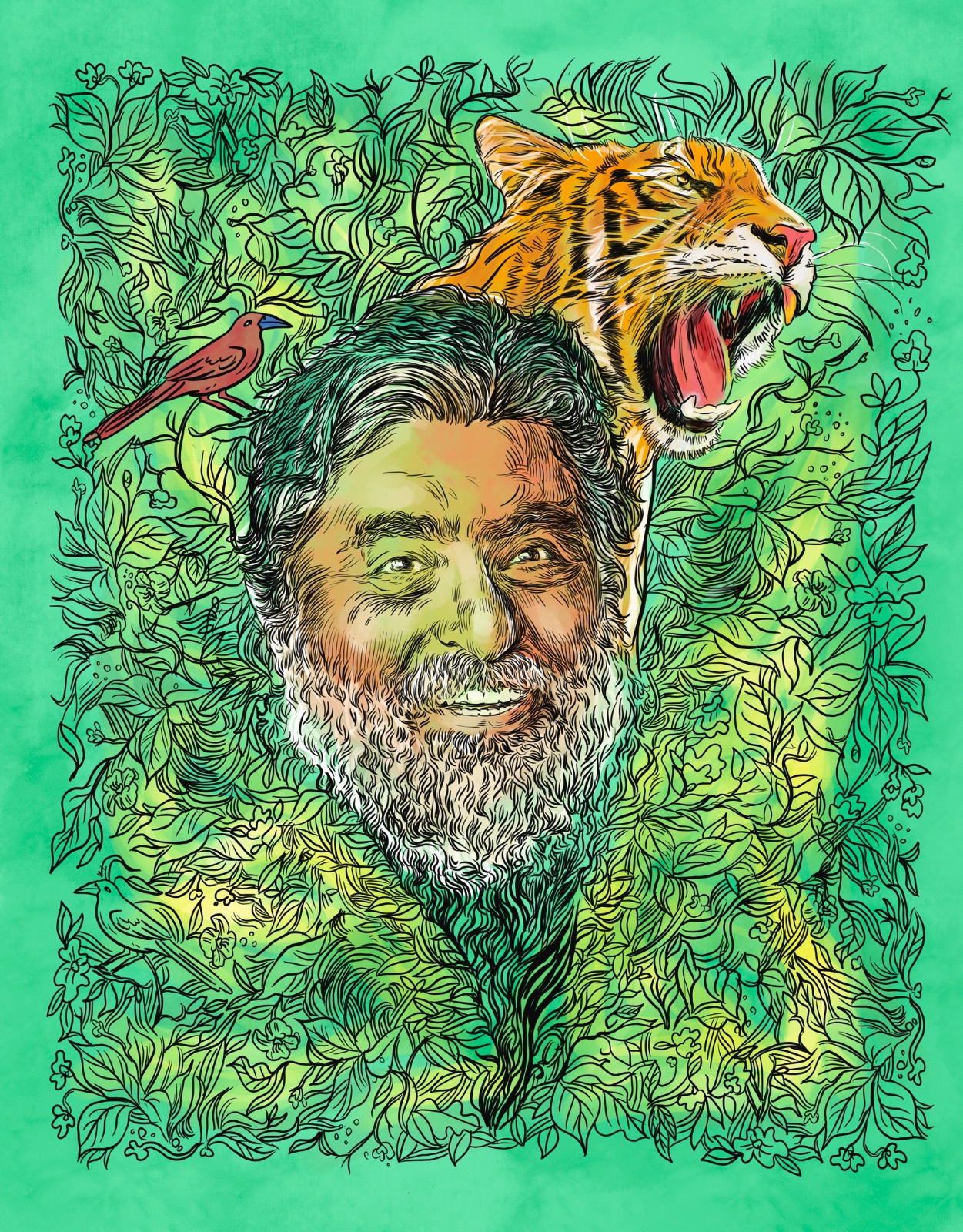
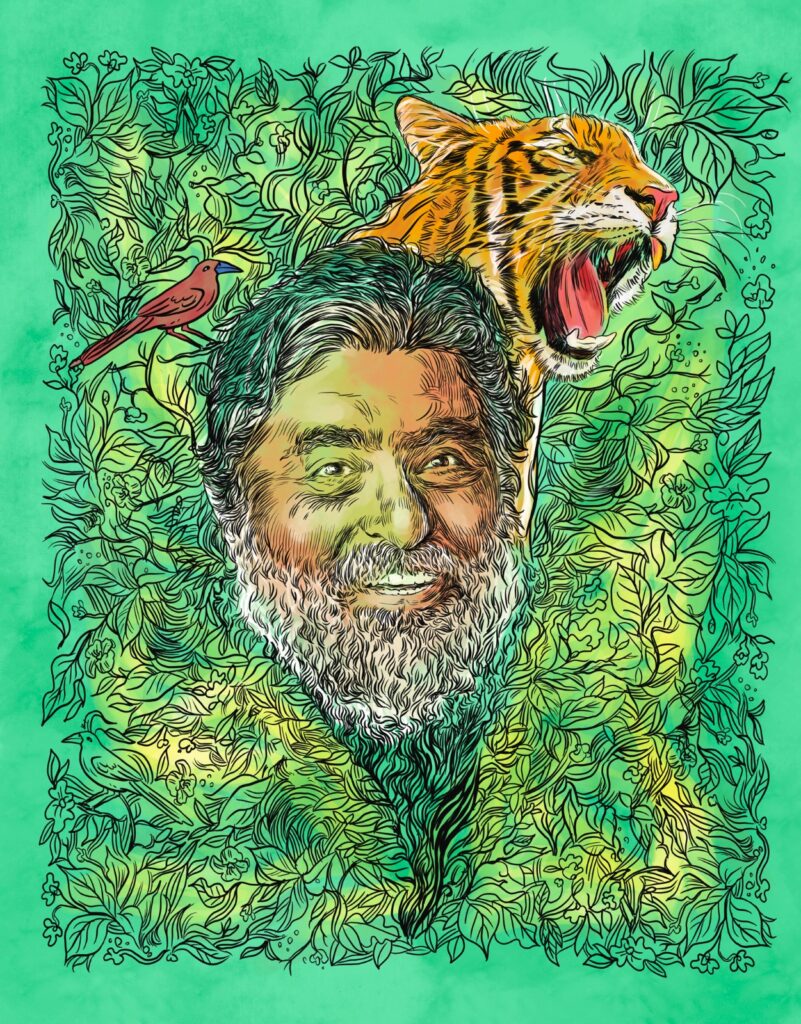
Valmik Thapar’s legacy is written not just in books or policies, but in paw prints across the sands of Ranthambhore, in every tiger cub that takes its first step under a rising sun, and in the hearts of those who dare to fight for the wild
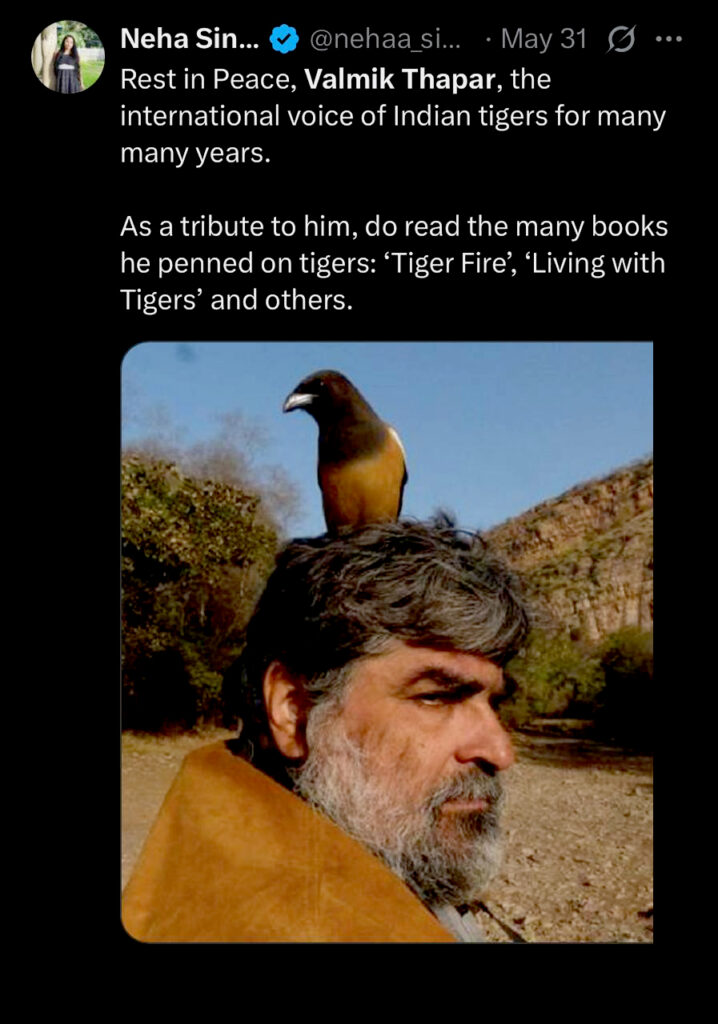
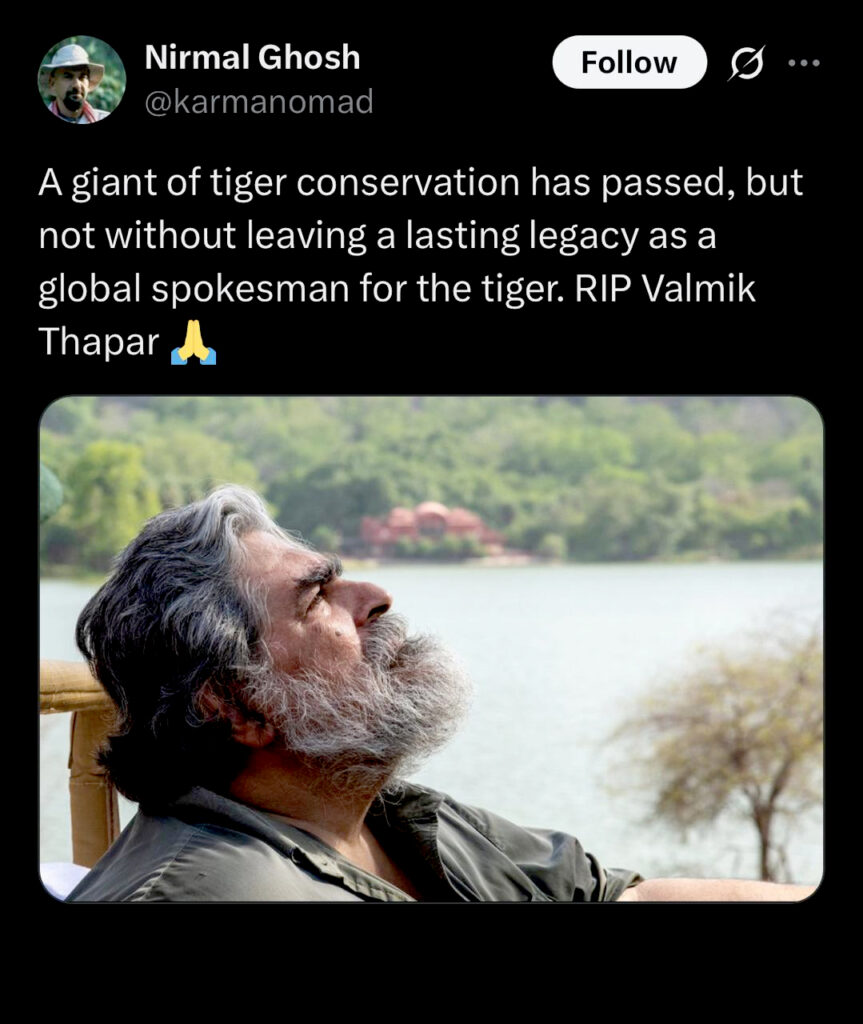
While William Blake saw in the tiger a “fearful symmetry,” Valmik Thapar saw a creature of mystery and magic — not menace. Famous across the world as the “Tiger Man” and one of India’s most influential wildlife conservationists and a tireless advocate for tiger protection, Thapar passed away on May 31, 2025, at the age of 73. He was suffering from cancer. According to Nirmal Ghosh, a wildlife conservationist and who has written the book Blue Sky, White Cloud, said that Thapar has left a “lasting legacy as a global spokesperson for the tiger.”
Valmik Thapar, born in 1952 into Delhi’s intellectual elite, appeared destined for a life steeped in literature and cultured gatherings. The son of renowned journalist Romesh Thapar and nephew of celebrated historian Romila Thapar, he graduated with flying colours-gold medal in hand-from St. Stephen’s College, Delhi University, in Sociology. With such roots, one might have expected him to tread the path of academia or the arts. But fate had other plans, delivered in the form of a striped ghost in the underbrush.
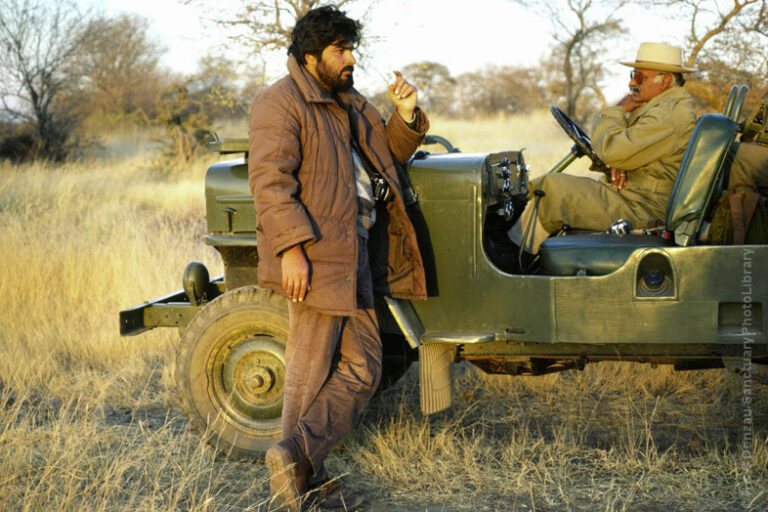
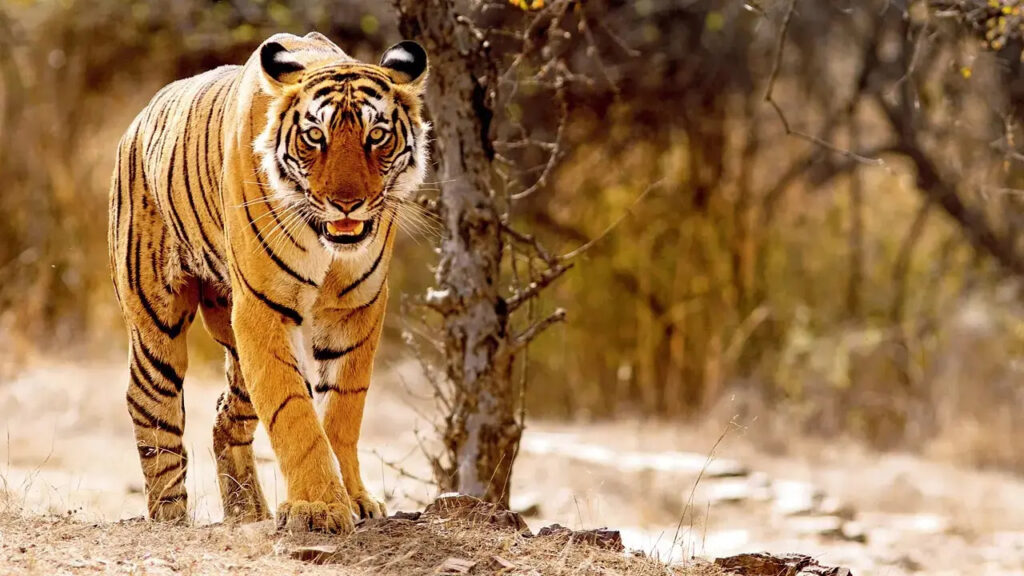
Thapar encountered his first wild tiger in the dense sal forests of Ranthambhore during the 1970s. The moment was less an encounter than a calling-a thunderclap that shook loose the scholar and gave birth to the naturalist. That fateful brush with the wild set him on a path he would walk for the rest of his life, never once looking back. Guided by Fateh Singh Rathore, India’s legendary “tiger man” and a stalwart of Project Tiger, Thapar discovered his true calling. In those formative years, he immersed himself in rigorous fieldwork, dedicating countless hours to observing tiger behaviour and understanding their habitat. Unfazed by harsh weather-be it blistering heat, biting cold, or relentless rain-Thapar remained steadfast in his mission. He worked shoulder to shoulder with community elders and forest officers across India’s tiger reserves, driven by an unwavering commitment to protect and preserve the majestic big cats.
Over nearly five decades, Valmik Thapar became a household name-one of India’s fiercest voices for its vanishing wilderness. With 32 books to his credit-including The Secret Life of Tigers, Living with Tigers, and The Last Tiger-his pen roared as loudly as the creatures he sought to protect. His voice echoed across continents through the acclaimed BBC documentary Land of the Tiger (1997), a sweeping visual hymn to India’s natural bounty that drew global eyes to its burning forests and fading roars.
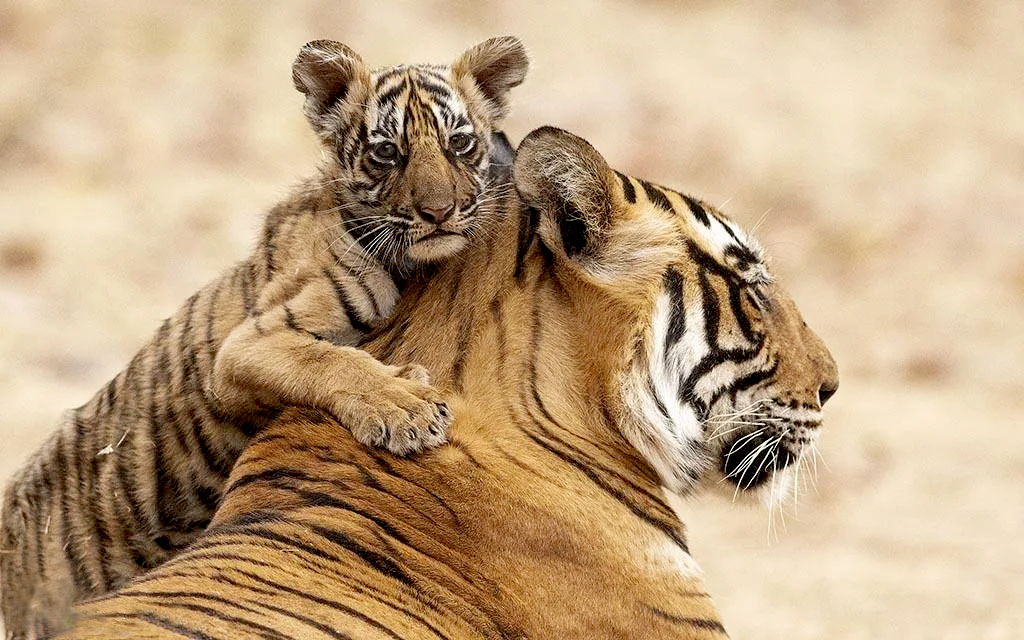
But Thapar was never just a man of the page or screen. He was a soldier of the soil. His heart beat in sync with Ranthambhore, the tiger reserve he called a second home. There, he shadowed generations of tigers as if they were kin-Padmini, Machli, Krishna-names that, in his telling, danced off the page not as data points but as matriarchs in a royal bloodline. His chronicles didn’t just record wildlife; they painted soulful portraits, turning field diaries into family albums.
While his love for tigers ran deep, his ire for red tape ran deeper. Never one to mince words, Thapar pulled no punches in critiquing India’s forest bureaucracy-often calling it a lumbering elephant stuck in the mud of outdated thinking. Yet he didn’t retreat from the battlefield. Throwing himself wholeheartedly into the cause, he served on more than 150 committees and task forces, such as the National Board for Wildlife. In 2005, the UPA government appointed Thapar to the Tiger Task Force, formed to review the management of tiger reserves after tigers vanished from the Sariska Tiger Reserve. Tireless as a monsoon river, he carved channels for reform, even when change came at a glacial pace. Thapar indefatigably lobbied for tougher anti-poaching rules and efforts to protect tiger habitats.
In 1987, he turned conservation into community. Co-founding the Ranthambhore Foundation, he sought not to wall off the wild but to weave it into the daily fabric of local life. Working across nearly 100 villages, the Foundation sowed seeds of coexistence-teaching that the forest’s survival was the villagers’ own lifeline. His philosophy was simple: protect the tiger by empowering its human neighbours.
At the same time, Thapar made it clear that tigers posing a threat to human life needed to be either removed from parks or put down. He called a spade a spade when it came to Tiger -24 – a male tiger called Ustad in Ranthambore known for killing people, including forest guards, and partially consuming its victims. He believed that relocating Ustad was the best option available. By his own admission, T-24 was the most dangerous tiger he had ever encountered.
On the other hand, Thapar wrote a note highlighting why inviolate spaces are critical for tigers. “The long-term survival of tigers will depend on the single most important factor namely inviolate protected areas. A certain minimum area has to be managed exclusively in its natural form for the tiger.”
In 2017, the Sanctuary Nature Foundation conferred on him their Lifetime Service Award — one among many he has received over the years. Even as the years passed and accolades piled up, Thapar never allowed fame to dull his edge. In 2024, he returned to the spotlight in My Tiger Family, a poignant documentary that served as both love letter and legacy. Yet even then, he remained the eternal rebel. He spoke out against the Modi government’s Project Cheetah, calling it a square peg in a round ecological hole-India’s terrain, prey base, and weather, he warned, were ill-suited for cheetahs airlifted from Africa.
Thapar’s personal life was steeped in India’s cultural richness. He was married to Sanjana Kapoor, a member of the renowned Kapoor acting dynasty and daughter of famous actor Shashi Kapoor. Together, they had a son, Hamir. But while his family hailed from theatre’s limelight, Thapar’s soul belonged to the jungle’s shadows. “The tiger overwhelms me,” he once said. “I know nothing else.”
Today, as India lowers its flags and the forests fall momentarily silent, the loss of Valmik Thapar is not merely the passing of a man-it is the dimming of a flame that lit the path for conservationists across the country. He did not just protect the tiger; he became its chronicler, its champion, its voice in corridors of power and in living rooms worldwide. In his final days, Thapar continued to work passionately on a two-volume chronicle marking Ranthambore’s 50-year journey. His legacy is written not just in books or policies, but in paw prints across the sands of Ranthambhore, in every tiger cub that takes its first step under a rising sun, and in the hearts of those who dare to fight for the wild. He leaves behind a roar that will echo through India’s forests long after the man himself has become legend.