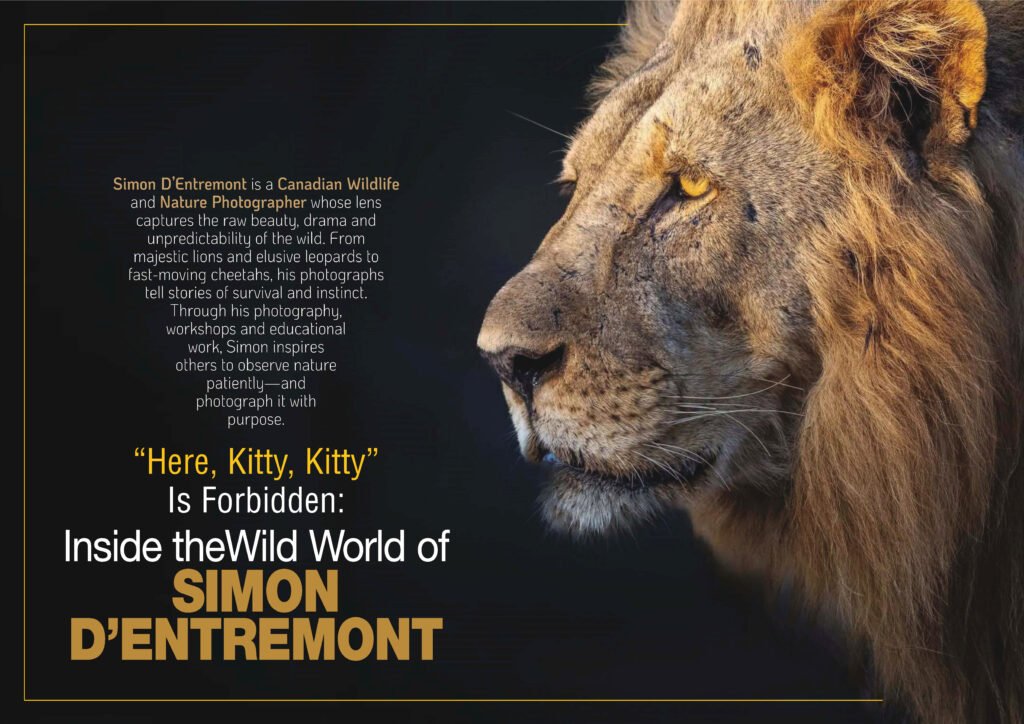
Simon D’Entremont is a Canadian Wildlife and Nature Photographer whose lens captures the raw beauty, drama and unpredictability of the wild. From majestic lions and elusive leopards to fast-moving cheetahs, his photographs tell stories of survival and instinct. Through his photography, workshops and educational work, Simon inspires others to observe nature patiently—and photograph it with purpose.
By Sudhir J. Kumar
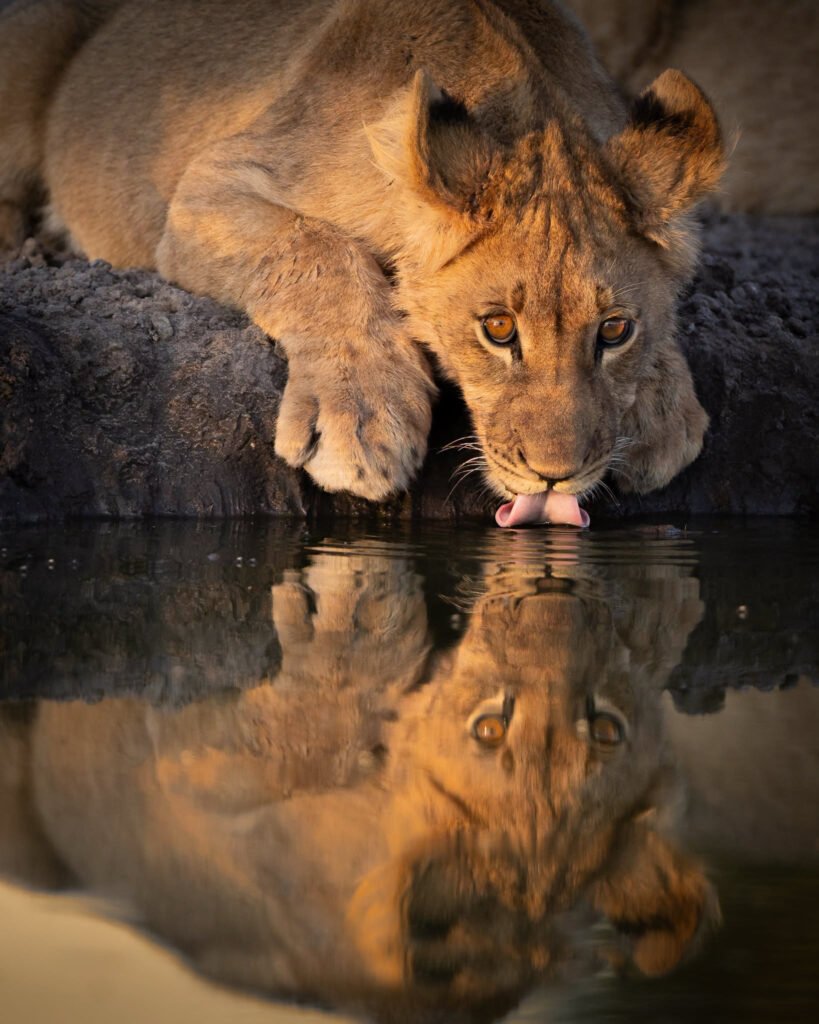
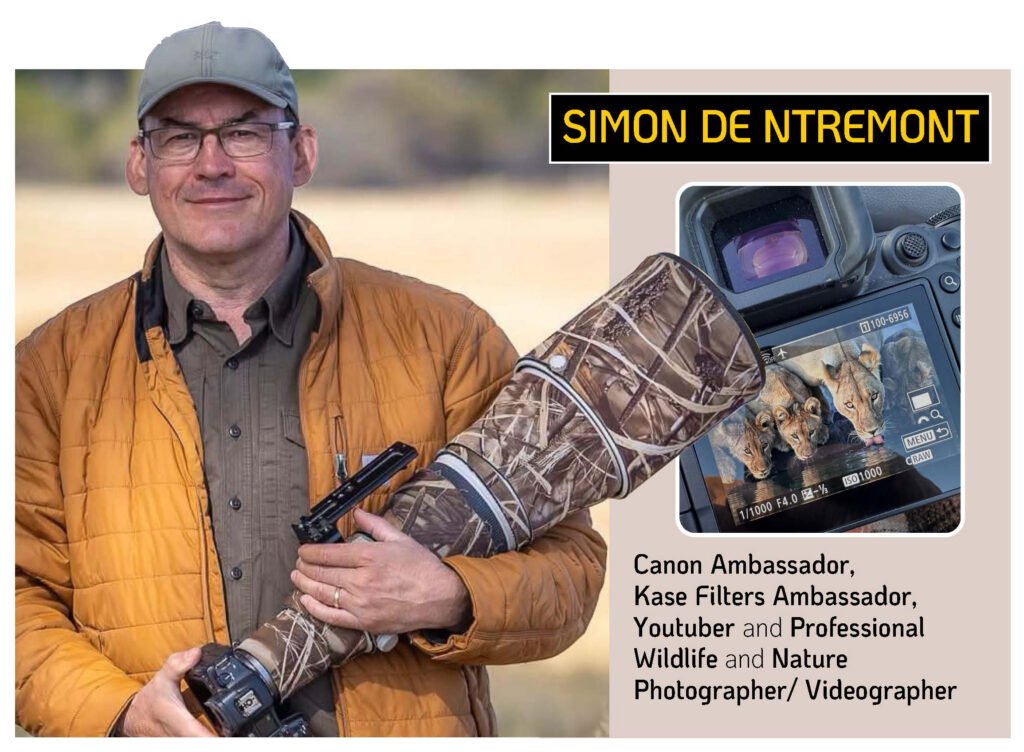
For wildlife photographer Simon d’Entremont, photographing a lion is about patience, instinct and knowing when to stay absolutely silent.
There is one rule on Simon d’Entremont’s photo safaris that sounds simple enough:
No one says, “Here, kitty, kitty.”
Yet, as Simon admits with a laugh, there is always someone who eventually breaks the rule.
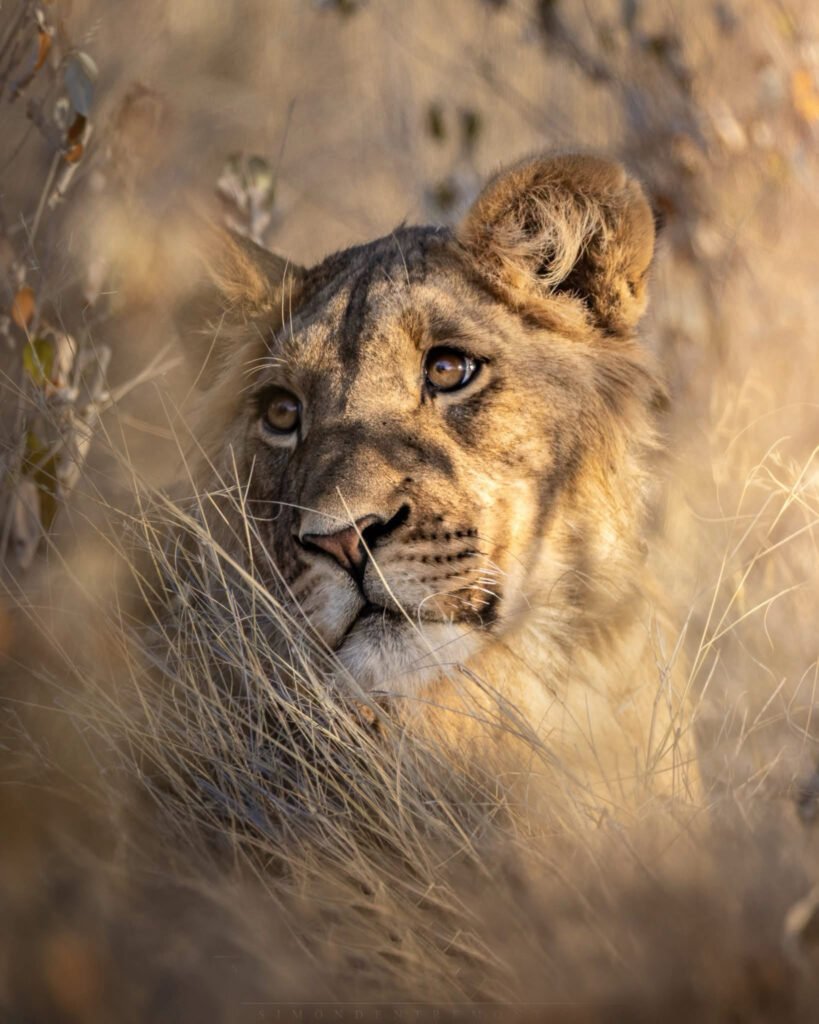
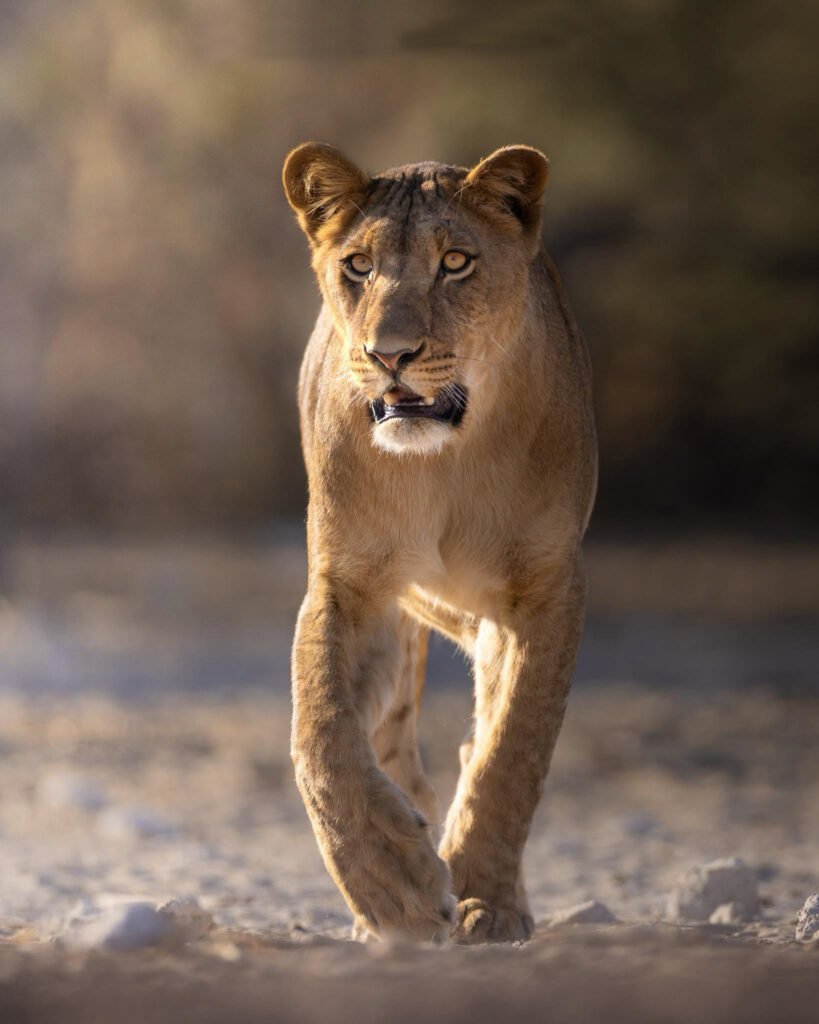
Because when a lion is staring straight at you, a leopard is disappearing into the grass, or a cheetah suddenly appears in the golden light, silence becomes surprisingly difficult.
For Simon, however, that moment is precisely what wildlife photography is about—not calling the animal closer, but waiting for the wild to reveal itself.
A Canadian wildlife and nature photographer based in Nova Scotia, Simon has transformed a passion that began as a hobby into a full-time creative career. His work now takes him from the landscapes of his home country to the vast savannas of Africa, where he photographs some of the planet’s most iconic wildlife. (Simon d’Entremont Photography)
From Backyard Curiosity to the African Wilderness
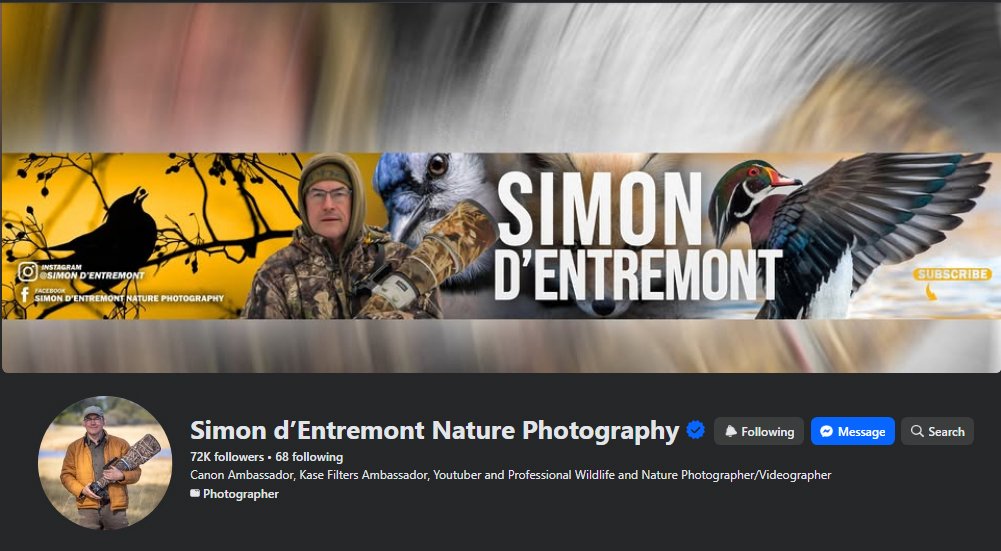
Story & selected content: Based on information and social media posts shared by Simon d’Entremont on Facebook. Photographs: ©Simon d’Entremont PhotographyPublished with credit and attribution to the original creator.Source: Simon d’Entremont’s official Facebook page
Simon’s photography journey did not begin with a grand plan to become a wildlife photographer.
It started with curiosity.
His interest in nature had been part of his life for years, but photography gave him a new way to explore it. What began as taking a camera outdoors gradually became an obsession with understanding light, behaviour, composition and that unpredictable fraction of a second when everything comes together.
His early photography was not limited to wildlife. He has also explored landscapes and astrophotography, including the night sky. Eventually, wildlife became the centre of his photographic world. (Haukland – Photographer’s Clothing)
Today, Simon is not only a photographer but also an educator. Through his videos, courses and workshops, he teaches photographers how to understand their cameras, anticipate animal behaviour and create stronger images rather than simply taking more photographs. (Simon d’Entremont Photography)
Africa Through a Photographer’s Lens
For Simon, an African safari is not simply about collecting pictures of famous animals.
It is about being present when something happens.
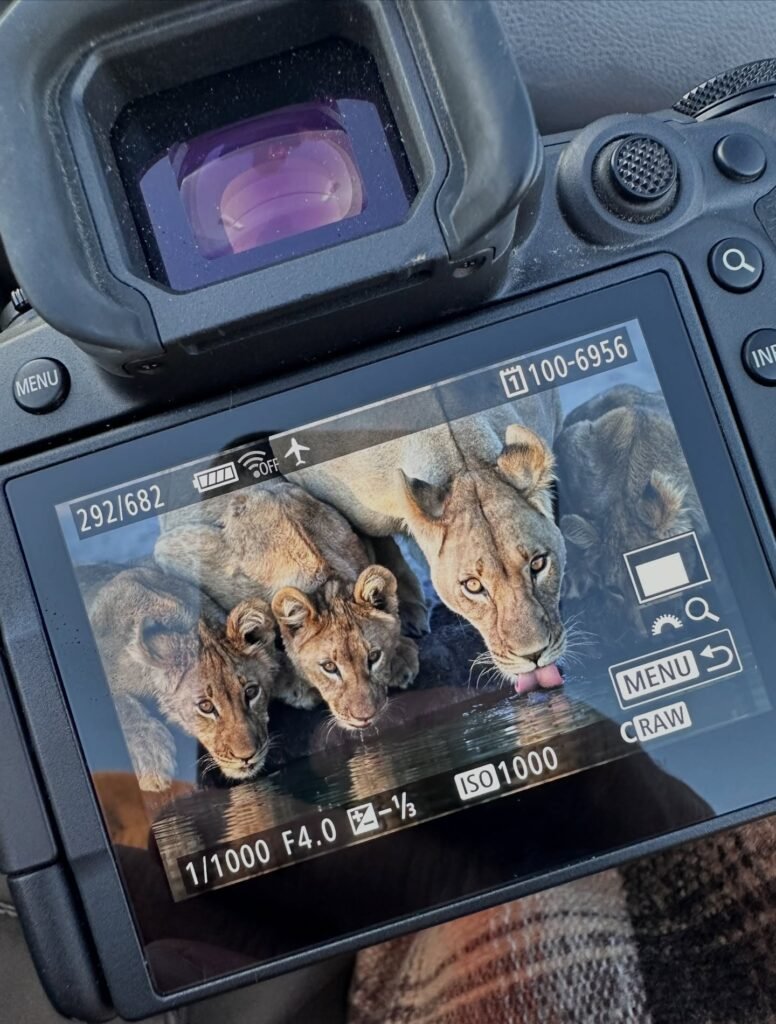
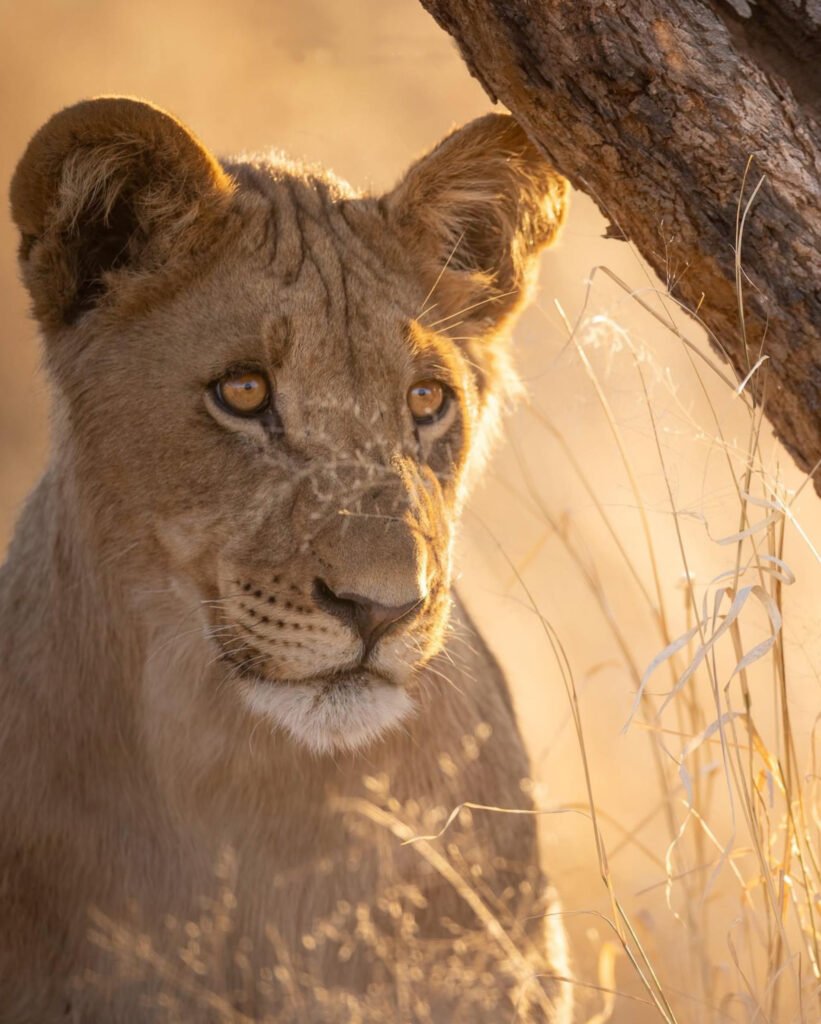
A lion stretching beneath the morning sun.
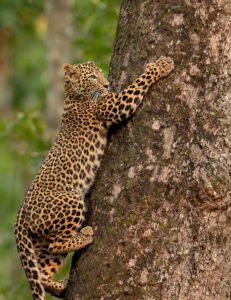
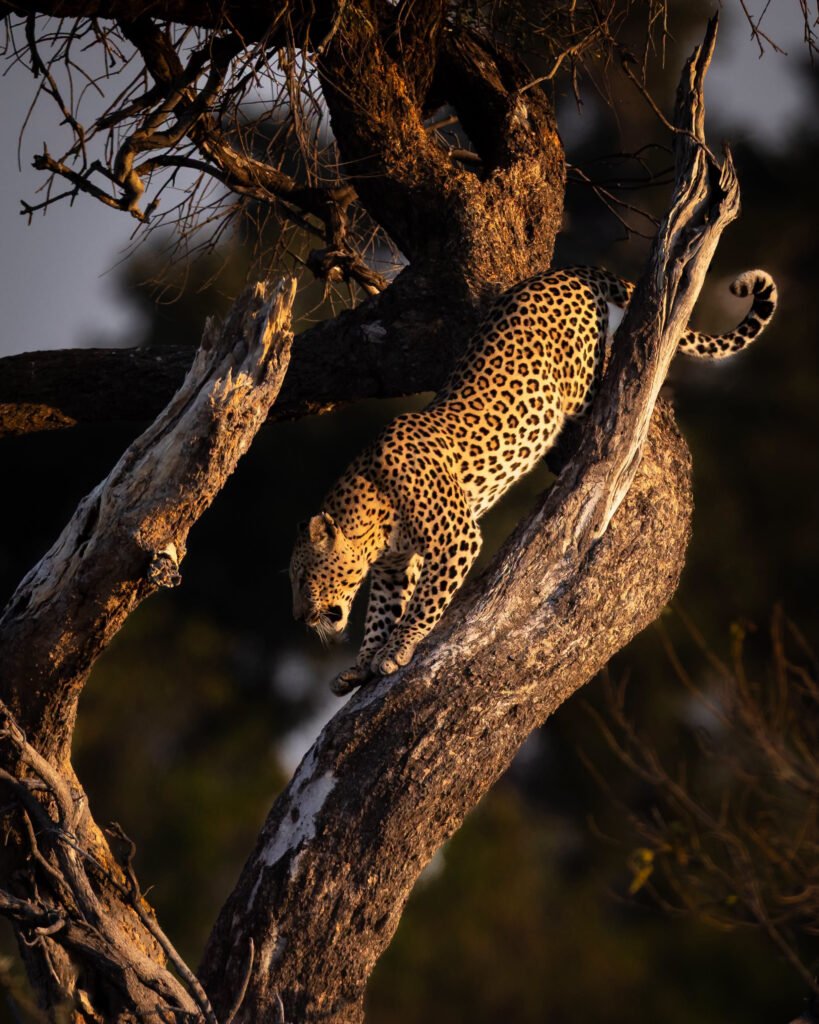
A leopard disappearing between shadows.
A cheetah preparing for a hunt.
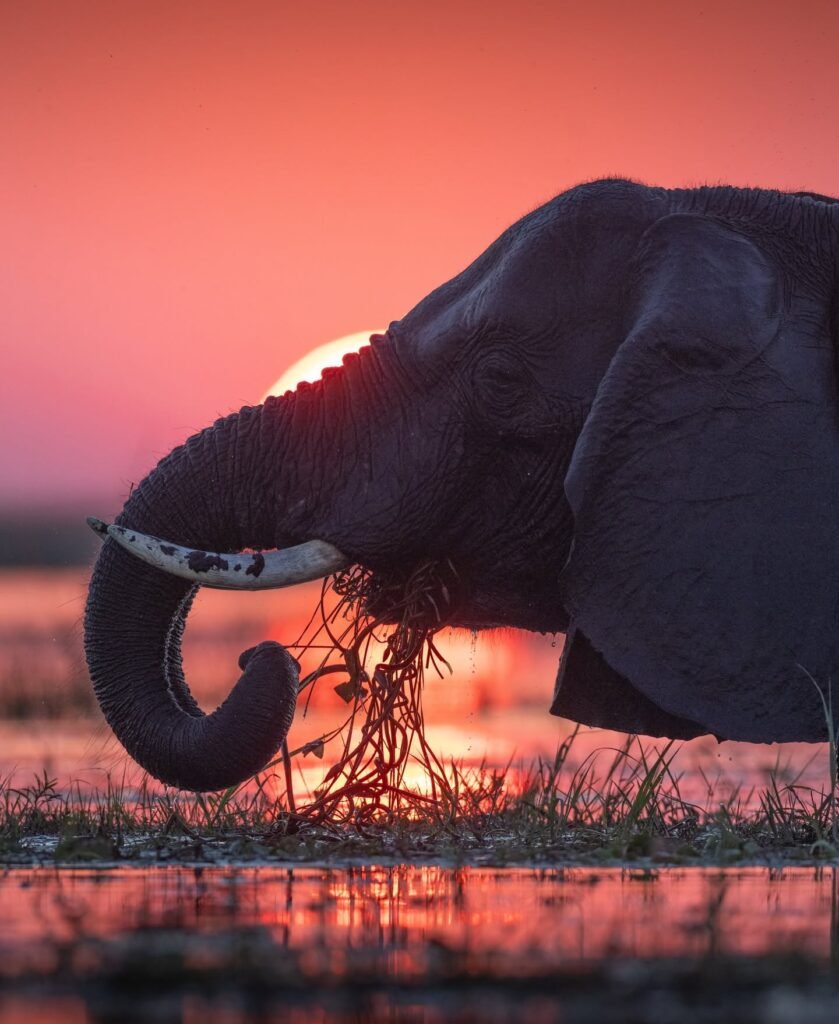
Elephants moving across a dusty landscape.
A bird catching its prey at precisely the right moment.
His African photo safaris take photographers into places such as Kenya, Botswana and Zambia, where the emphasis is on observing wildlife in its natural environment and being ready when behaviour unfolds. (Simon d’Entremont Photography)
And that requires something every photographer eventually learns: patience is part of the equipment.
The Photograph Begins Before the Shutter
One of Simon’s greatest strengths as an educator is his emphasis on understanding what is happening before pressing the shutter.
Wildlife photography is unpredictable. There is no second take.
The photographer has to read the animal, understand the light, anticipate movement and make decisions quickly.
That is why a technically perfect camera cannot guarantee a great wildlife photograph.
The real challenge is recognising the moment before it happens.
Simon has spoken about the years of trial and error that shaped his own journey—from taking thousands of photographs and returning with very few keepers to developing a stronger understanding of wildlife behaviour, composition and technique. (Journal of Wildlife Photography)
More Than a Photograph
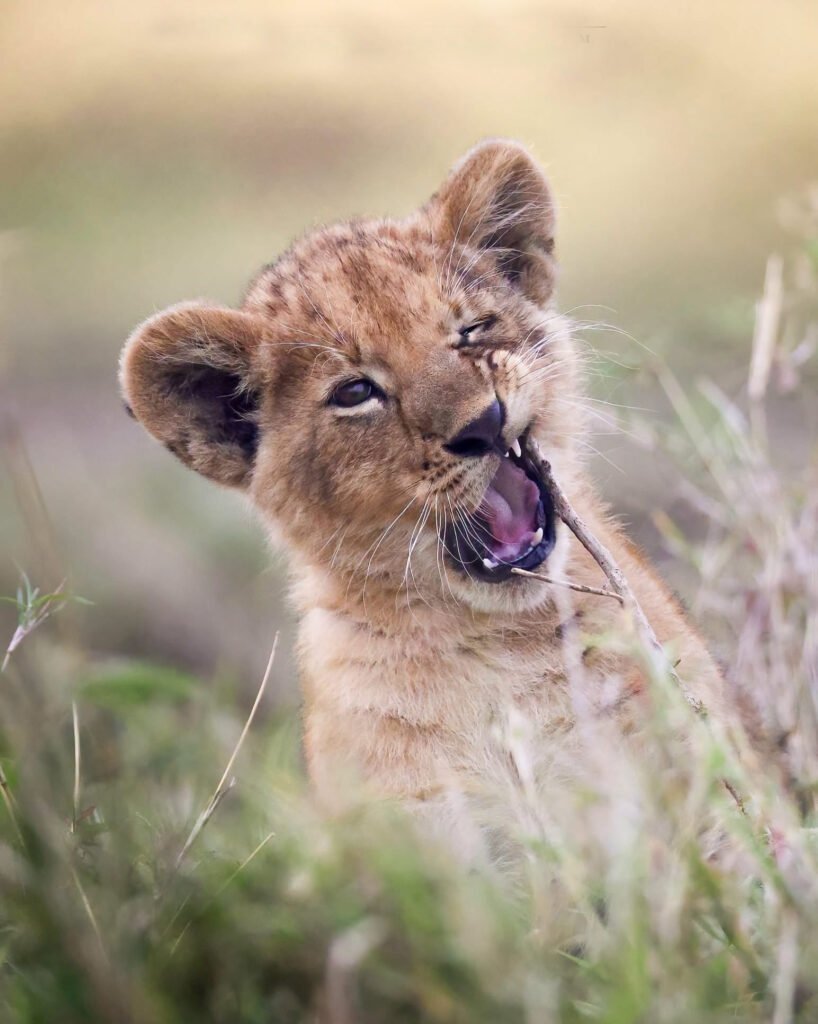
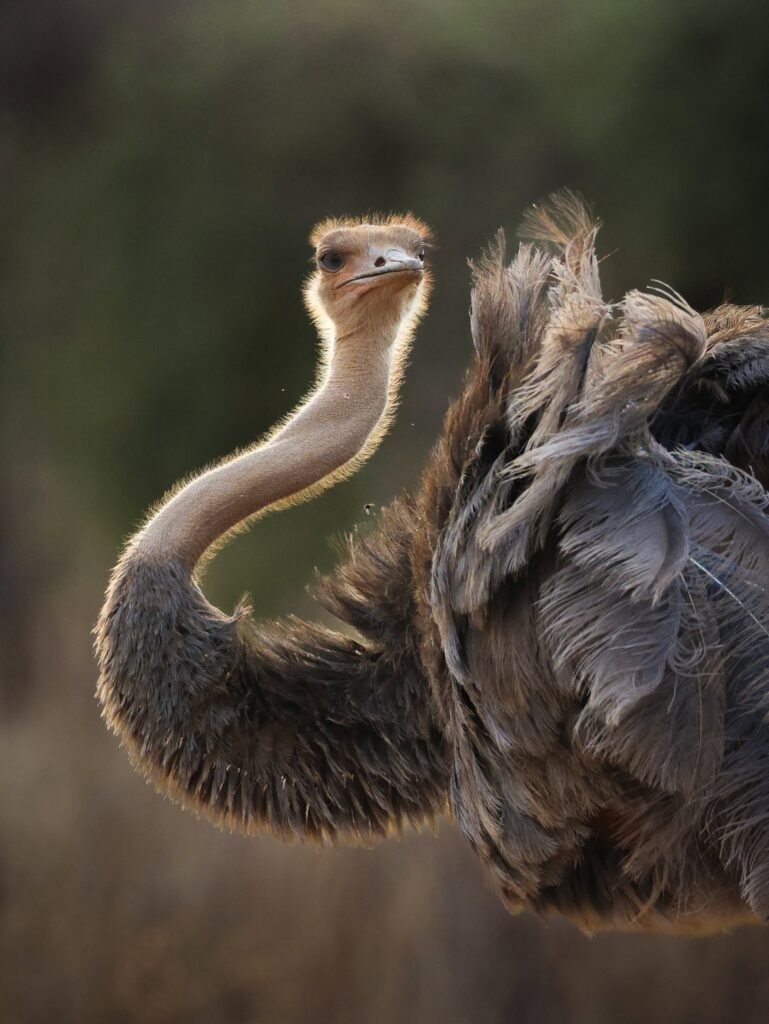
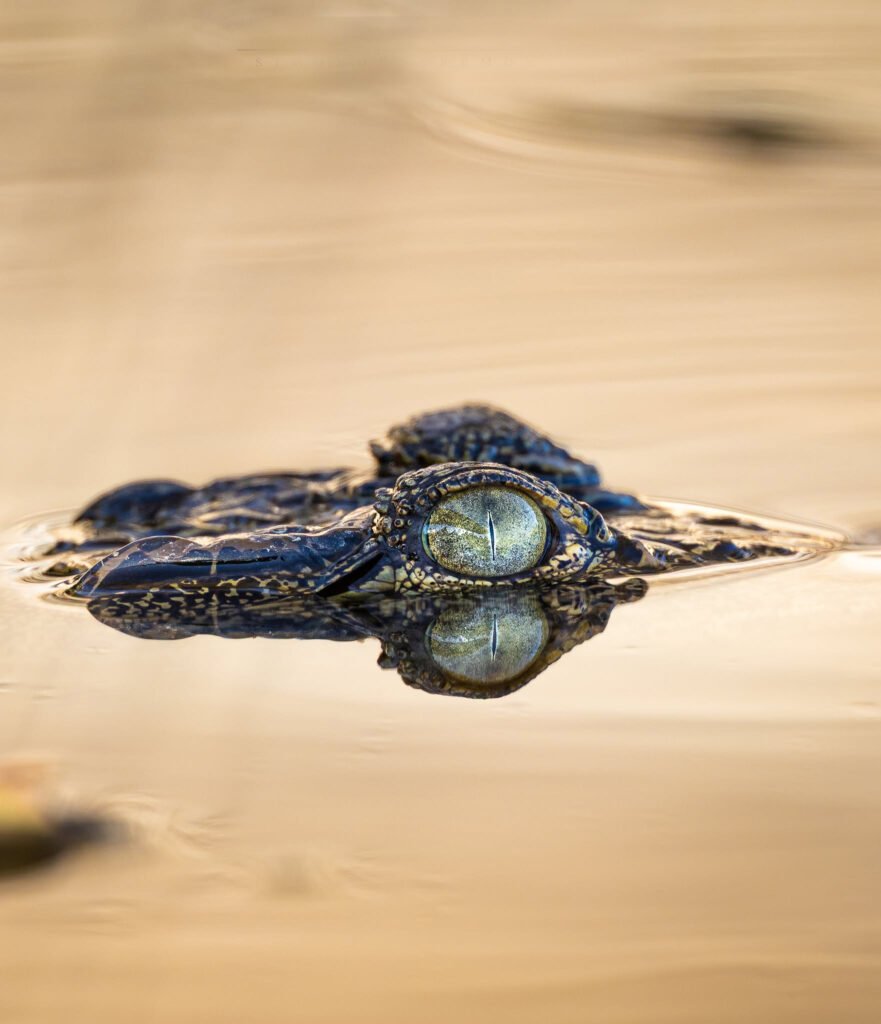
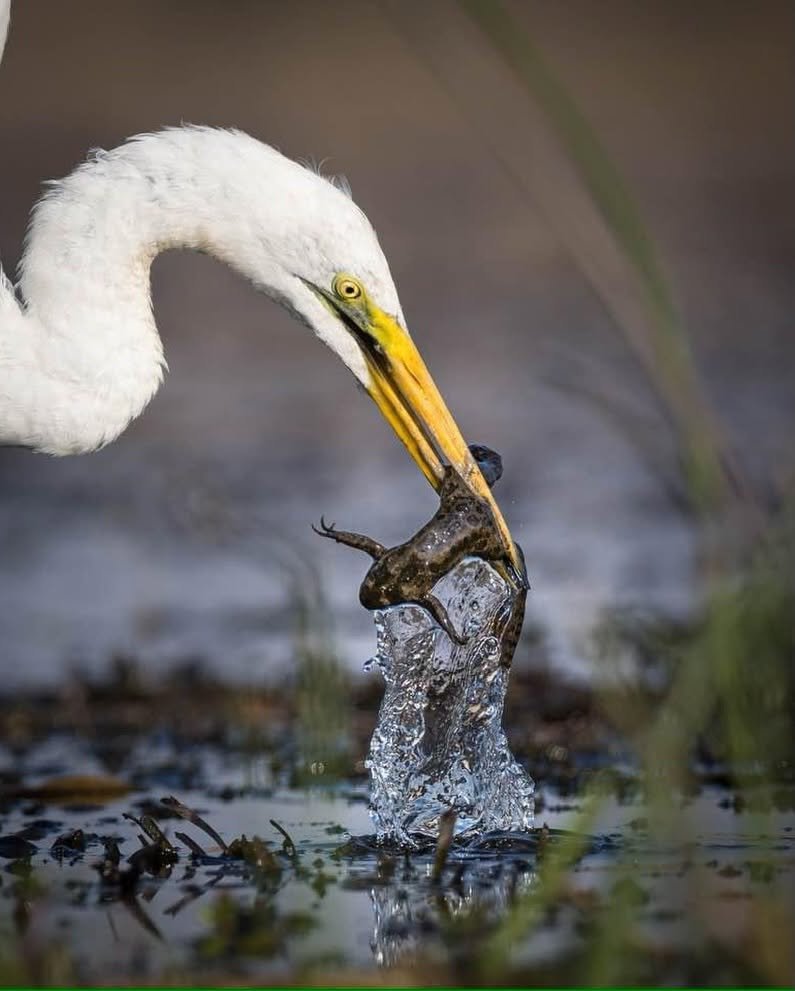
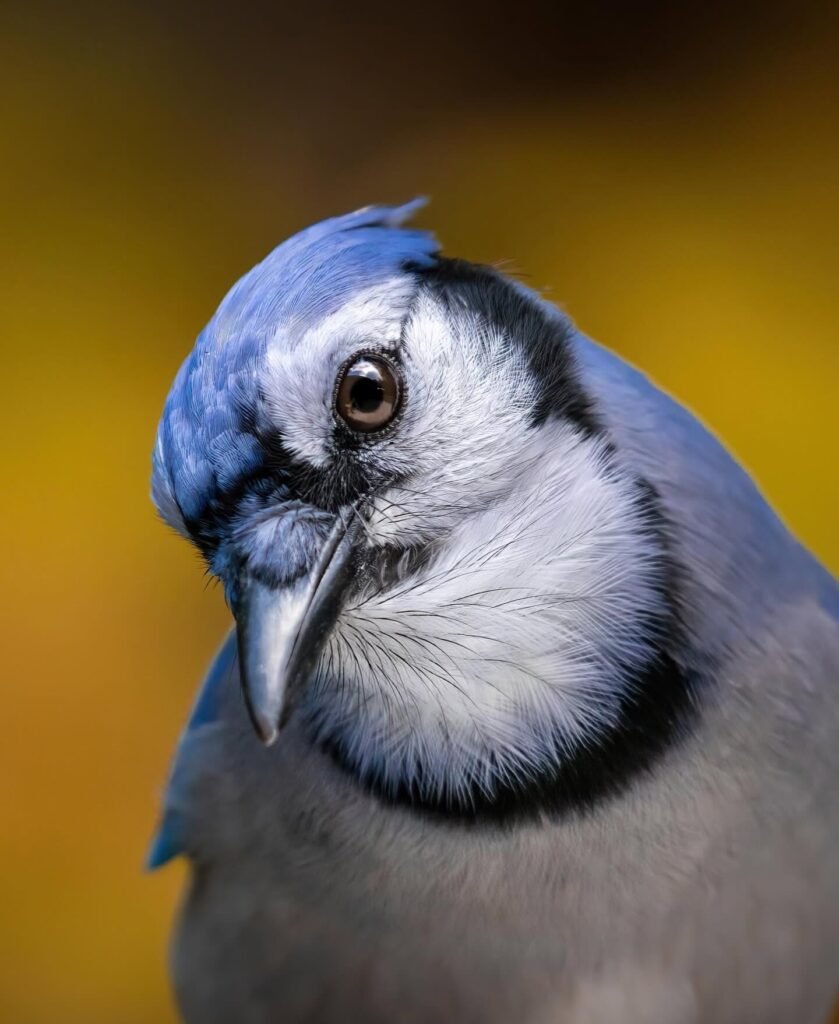
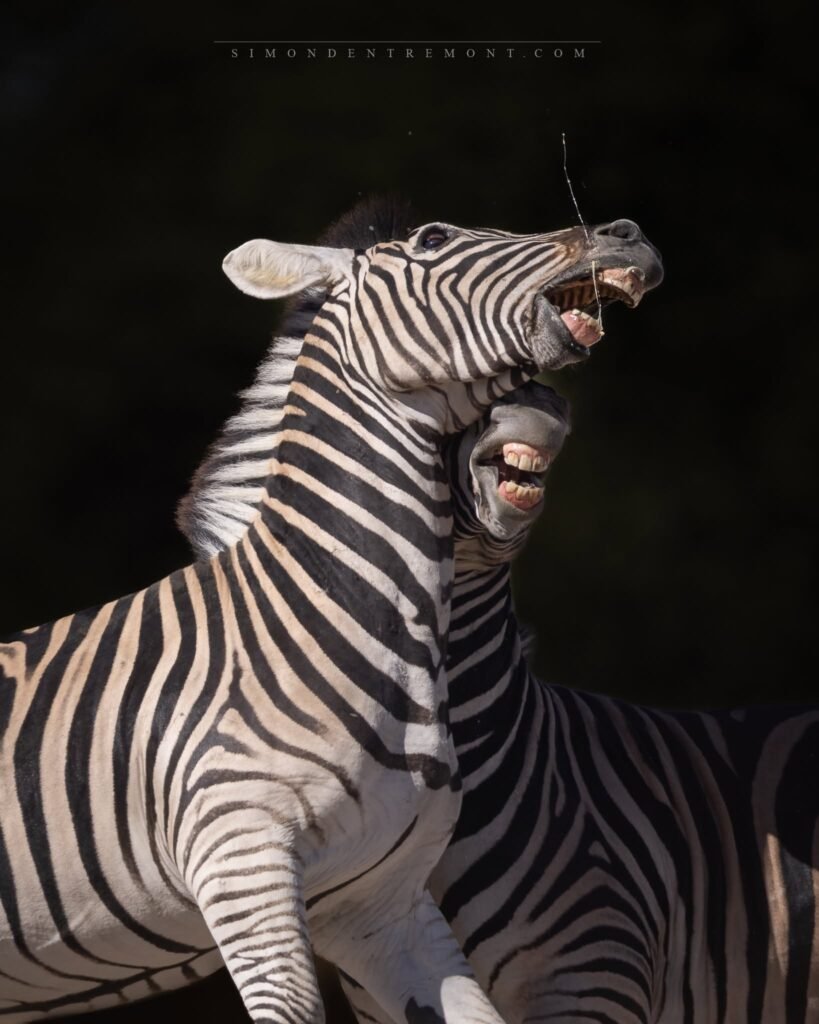
What makes Simon’s work particularly engaging is that his photographs are not simply records of animals.
They are stories.
A leopard on a branch can become a story about solitude.
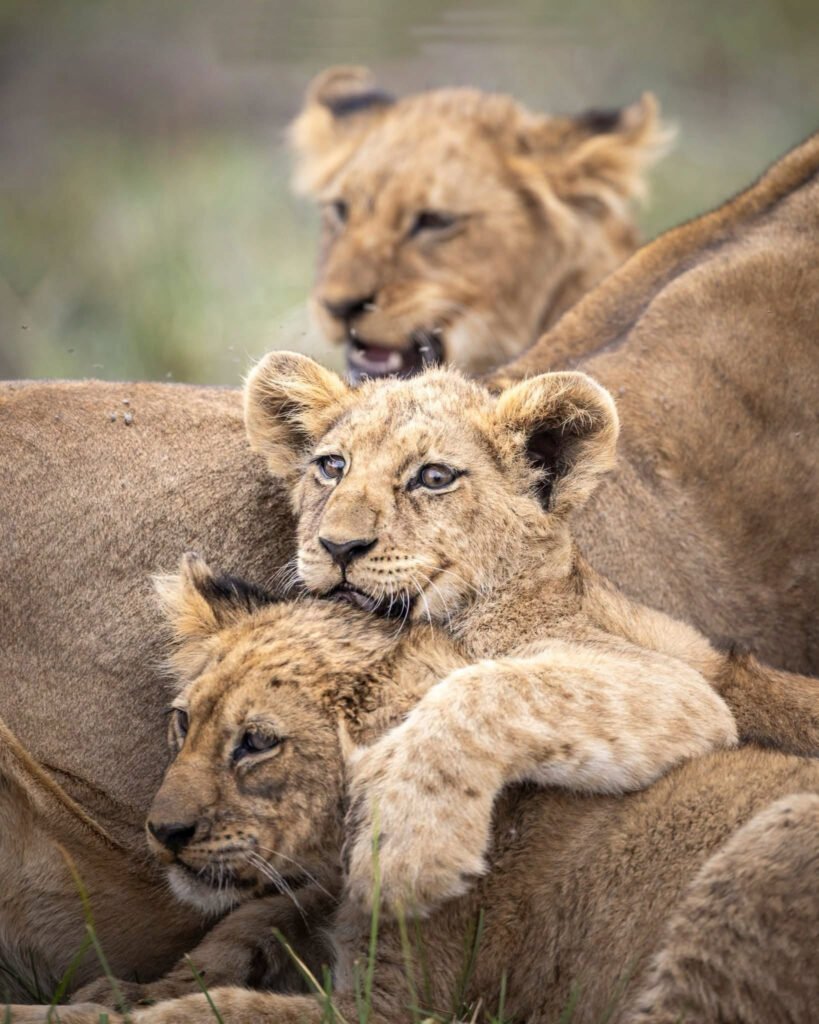
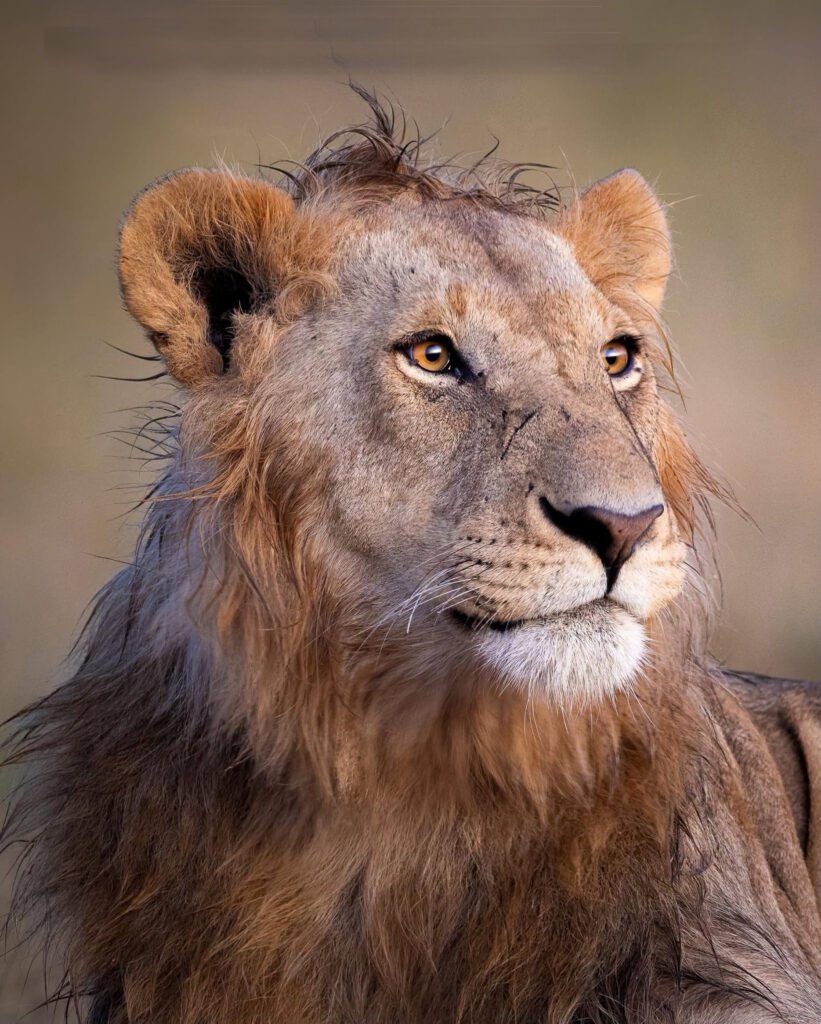
A pride of lions can become a story about family.
A cheetah running across the plains can become a story about speed, survival and opportunity.
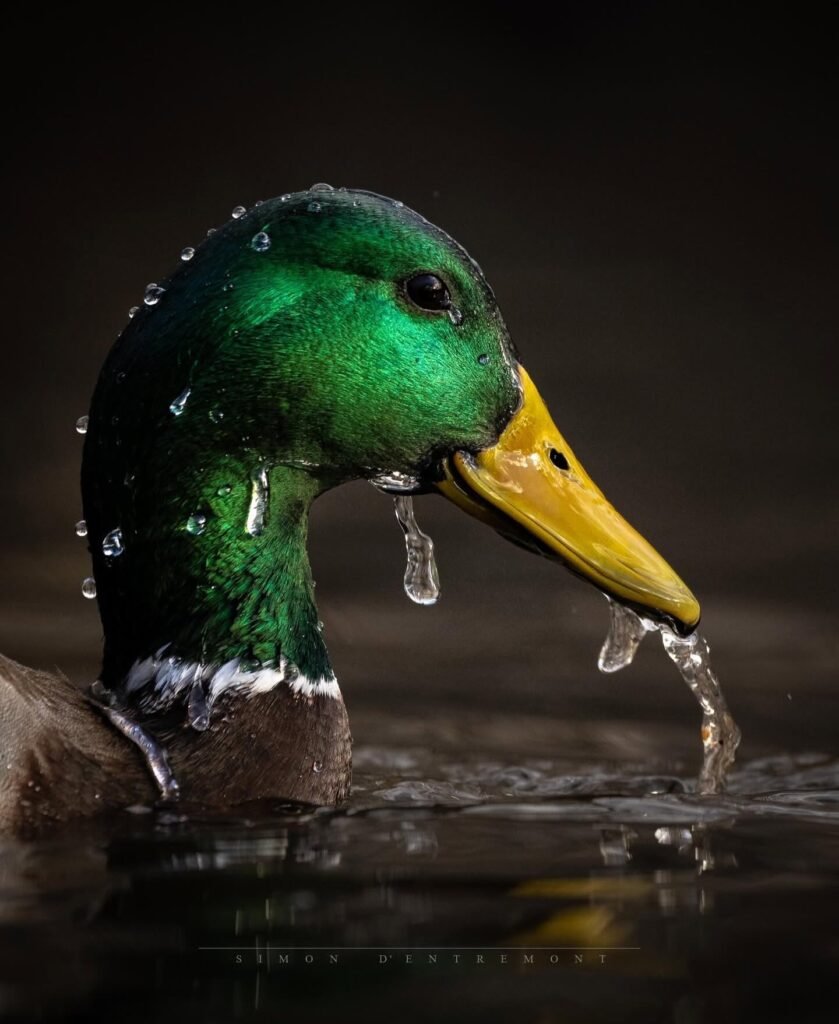
And a quiet bird photographed in the right light can become just as powerful as an encounter with a predator.
Simon himself describes photography as a way of connecting with the natural world and telling stories through images. (Simon d’Entremont Photography)
The Teacher Behind the Camera
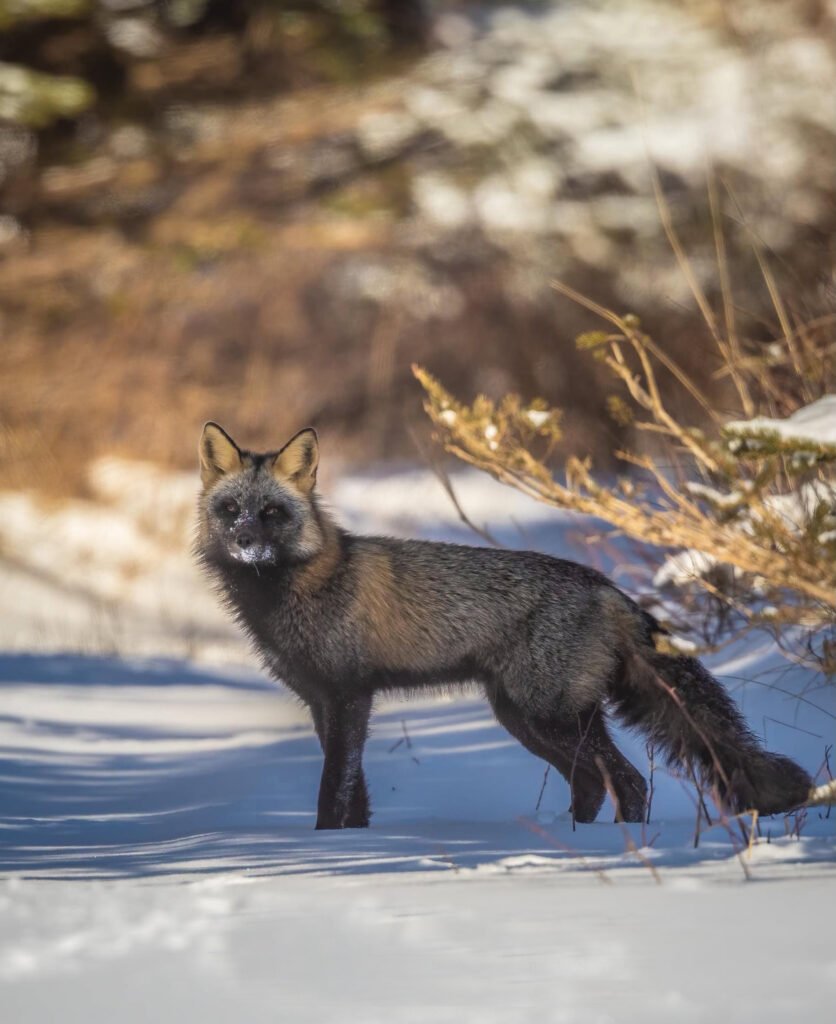
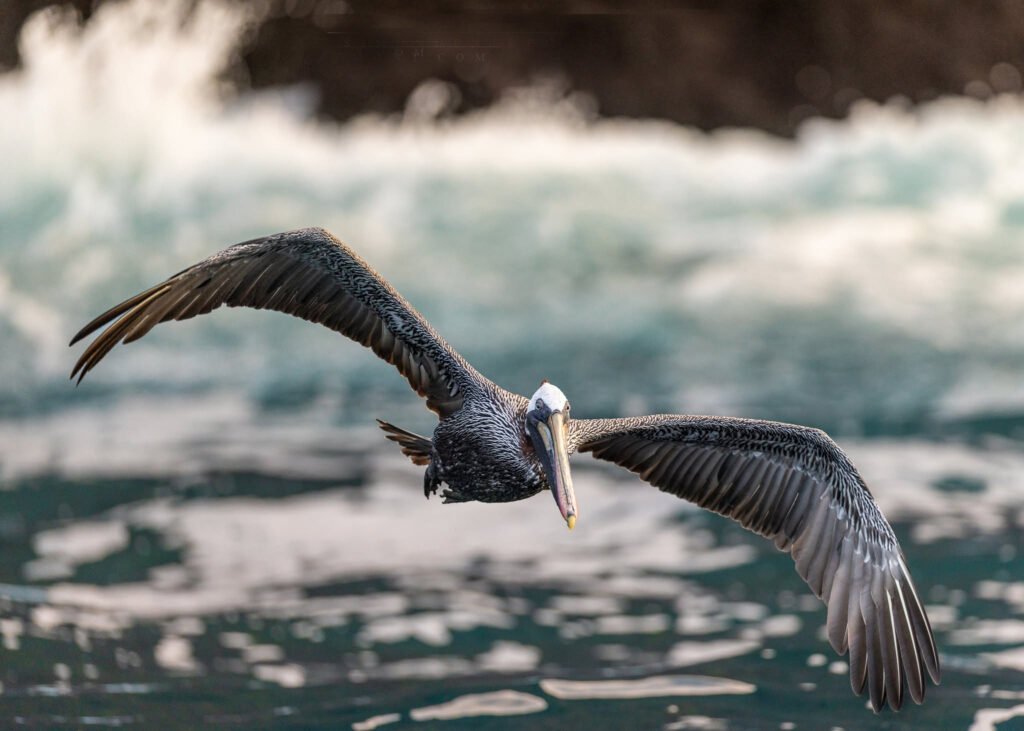
Simon’s growing influence extends beyond his own photographs. He has built a large audience around photography education, sharing practical advice on everything from camera settings and field techniques to composition and editing.
He also leads photography workshops designed for photographers at different skill levels, including African safaris where participants can learn while photographing wildlife in the field. (Simon d’Entremont Photography)
His approach is refreshingly accessible: photography does not have to begin with the most expensive equipment. It begins with learning to see.
And perhaps that is the most important lesson of a wildlife safari.
And Then Comes the “Kitty” Moment
Back in the vehicle, everyone is supposed to remain quiet.
The lions are close.
Cameras are ready.
The light is perfect.
Someone slowly raises their camera.
And then, inevitably:
“Here, kitty, kitty…”
The spell is broken.
Simon laughs.
The rule has been violated again.
But perhaps that is part of the charm of photographing wildlife. Behind every breathtaking image is a human being trying to remain patient, composed and completely silent while sitting metres away from an animal that can make even the most experienced photographer forget every rule in the book.
For Simon d’Entremont, the goal is not to make the wild behave.
It is to wait long enough for the wild to tell its own story.
And when that moment finally arrives, the best response is not “here, kitty, kitty.”
It is simply:
Click.